




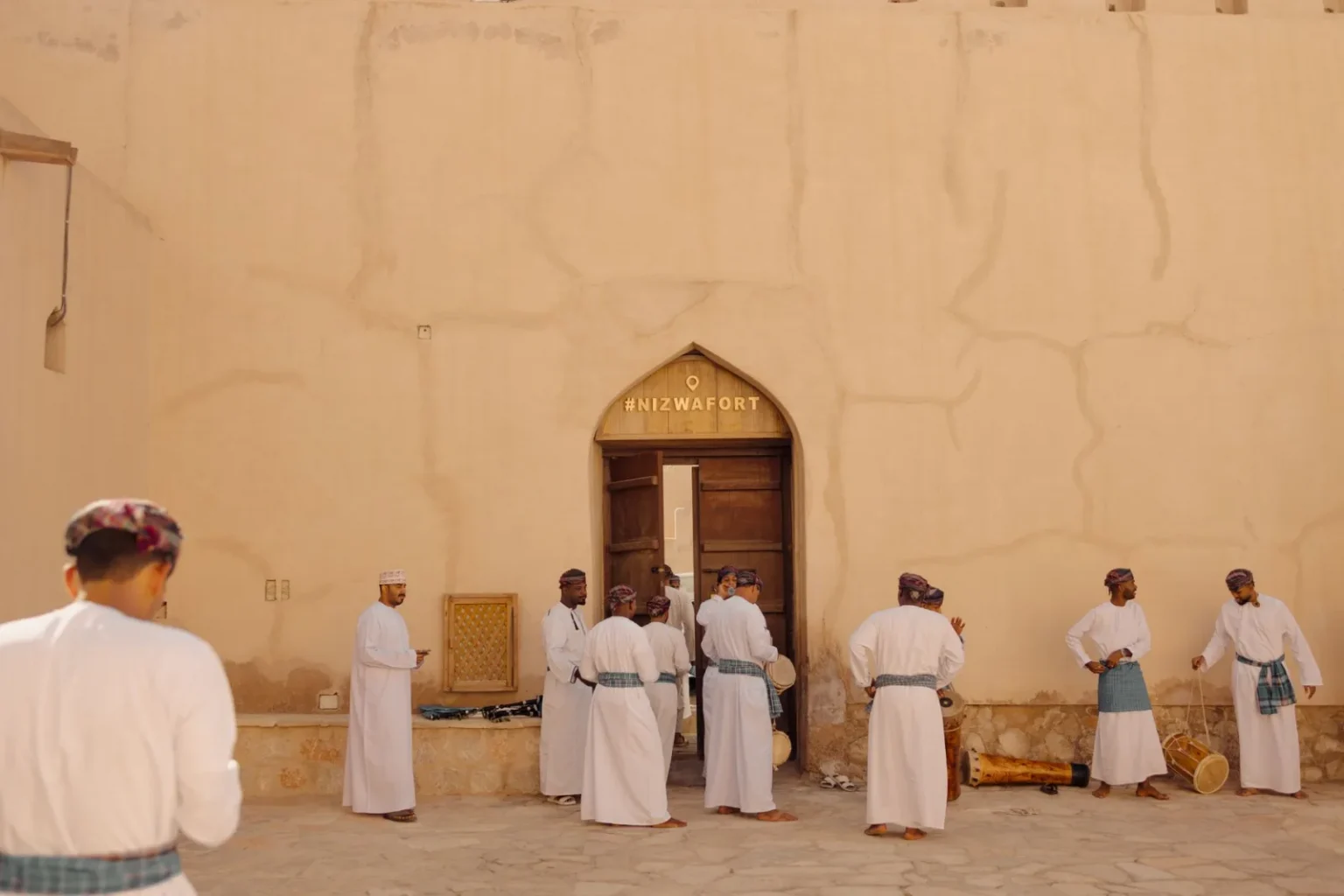

The Theatrical Landscape of the Arabian Peninsula
The Arabian Peninsula is often thought of in terms of its vast deserts and bustling cities, yet it also hosts a rich tapestry of theatrical traditions. Local performance arts here reflect the diverse cultures, languages, and histories of the region. Understanding these traditions requires a journey into the heart of each community, where storytelling, music, and drama intertwine to create unique forms of expression.
- The Theatrical Landscape of the Arabian Peninsula
- 1. The Importance of Storytelling in Arabian Culture
- 2. Traditional Forms of Performance Arts
- 3. Influences on Local Performance Arts
- 4. Modern Adaptations and Revivals
- 5. The Role of Festivals and Community Events
- 6. How to Explore These Hidden Gems
- 7. Challenges Facing Traditional Theatrical Traditions
- Conclusion: The Value of Exploring Theatrical Traditions
1. The Importance of Storytelling in Arabian Culture
Storytelling is a fundamental aspect of Arabian culture. It serves as a means of preserving history, morals, and cultural identity. Traditionally, oral storytelling was performed by skilled narrators at gatherings, utilizing rhythmic speech and dramatic pauses to engage their audience.
For example, the art of Al-Qassaad, or the traditional storyteller, is still celebrated in many parts of the peninsula. These storytellers often recount tales that highlight the virtues of bravery, honor, and hospitality—values deeply rooted in Arabian culture. Engaging with this art form offers insights into the societal norms and beliefs that have shaped the region.
2. Traditional Forms of Performance Arts
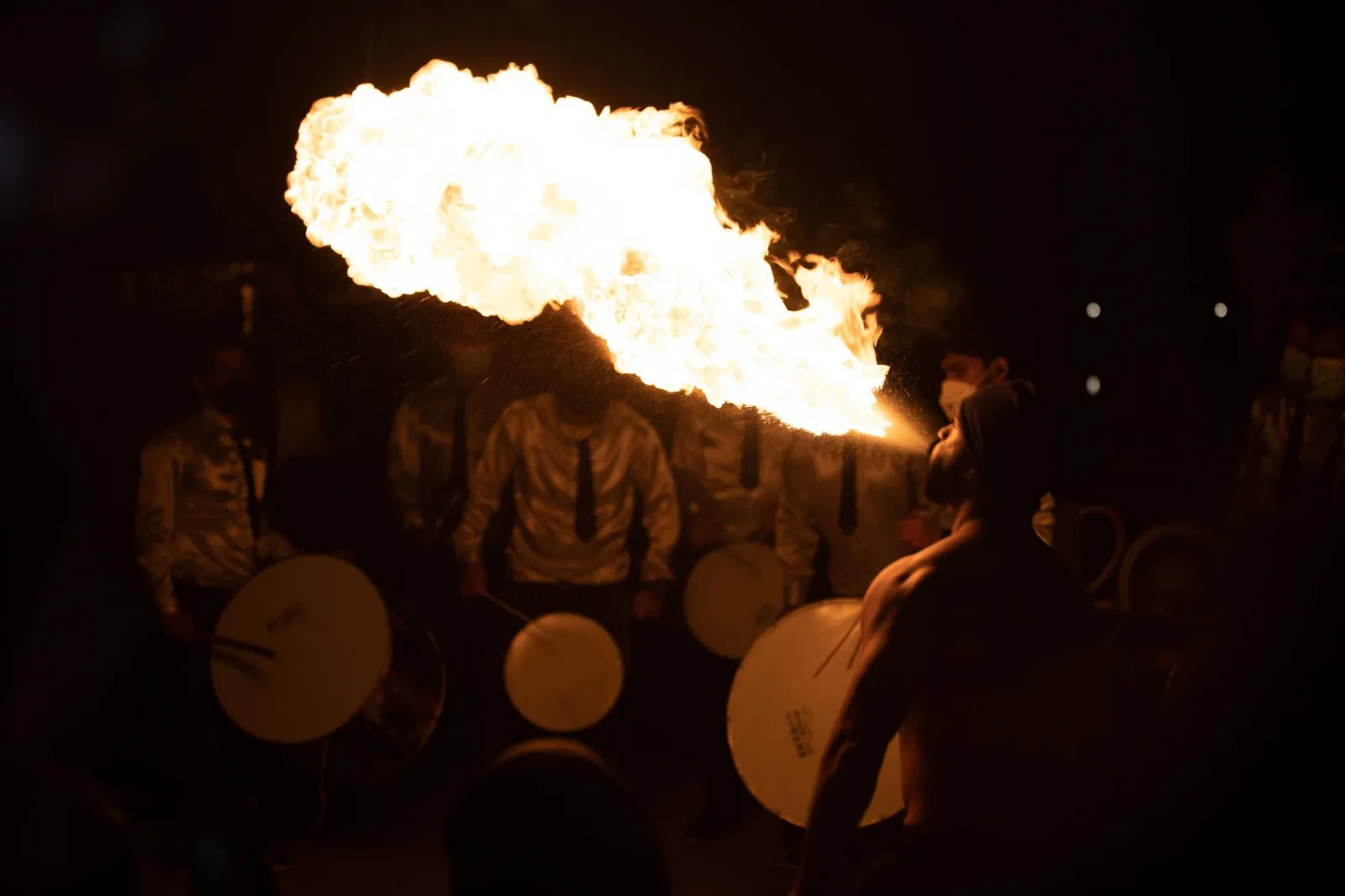
Several distinct forms of theatrical traditions exist across the Arabian Peninsula, each showcasing local customs and performances. Here are a few notable examples:
- Al-Hakawati: This form of storytelling often incorporates dramatic elements and is performed in cafés and public spaces. It is interactive, inviting audience participation.
- Shadow Play: Known as Khyal al-Zill, this traditional performance uses puppetry and shadow imagery to tell stories, often drawing from folklore.
- Musical Theater: In countries like Oman, musical theater combines traditional music with contemporary themes, reflecting societal changes while maintaining cultural roots.
3. Influences on Local Performance Arts
Various factors influence the theatrical traditions in the Arabian Peninsula. Geography, for instance, plays a critical role. Coastal areas often showcase maritime themes, while desert communities might focus on nomadic life. Additionally, historical trade routes have facilitated the exchange of ideas and artistic practices.
For example, the influence of Persian, Indian, and African cultures can be observed in the music and performance styles of the Gulf States. This blend of influences enriches the theatrical landscape, making it a vibrant space for creative expression.
4. Modern Adaptations and Revivals
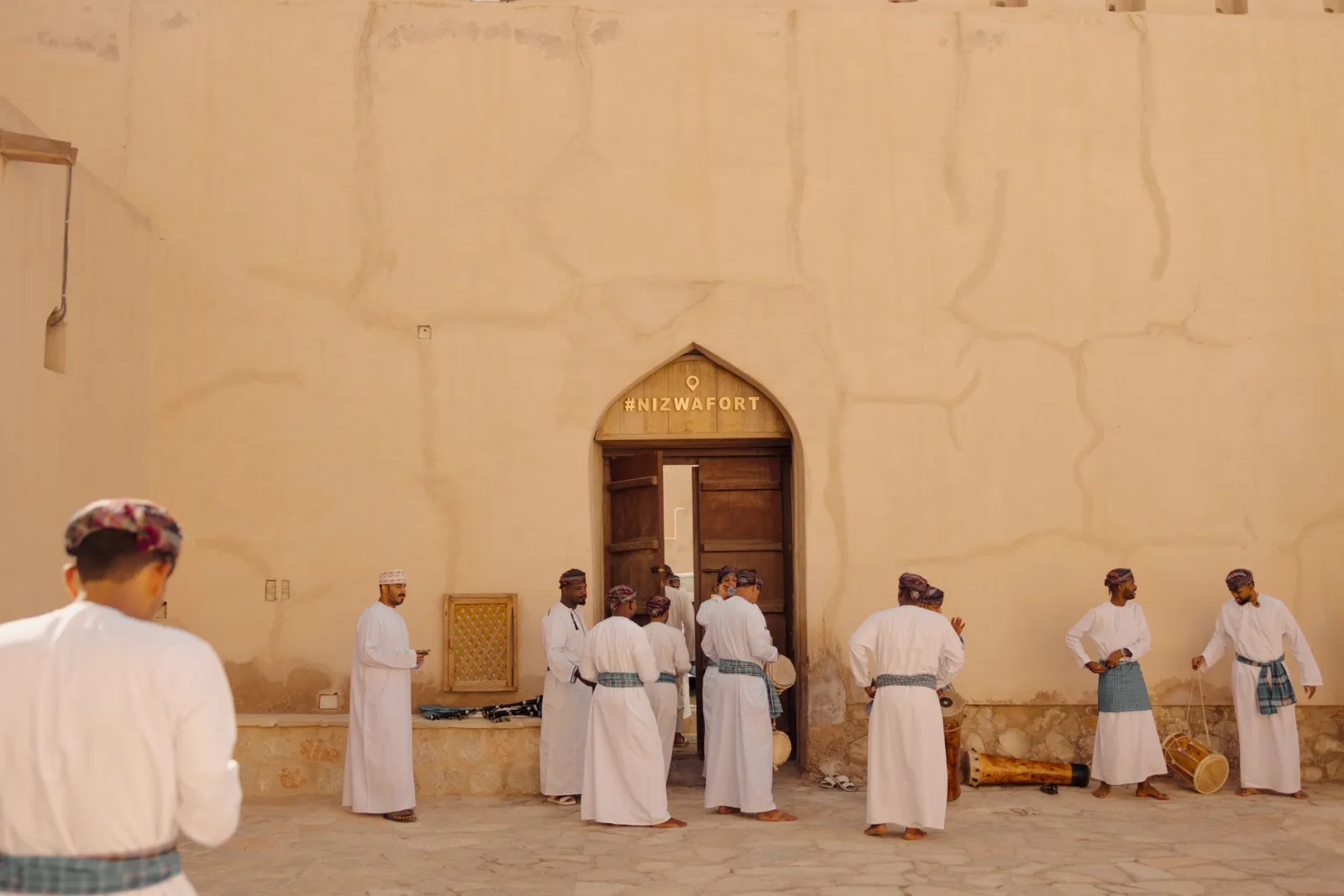
In recent years, there has been a revival of interest in traditional theatrical forms. Modern artists are reinterpreting these age-old practices, infusing them with contemporary themes and technologies. This resurgence is crucial for preserving cultural heritage while appealing to younger audiences.
One notable initiative is the Sharjah Theater Festival, which showcases both traditional and modern performances from across the region. Such festivals provide a platform for local artists to experiment and innovate while keeping their cultural narratives alive. You might consider attending these events to experience the dynamic interplay between tradition and modernity firsthand.
5. The Role of Festivals and Community Events
Festivals play a significant role in promoting local performance arts. They not only celebrate the arts but also foster community spirit. Events like the Jeddah Season and the Dubai Shopping Festival often feature theatrical performances that highlight regional talent.
Participating in these festivals is an excellent way to immerse yourself in the local culture. They often include workshops, discussions, and performances that allow you to engage with artists and learn about their creative processes.
6. How to Explore These Hidden Gems
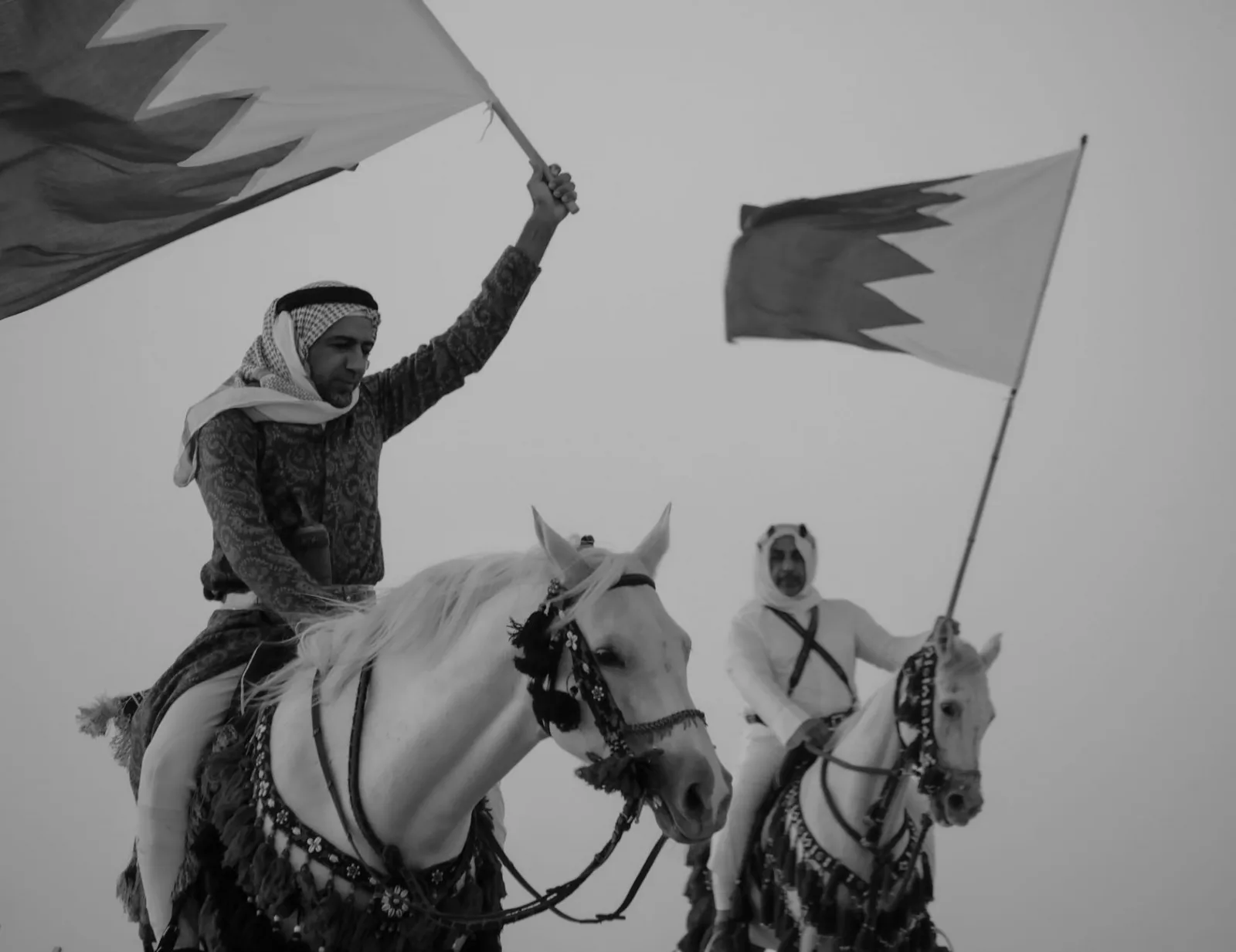
Exploring the hidden theatrical traditions of the Arabian Peninsula can be an enriching experience. Here are some practical steps to guide your journey:
- Research: Start by researching local theaters, cultural centers, and performance spaces in the areas you plan to visit.
- Attend Performances: Look for local listings and attend performances. Engaging with the community can deepen your understanding of the culture.
- Connect with Local Artists: Seek out workshops or artist talks. Many local artists are eager to share their craft and stories.
- Document Your Experiences: Keep a journal or blog about your experiences. This not only enriches your journey but also helps others discover these hidden gems.
7. Challenges Facing Traditional Theatrical Traditions
Despite their rich history, traditional theatrical forms face several challenges. Globalization and the rise of digital entertainment often overshadow local arts. Additionally, funding and support for the arts can be limited, making it difficult for artists to sustain their practices.
Important note: Engaging with the local community and supporting traditional arts can help counter these challenges. By attending performances and promoting local artists, you contribute to the preservation of these cultural expressions.
Conclusion: The Value of Exploring Theatrical Traditions
In summary, the hidden theatrical traditions of the Arabian Peninsula offer a unique window into the region’s rich cultural heritage. By exploring local performance arts, you not only gain insight into the histories and values of the communities but also help preserve these traditions for future generations. Remember, every performance tells a story, and every story is a thread in the vibrant tapestry of Arabian culture. As you embark on this journey, keep an open mind and a curious spirit, and you may discover the true essence of the Arabian Peninsula.