





Understanding the Hidden Culinary Landscapes
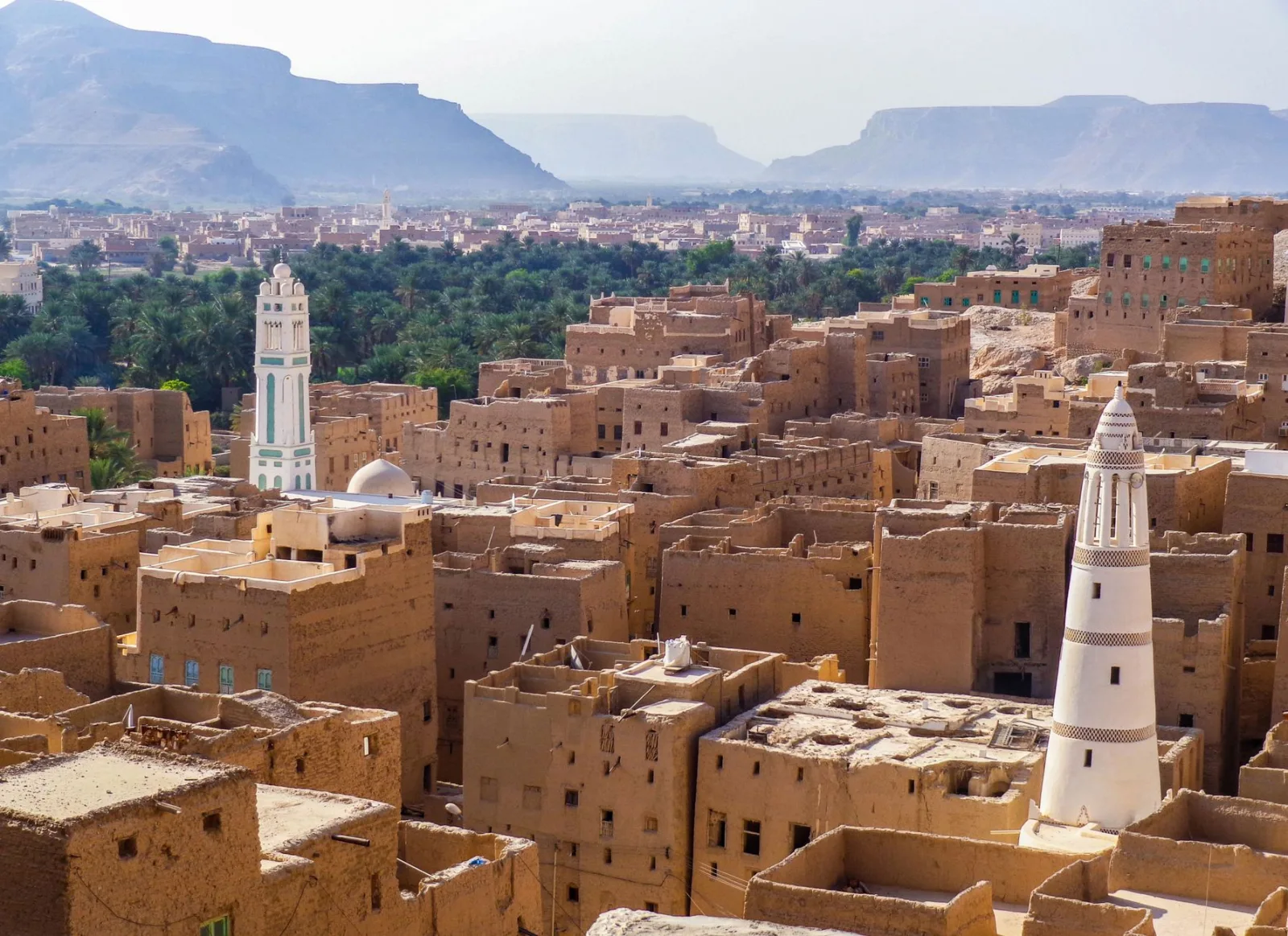
The Arabian Peninsula is often thought of as a land of vast deserts and modern cities. However, beneath its surface lies a rich tapestry of hidden culinary landscapes that reflect the region’s diverse cultures and traditions. These landscapes include local dishes that have been passed down through generations, often featuring secret recipes that are cherished by families. To uncover these culinary treasures, you must venture off the beaten path and embrace the local flavors and cooking methods that make this region unique.
- Understanding the Hidden Culinary Landscapes
- Step 1: Explore the Regional Diversity
- Step 2: Seek Out Local Eateries
- Step 3: Engage with the Community
- Step 4: Discover Secret Recipes
- Step 5: Explore Influences from Trade Routes
- Step 6: Document Your Culinary Journey
- Step 7: Share Your Discoveries
- Conclusion: Key Takeaways
Step 1: Explore the Regional Diversity
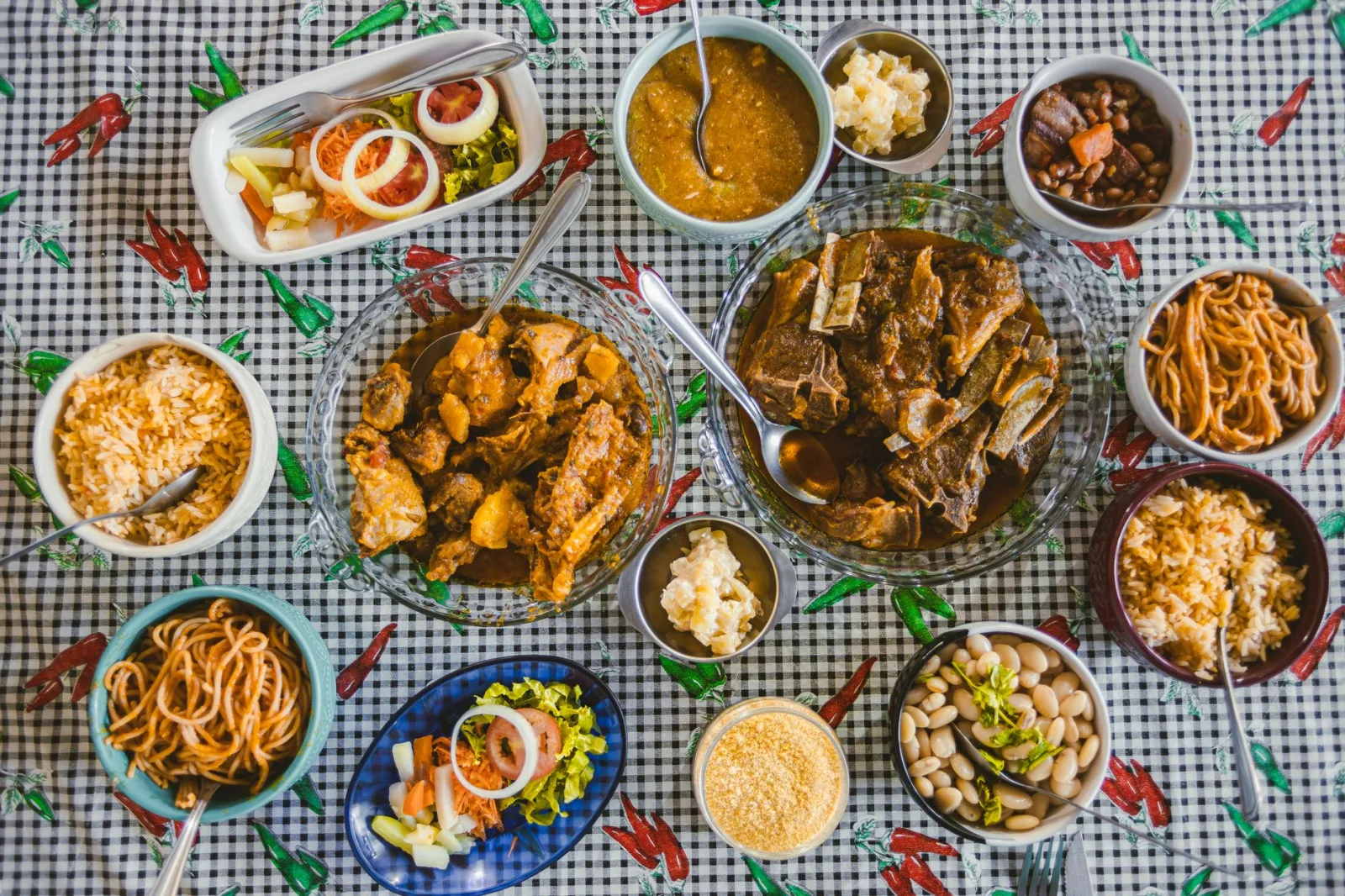
The first step in discovering the hidden culinary landscapes is to understand the regional diversity within the Arabian Peninsula. Each country offers unique flavors and dishes influenced by geography, history, and cultural interactions. For instance, Saudi Arabia boasts dishes like Kabsa, a spiced rice dish served with meat, while Oman has its own version called Majboos. In the UAE, you might find Harees, a traditional wheat and meat dish. By exploring these regional specialties, you can appreciate the culinary identity of each area.
Step 2: Seek Out Local Eateries
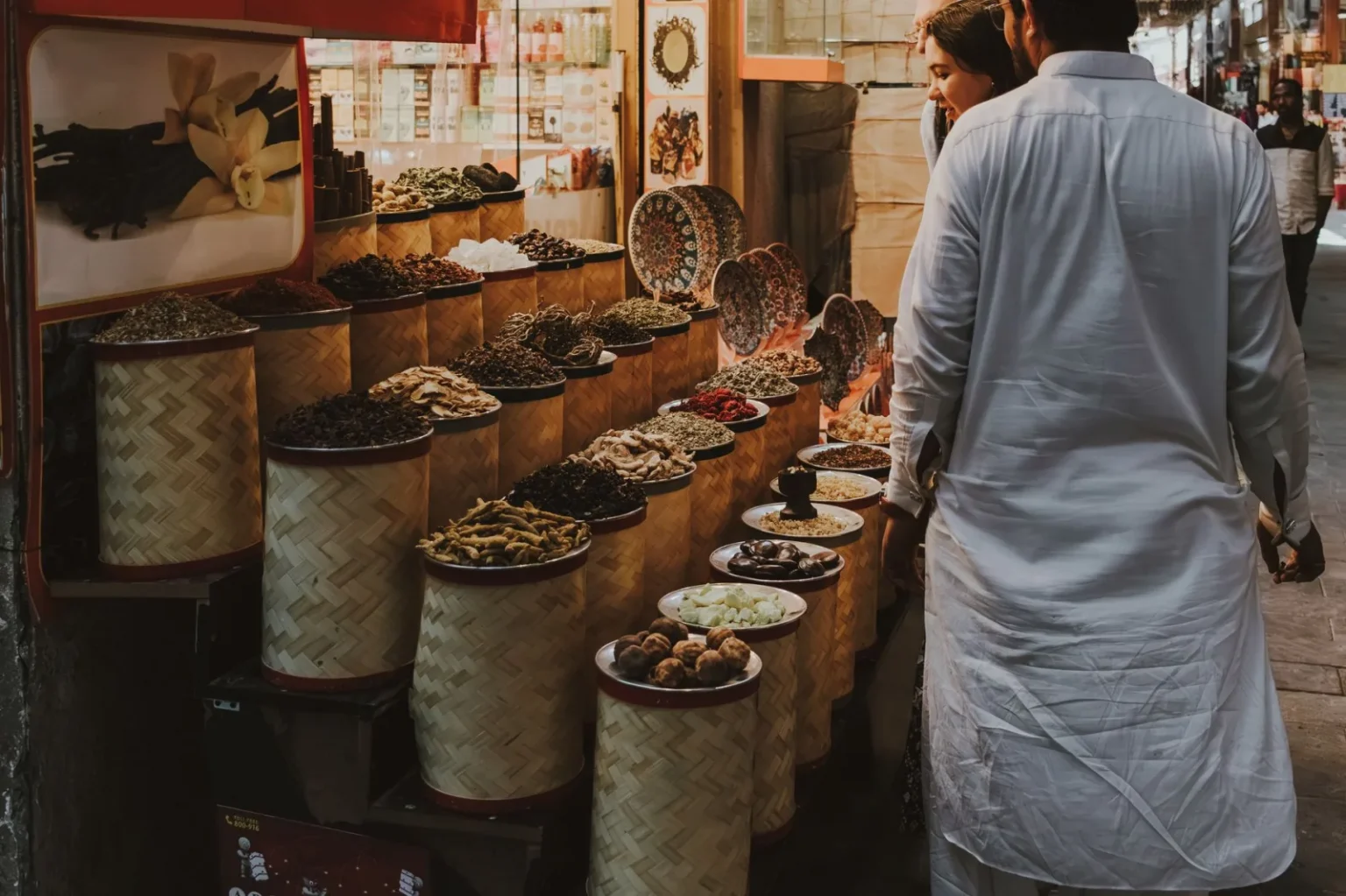
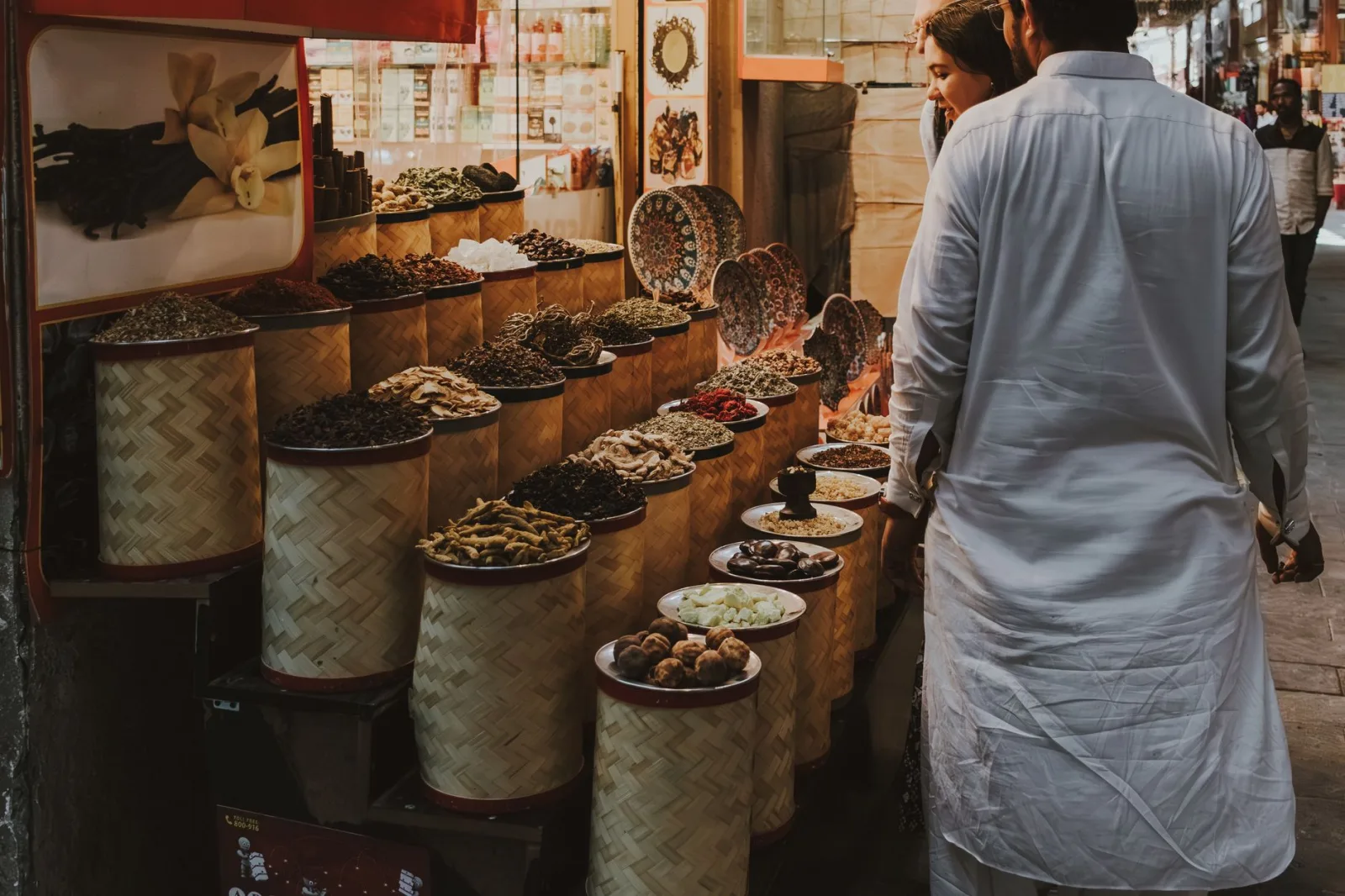
Once you have an understanding of the regional cuisines, the next step is to seek out local eateries and markets. These places often serve authentic dishes that you won’t find in tourist-heavy restaurants. Visit local souks (markets) where vendors sell traditional dishes, spices, and ingredients. For example, in Muscat, the Mutrah Souq is not only a shopping destination but also a place to taste local delicacies such as Shuwa, marinated lamb wrapped in palm leaves and slow-cooked in an underground sand oven. Important note: When dining at local eateries, don’t hesitate to ask the staff about the origins of the dishes; many will gladly share their stories.
Step 3: Engage with the Community
Engaging with the community is crucial in uncovering hidden culinary landscapes. Attend local festivals, food fairs, or cooking classes where you can interact with local chefs and home cooks. These events provide insight into traditional cooking methods and often reveal secret recipes. For example, participating in a cooking class in Bahrain can teach you how to prepare traditional dishes like Machboos, allowing you to recreate the experience at home. Pro tip: Look for smaller, community-run events as they often showcase more authentic culinary practices.
Step 4: Discover Secret Recipes
Many families in the Arabian Peninsula guard their secret recipes closely. You may find that certain dishes are made only during special occasions, such as weddings or religious celebrations. To discover these recipes, you might need to build relationships with locals. Consider offering to help with food preparation during a family gathering, which can lead to learning unique cooking techniques and ingredients. Additionally, don’t hesitate to inquire about specific recipes; many locals take pride in sharing their culinary heritage when approached respectfully.
Step 5: Explore Influences from Trade Routes
The Arabian Peninsula’s culinary landscape has been shaped significantly by ancient trade routes that facilitated cultural exchanges. These routes brought spices, ingredients, and cooking techniques from Asia, Africa, and Europe. For instance, the use of saffron and cardamom in local dishes reflects these historical influences. Exploring the hidden historical trade routes of the Arabian Peninsula can provide context to the flavors you encounter. Understanding this aspect of culinary history enhances your appreciation for the diverse dishes you will try.
Step 6: Document Your Culinary Journey
As you explore the hidden culinary landscapes, documenting your experiences can enrich your journey. Keep a food journal detailing the dishes you’ve tried, the places you’ve visited, and the people you’ve met. This practice not only helps you remember your experiences but also allows you to reflect on the connections between food and culture. Additionally, consider taking photographs of local dishes and markets, as these visuals can help share your discoveries with others. Warning: Always ask for permission before photographing food or people in local settings to show respect for privacy.
Step 7: Share Your Discoveries
Finally, sharing your culinary discoveries can help promote awareness of the hidden culinary landscapes of the Arabian Peninsula. Write about your experiences on social media or food blogs, and consider sharing your newfound recipes with friends and family. By doing so, you contribute to the preservation of local culinary traditions and encourage others to explore off-the-beaten-path dining experiences. Remember, every dish has a story, and sharing these stories can inspire a deeper appreciation for the diverse flavors of the region.
Conclusion: Key Takeaways
Exploring the hidden culinary landscapes of the Arabian Peninsula is an enriching experience that combines culture, history, and flavors. By understanding the regional diversity, seeking out local eateries, engaging with the community, uncovering secret recipes, and documenting your journey, you can fully appreciate the culinary gems this region has to offer. Each meal is not just a taste of food; it is a connection to the heart of its people and their traditions. As you embark on this culinary adventure, remember to savor every moment and share your discoveries with others, fostering a greater appreciation for the rich culinary heritage of the Arabian Peninsula.