





Understanding Stargazing and Its Importance
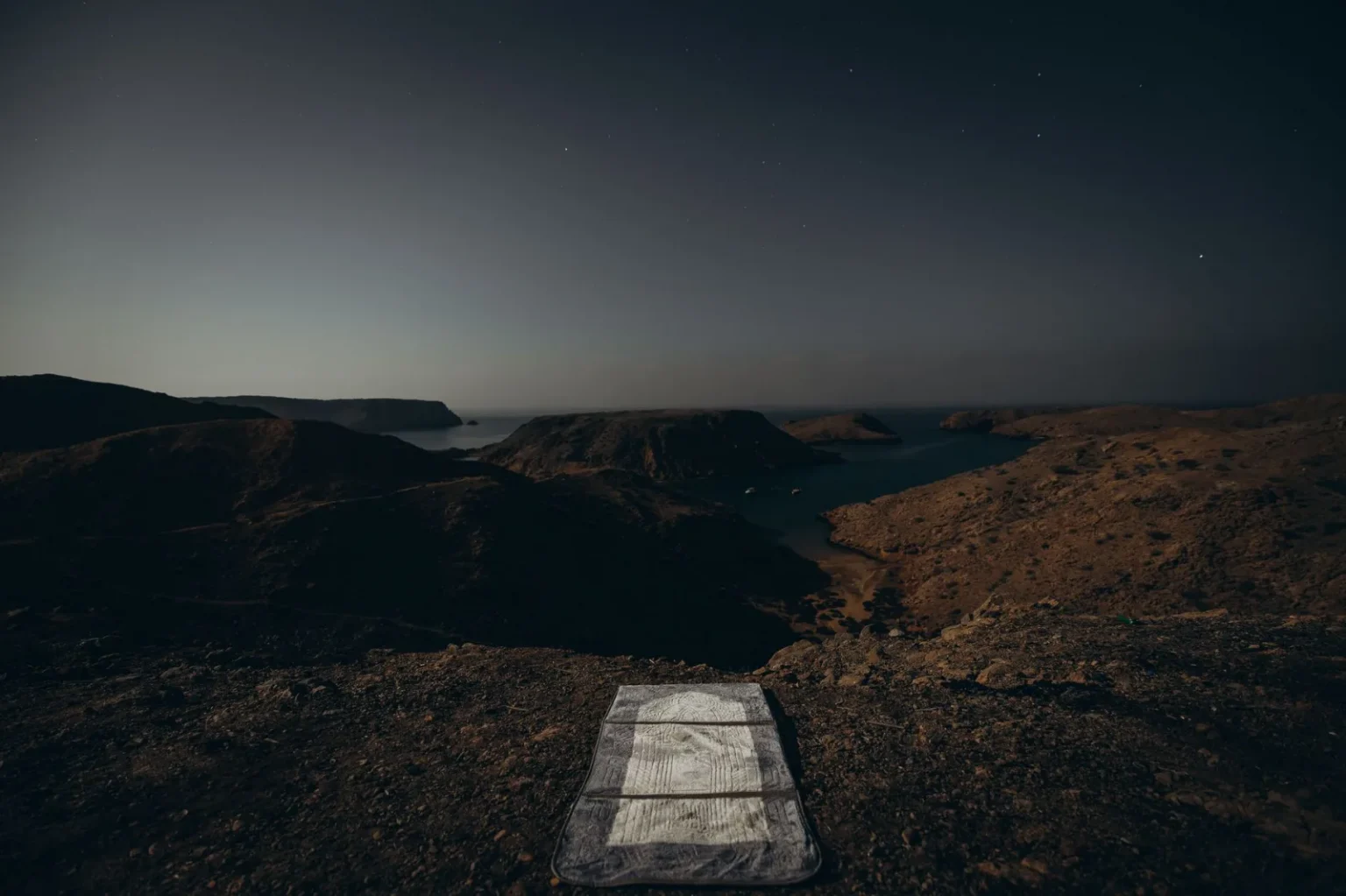
Stargazing is more than just looking up at the night sky; it’s an experience that connects you with the universe. Observing celestial bodies can inspire awe and curiosity, leading to a deeper appreciation for our place in the cosmos. This guide will help you find some of the Arabian Peninsula‘s hidden stargazing spots, where you can escape the light pollution of urban areas and enjoy the beauty of the night sky.
Why Choose the Arabian Peninsula?
The Arabian Peninsula, with its vast deserts and remote locations, offers unique opportunities for stargazing. Its low population density means fewer artificial lights, making it ideal for observing stars, planets, and constellations. Moreover, the varied terrain—from mountains to deserts—provides diverse backdrops for your stargazing adventures.
Key Considerations for Stargazing
Before you embark on your stargazing journey, here are a few important tips to consider:
- Check the Weather: Clear skies are essential for stargazing. Use weather apps to find the best nights.
- Choose the Right Time: The best time to stargaze is during the new moon phase when the sky is darkest.
- Bring the Right Gear: A good pair of binoculars or a telescope can enhance your experience, but even the naked eye can reveal wonders.
- Find a Quiet Spot: Look for areas away from city lights, such as remote deserts or high-altitude locations.
Top Hidden Stargazing Spots in the Arabian Peninsula
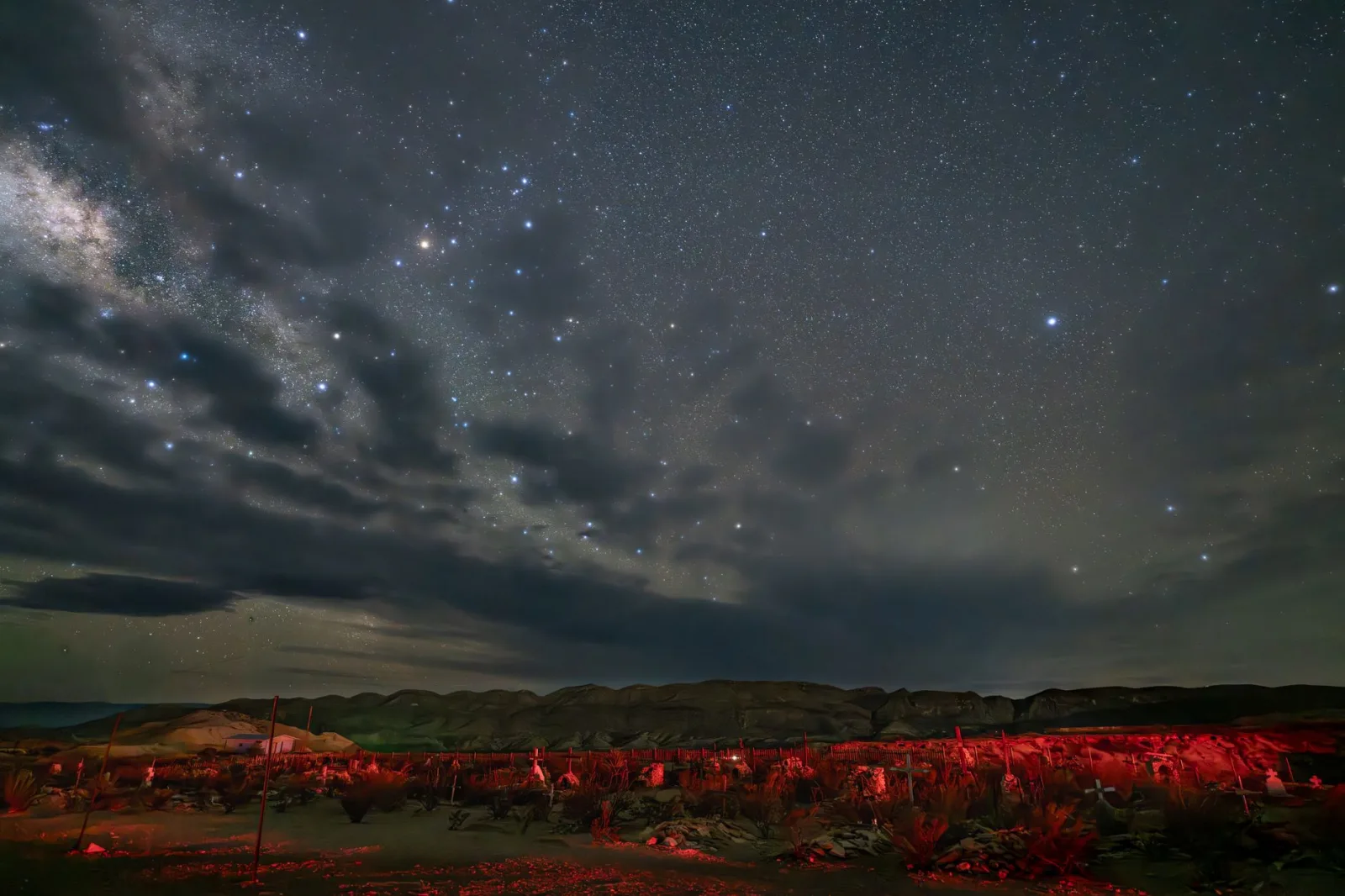
Now that you know the basics, let’s explore some lesser-known stargazing spots across the Arabian Peninsula.
1. Al Ula, Saudi Arabia
Al Ula is famous for its stunning rock formations and archaeological sites, but it also offers incredible stargazing opportunities. The area’s low light pollution allows for clear views of the Milky Way. To enhance your experience, consider booking a guided stargazing tour that includes telescopes and expert guidance on celestial navigation.
2. Jebel Shams, Oman
Known as the ‘Grand Canyon of Oman,’ Jebel Shams is not only a breathtaking landscape during the day but also a fantastic stargazing location at night. The high elevation provides a clear view of the sky, and you can often spot planets and shooting stars. Be sure to bring warm clothing, as temperatures can drop significantly at night.
3. Empty Quarter (Rub’ al Khali), Saudi Arabia
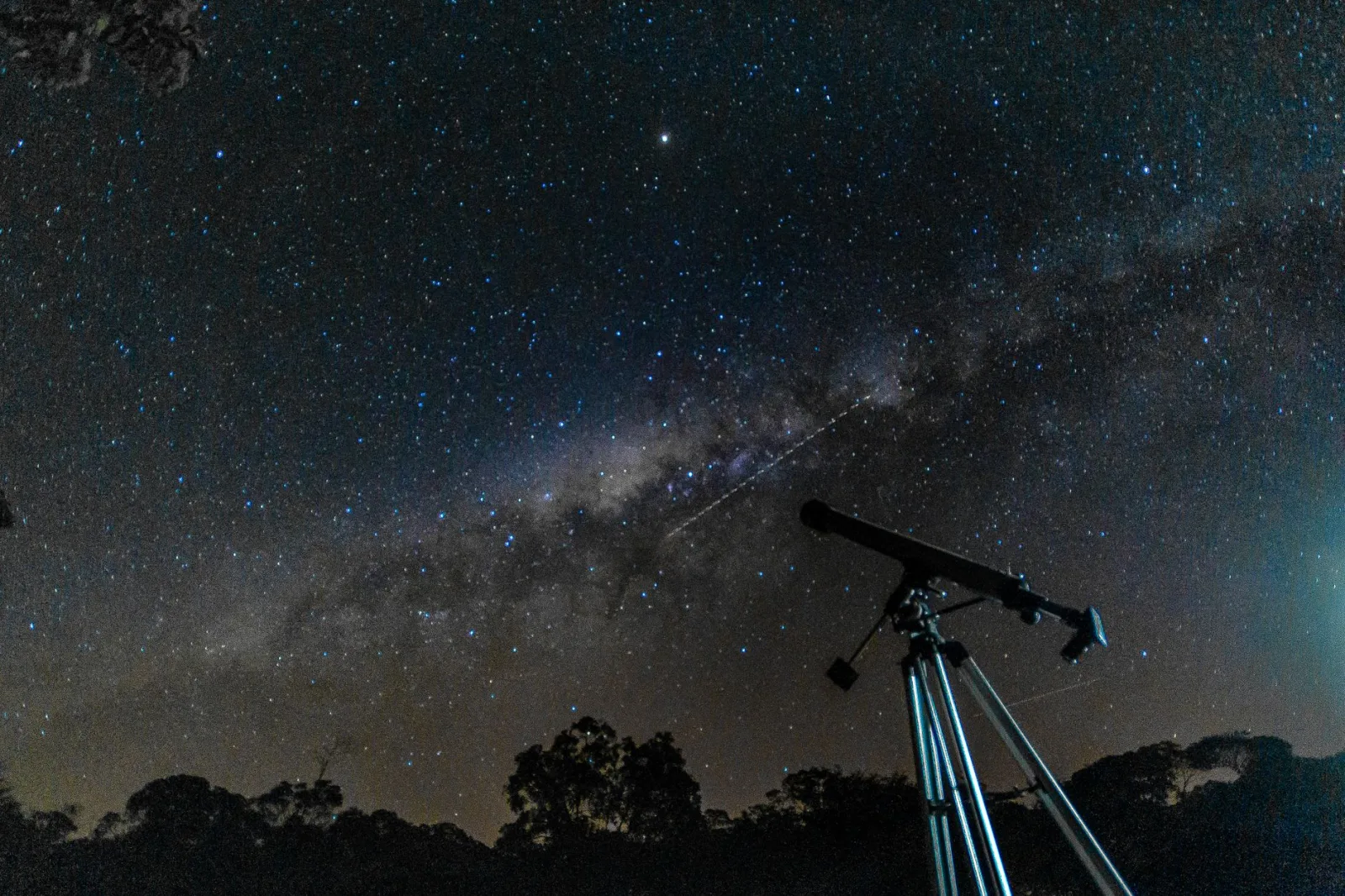
The Empty Quarter is one of the largest sand deserts in the world. Its isolation makes it a stargazer’s paradise. Here, you can lay back on the warm sand and gaze at the stars without any distractions. Just ensure you bring ample supplies, including water and food, as it’s a remote area with no facilities.
4. Al Ain Oasis, UAE
While Al Ain is known for its lush greenery and historical significance, its surrounding areas offer quiet spots for stargazing. The Al Ain Oasis, particularly at night, provides a serene environment where you can enjoy the stars. It’s advisable to visit during the cooler months for a more comfortable experience.
5. Musandam Peninsula, Oman
This stunning peninsula features dramatic cliffs and fjords but also provides excellent opportunities for stargazing. The lack of artificial lighting in many areas allows for breathtaking views of the night sky. Consider joining a camping group to make the most of your night under the stars.
Preparation and Safety Tips
As you prepare for your stargazing adventure, keep these safety tips in mind:
- Travel in Groups: Whenever possible, stargaze with friends or family for safety and shared enjoyment.
- Inform Someone: Let someone know your plans, especially if you’re heading to a remote area.
- Be Aware of Wildlife: In some locations, wildlife may be present. Always be cautious and respectful of their habitat.
- Leave No Trace: Remember to clean up after yourself to preserve the beauty of these hidden gems.
Enhancing Your Stargazing Experience
To deepen your celestial experience, consider the following:
- Use Stargazing Apps: Apps like Star Walk or SkyView can help identify stars and constellations.
- Join Local Astronomy Clubs: These groups often host events and can provide valuable insights into stargazing.
- Bring a Journal: Document your observations to track what you see and reflect on your experiences.
Conclusion: Embrace the Night Sky
Stargazing in the hidden spots of the Arabian Peninsula offers a unique way to connect with nature and appreciate the universe’s wonders. By choosing locations with minimal light pollution and following essential preparation tips, you can enjoy a fulfilling experience under a blanket of stars. Remember that every stargazing session can vary; be patient and allow the beauty of the night sky to unfold. So grab your gear, gather your friends, and embark on a celestial adventure in the Arabian Peninsula!
Key Takeaways: The Arabian Peninsula is home to several hidden stargazing spots. Key considerations include checking the weather, choosing the right time, and finding a quiet place. Popular locations include Al Ula, Jebel Shams, and the Empty Quarter. Remember to prioritize safety and enhance your experience with technology and community.