





Unearthing Forgotten Recipes
The culinary landscape of the Arabian Peninsula is rich with flavors that often go unnoticed. Many traditional dishes have faded into obscurity, overshadowed by more popular regional cuisines. To appreciate the hidden culinary heritage, you must first explore these forgotten recipes. For example, dishes like mujadara (a lentil and rice dish) and fattah (layered bread and meat) reflect the resourcefulness of local communities.
Understanding Local Flavors
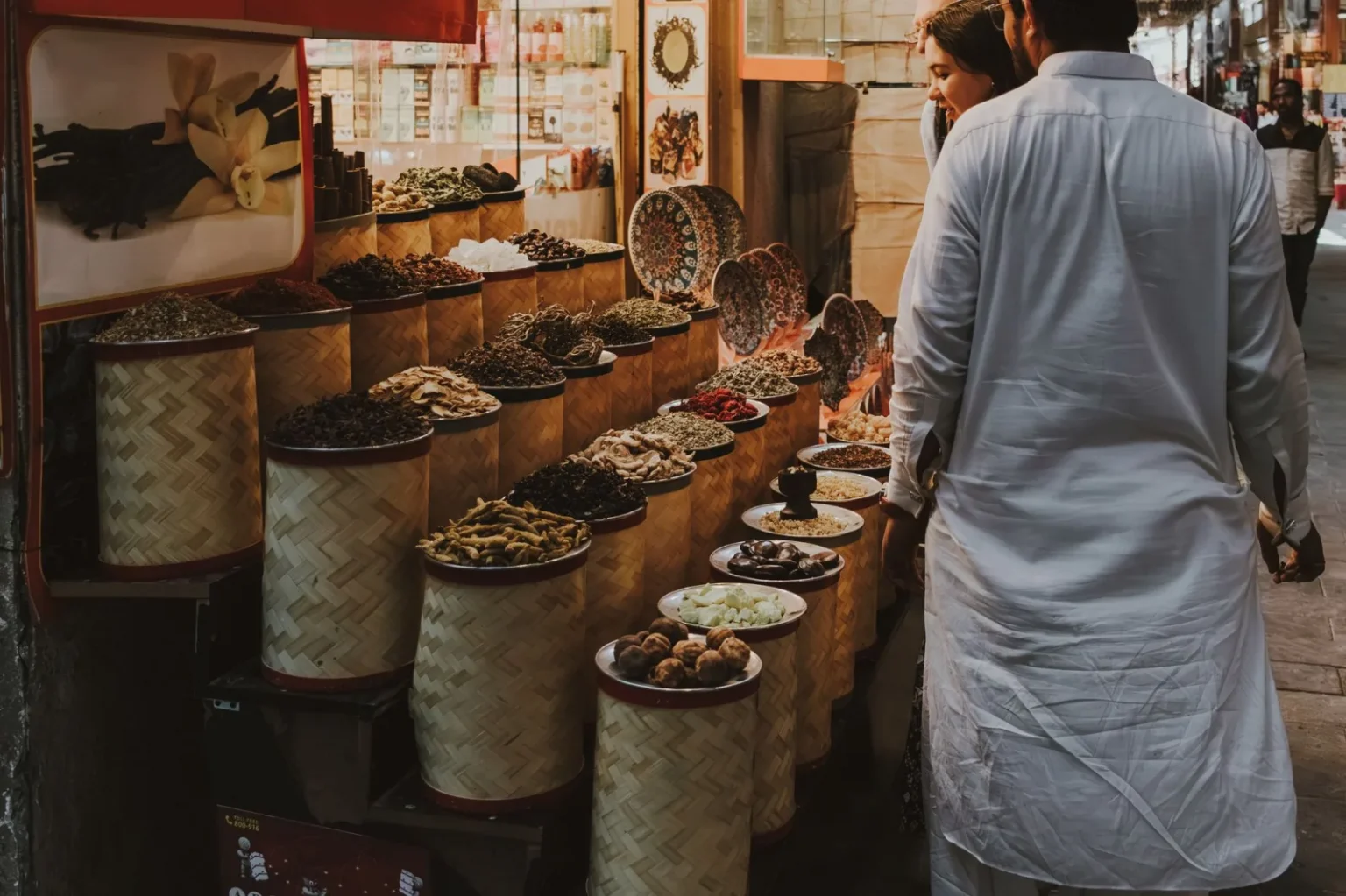
Local flavors play a crucial role in understanding the culinary heritage of the Arabian Peninsula. Ingredients such as sumac, za’atar, and dates are staples that add depth to many traditional dishes. Each ingredient often carries a story of its own, rooted in the geography and history of the region. For instance, the use of spices in Yemeni cuisine, such as berbere and hawaij, showcases a blend of influences from trade routes that passed through the area.

Preserving Culinary Traditions
Preservation of culinary traditions is vital to maintaining a connection to the past. Local communities employ various methods to keep these recipes alive, including oral traditions passed down through generations. Engaging with local cooks and participating in cooking workshops can be an excellent way for you to learn these forgotten recipes. Pro tip: Look for community festivals that celebrate traditional foods, as they often feature authentic recipes and preparation techniques.
Exploring Lesser-Known Dishes
Many lesser-known dishes are worth exploring beyond the more famous offerings. For example, kabsa, a spiced rice dish, varies significantly from region to region. In Oman, you might encounter shuwa, a celebratory dish of marinated lamb slow-cooked in an underground sand oven. By trying these dishes, you gain insight into local customs and flavors. Important note: Be open to trying new things; the hidden culinary heritage is often found in the most unexpected places.
Cooking Techniques Unique to the Region
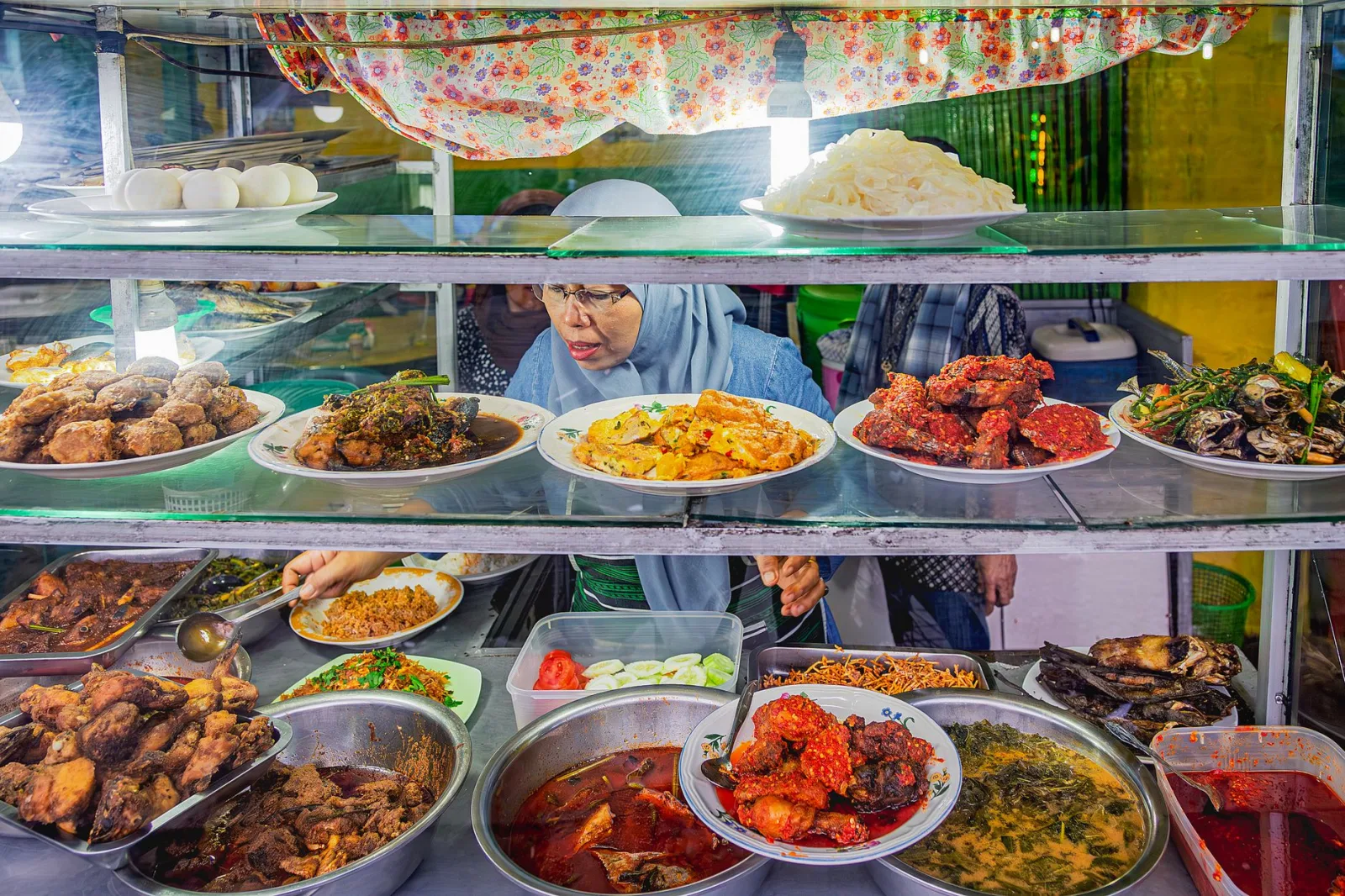
Cooking techniques also contribute to the hidden culinary heritage of the Arabian Peninsula. Traditional methods such as tandoor cooking and slow-roasting meats enhance the flavors and textures of the dishes. For example, the mashakik, or skewered meat, is often marinated for hours before being grilled over an open flame, allowing the spices to penetrate deeply. Understanding these techniques helps you appreciate the craftsmanship involved in creating these traditional dishes.
Regional Variations and Their Stories
The Arabian Peninsula is home to diverse cultures, each influencing the local cuisine. Exploring regional variations can reveal fascinating stories. For instance, the Qatari dish machboos, a spiced rice dish similar to biryani, tells the story of maritime trade and the fusion of flavors from various cultures. You can appreciate the culinary diversity by exploring these variations and understanding their historical context.
Tips for Discovering Hidden Culinary Gems
To discover the hidden culinary gems of the Arabian Peninsula, follow these steps:
- Engage with locals: Speak to residents to learn about their favorite traditional dishes.
- Visit local markets: Markets are great places to find fresh ingredients and traditional recipes.
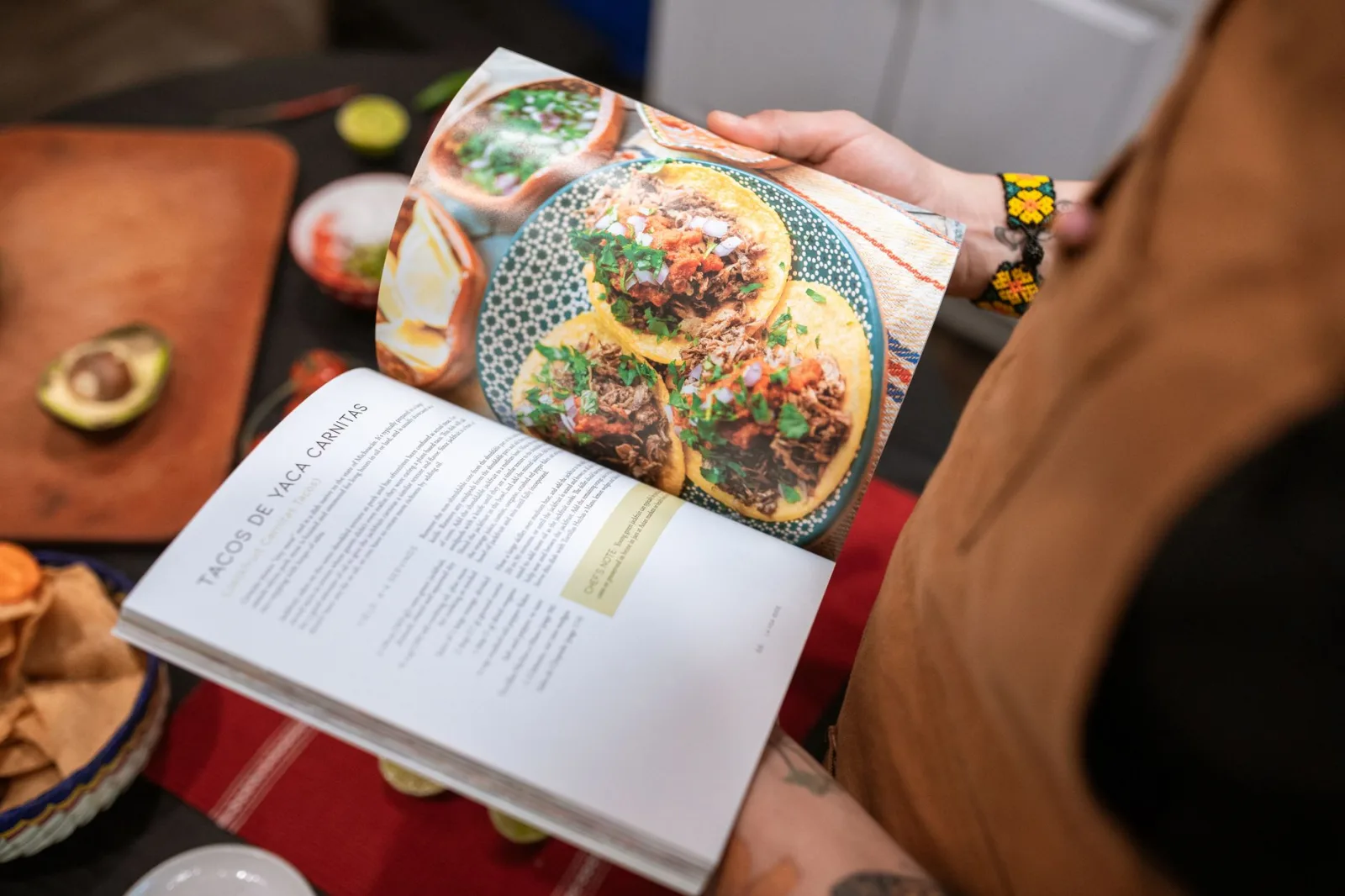
- Join cooking classes: Hands-on experience can deepen your understanding of local culinary techniques.
- Document your journey: Keep a food journal to record dishes you try and the stories behind them.
Warning: Not all restaurants may offer authentic experiences. Look for family-run establishments or those recommended by locals for the best culinary journey.
Conclusion: Embracing the Rich Tapestry of Arabian Cuisine
The hidden culinary heritage of the Arabian Peninsula is a treasure trove of flavors and stories waiting to be explored. By engaging with local communities, trying forgotten recipes, and understanding the techniques and regional variations, you can embrace the rich tapestry of Arabian cuisine. The next time you find yourself in the region, take the opportunity to uncover the hidden gems that tell the story of its culinary heritage. Remember, each dish is not just food; it’s a connection to history, culture, and the people who have cherished these flavors for generations.