





Understanding Eco-Communities
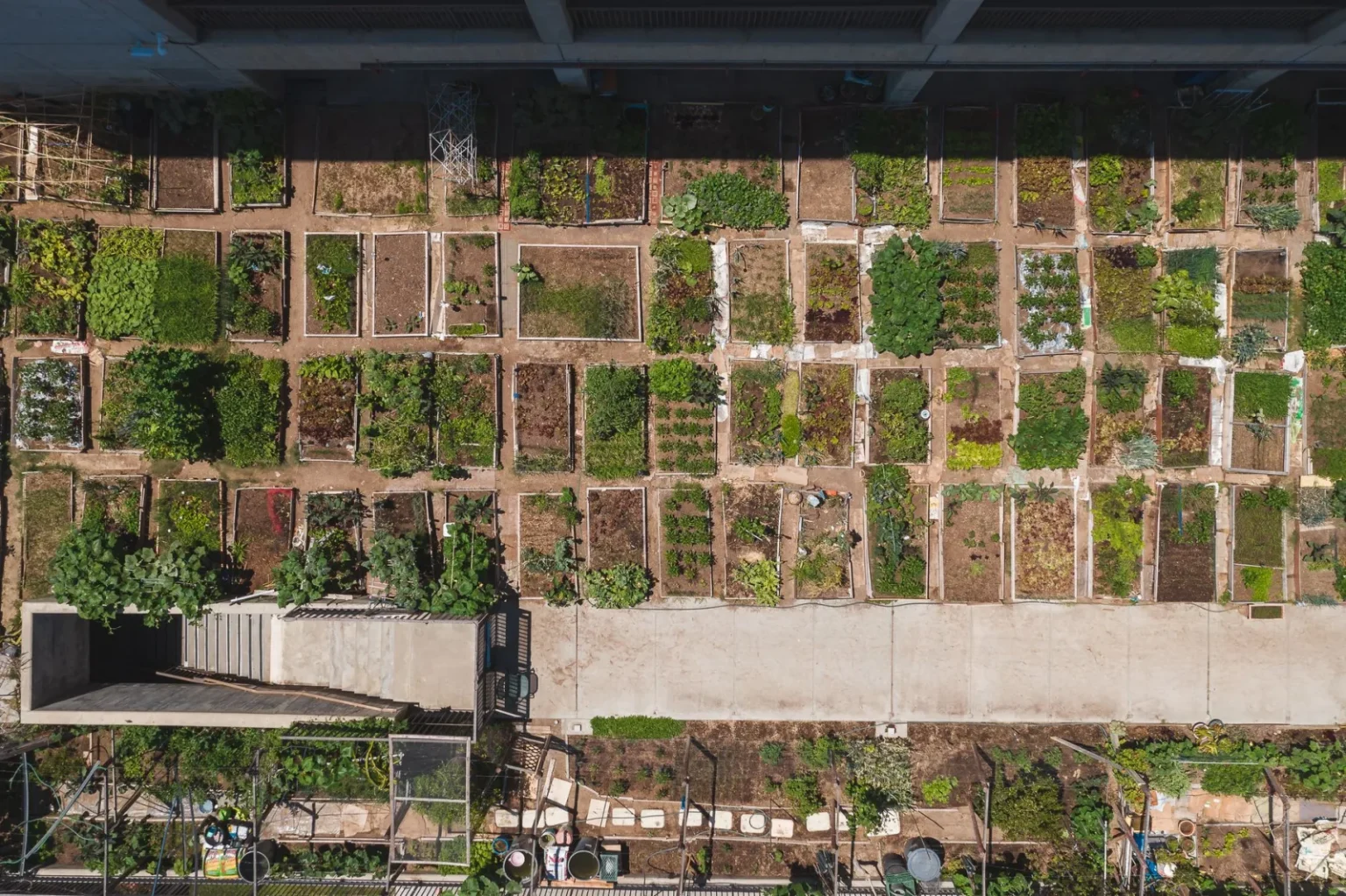
Eco-communities are living spaces where sustainability and environmental consciousness come together to form a lifestyle that minimizes ecological impact. These communities often prioritize local resources, renewable energy, and waste reduction, creating environments that foster both ecological balance and cultural preservation. You might wonder how these principles manifest in the context of the Arabian Peninsula, a region often associated with vast deserts and urban landscapes.
- Understanding Eco-Communities
- The Arabian Peninsula: A Unique Landscape
- Key Principles of Sustainable Living in Eco-Communities
- Notable Eco-Communities in the Arabian Peninsula
- Steps to Engage with Eco-Communities
- Challenges Facing Eco-Communities
- Incorporating Cultural Preservation in Eco-Communities
- Conclusion: Embracing the Future of Sustainable Living
- Key Takeaways
The Arabian Peninsula: A Unique Landscape
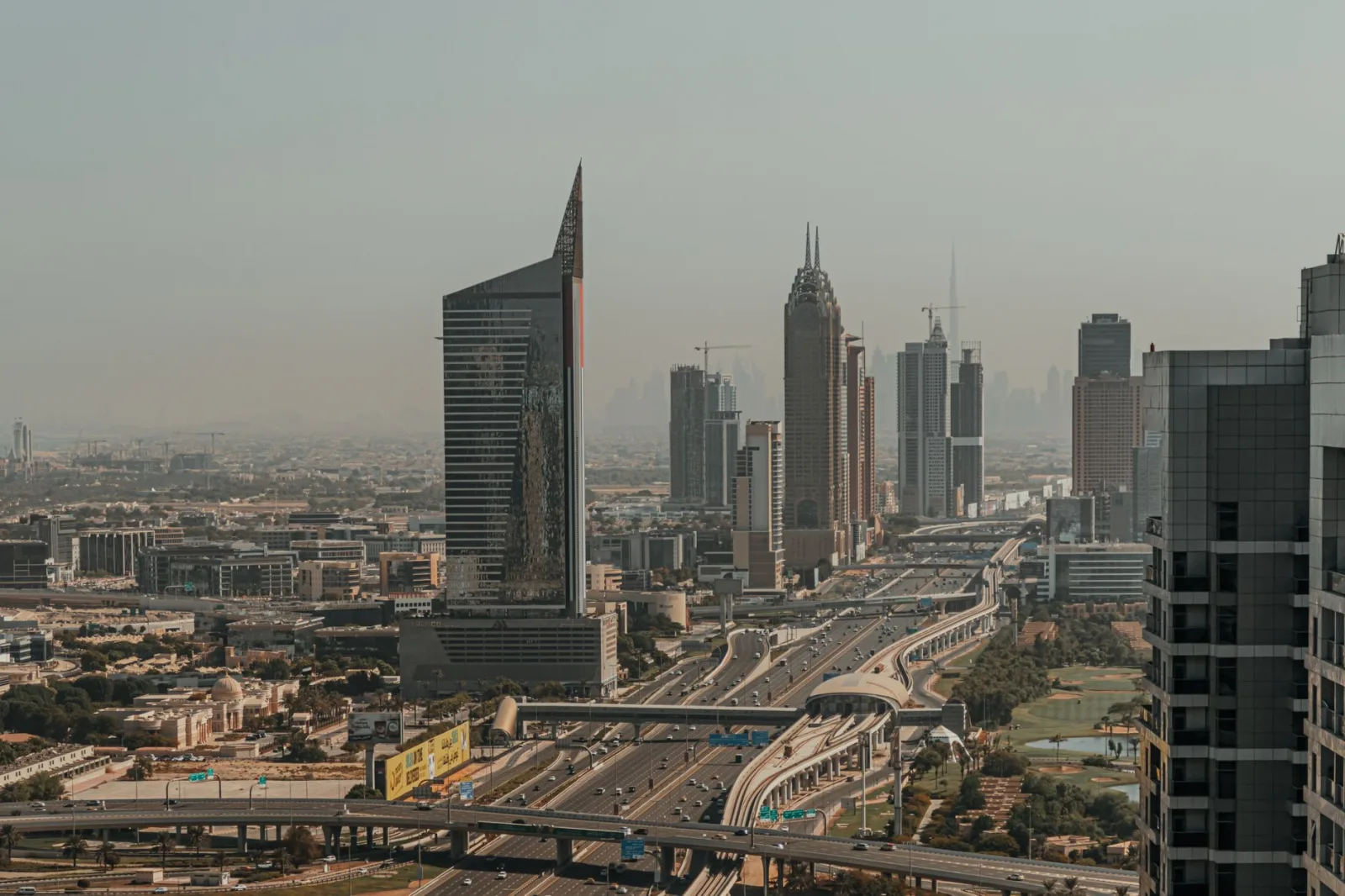
The Arabian Peninsula consists of several countries, including Saudi Arabia, the UAE, Oman, Kuwait, Qatar, Bahrain, and Yemen. Each of these nations has distinct cultural backgrounds and environmental challenges. While the region is known for its rapid urbanization and economic growth, there are pockets of eco-communities striving to balance modern living with sustainable practices. For example, Oman’s eco-communities are often embedded in the country’s rich historical and cultural tapestry, promoting local traditions while embracing sustainability.
Key Principles of Sustainable Living in Eco-Communities
Sustainable living in eco-communities typically revolves around a few core principles:
- Resource Efficiency: This involves using resources such as water and energy judiciously. In the Arabian Peninsula, where water scarcity is a significant issue, eco-communities often implement rainwater harvesting systems and use solar energy for daily needs.
- Local Sourcing: Eco-communities focus on utilizing local materials and produce. This not only reduces carbon footprints but also supports local economies. For instance, traditional building materials like mud bricks are used in some communities to maintain cultural authenticity.
- Waste Reduction: Many eco-communities adopt practices such as composting and recycling to minimize waste. This is particularly important in urban areas where waste management can be a challenge.
Notable Eco-Communities in the Arabian Peninsula
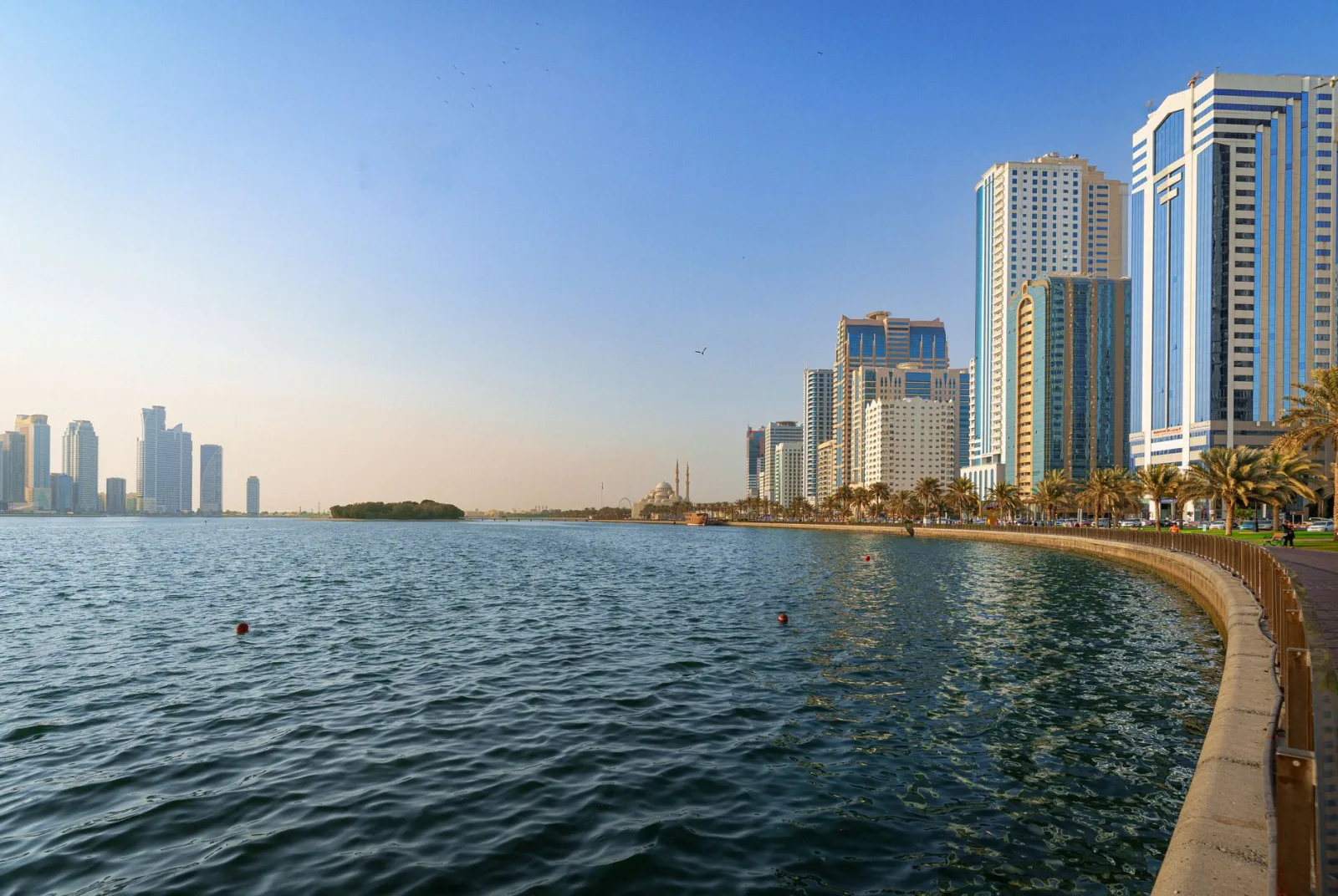
Several eco-communities across the Arabian Peninsula exemplify sustainable living. Here are a few notable examples:
1. Eco-Dome in Saudi Arabia
Located on the outskirts of Riyadh, the Eco-Dome is a sustainable living project that focuses on renewable energy and organic farming. Residents utilize solar panels and wind turbines, significantly reducing their reliance on fossil fuels. The community also promotes organic gardening, educating residents on the importance of sustainable agriculture.
2. Masdar City in the UAE
Masdar City, near Abu Dhabi, is often cited as a model for sustainable urban living. Designed to be a zero-carbon city, it incorporates solar energy, electric public transport, and green architecture. Additionally, the city is home to a variety of cultural initiatives aimed at preserving local heritage while promoting sustainability.
3. Al Ayn Eco-Village in Oman
Al Ayn Eco-Village combines modern sustainable practices with traditional Omani architecture. The village utilizes adobe construction techniques and features community gardens that encourage local agriculture. Additionally, residents engage in cultural activities that celebrate Omani heritage and history, making it a unique blend of eco-living and cultural preservation.
Steps to Engage with Eco-Communities
If you’re interested in experiencing the lifestyle of these eco-communities, here are some steps you can take:
- Research: Start by learning about various eco-communities in the Arabian Peninsula. Websites, travel blogs, and documentaries can provide insights into their specific practices and lifestyles.
- Visit: If possible, plan a visit to one of these communities. Many offer tours or workshops where you can engage with residents and learn about their way of life.
- Participate: Some eco-communities allow visitors to contribute through volunteer programs. This could involve helping with farming, conservation projects, or educational initiatives.
Challenges Facing Eco-Communities
Despite the positive impact of eco-communities, they face several challenges:
- Resource Limitations: Water scarcity and harsh climates can hinder the sustainability of these communities. Innovative solutions like desalination and water recycling are being explored, but these technologies require significant investment.
- Economic Viability: Many eco-communities struggle financially, as their eco-friendly products or services may not compete with cheaper, conventional alternatives. This often necessitates government support or funding from NGOs.
- Cultural Resistance: In some areas, traditional lifestyles and modernity clash, leading to resistance against sustainable practices. Education and awareness are crucial in bridging this gap.
Incorporating Cultural Preservation in Eco-Communities
One of the most significant aspects of eco-communities in the Arabian Peninsula is their commitment to cultural preservation. Here’s how they achieve this:
- Community Engagement: Residents are often involved in decision-making processes, allowing them to integrate their cultural values into sustainability initiatives.
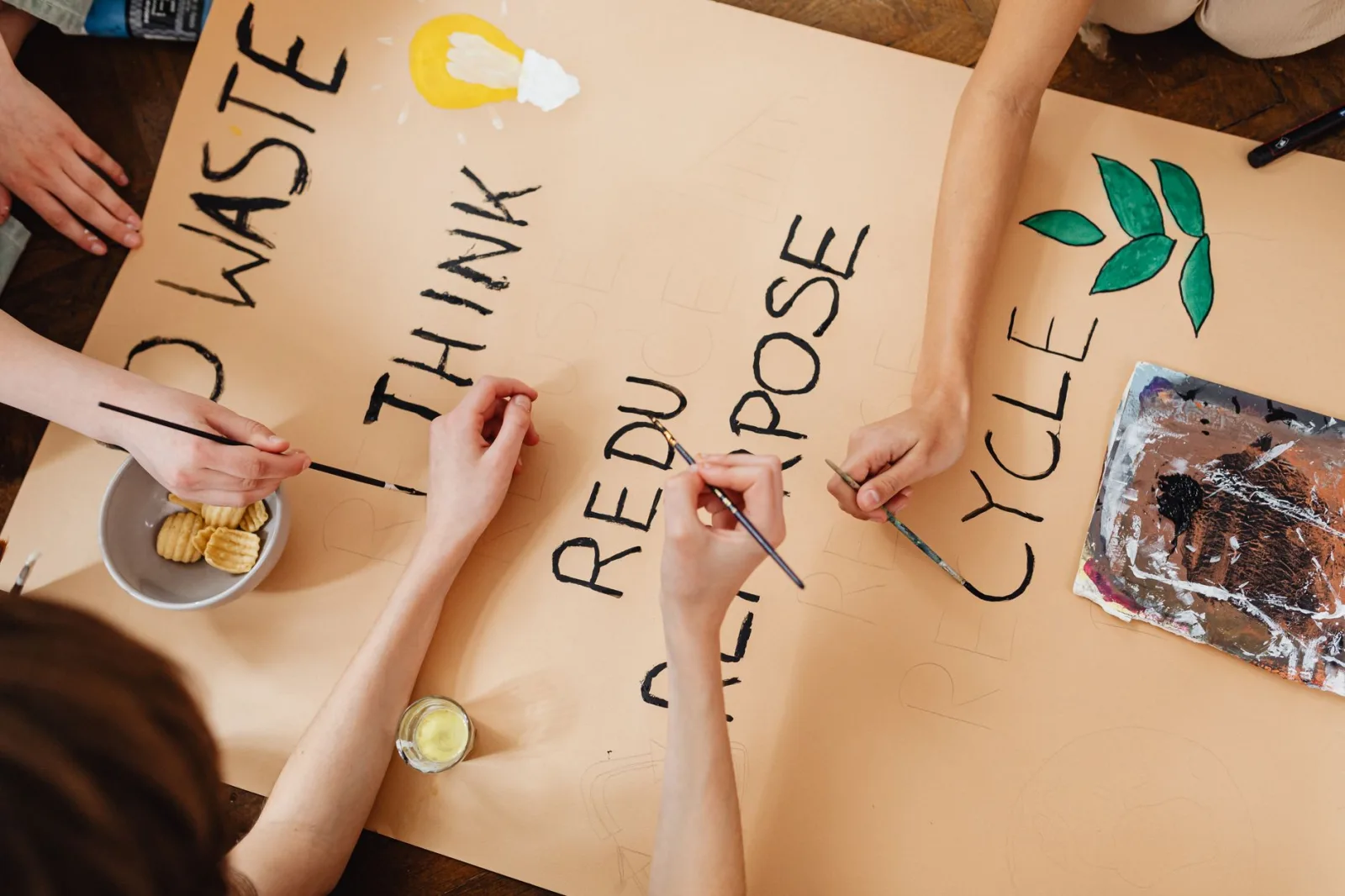
- Education and Awareness: Many eco-communities run workshops and programs that teach both locals and visitors about traditional practices, ensuring that cultural knowledge is passed down through generations.
- Integration of Local Crafts: Some communities promote local artisans by integrating traditional crafts into their sustainability efforts, which can enhance both cultural pride and economic stability.
Conclusion: Embracing the Future of Sustainable Living
The hidden eco-communities of the Arabian Peninsula represent a remarkable fusion of sustainable living and cultural preservation. As you explore these unique spaces, you may find that they offer valuable lessons on how to live harmoniously with the environment while honoring local traditions. Engaging with these communities can broaden your understanding of sustainability and inspire you to adopt similar practices in your own life. Whether through visiting, participating, or simply spreading awareness, you can contribute to the growth of eco-communities and help preserve the rich cultural heritage of the Arabian Peninsula.
Key Takeaways
- Eco-communities focus on sustainable living and cultural preservation through principles like resource efficiency and local sourcing.
- Notable eco-communities such as the Eco-Dome, Masdar City, and Al Ayn Eco-Village showcase innovative practices in the region.
- Engagement with eco-communities can be achieved through research, visits, and participation in activities.
- While facing challenges, these communities continue to strive for a sustainable future, integrating cultural heritage into their practices.