





Understanding Cairo Street Art
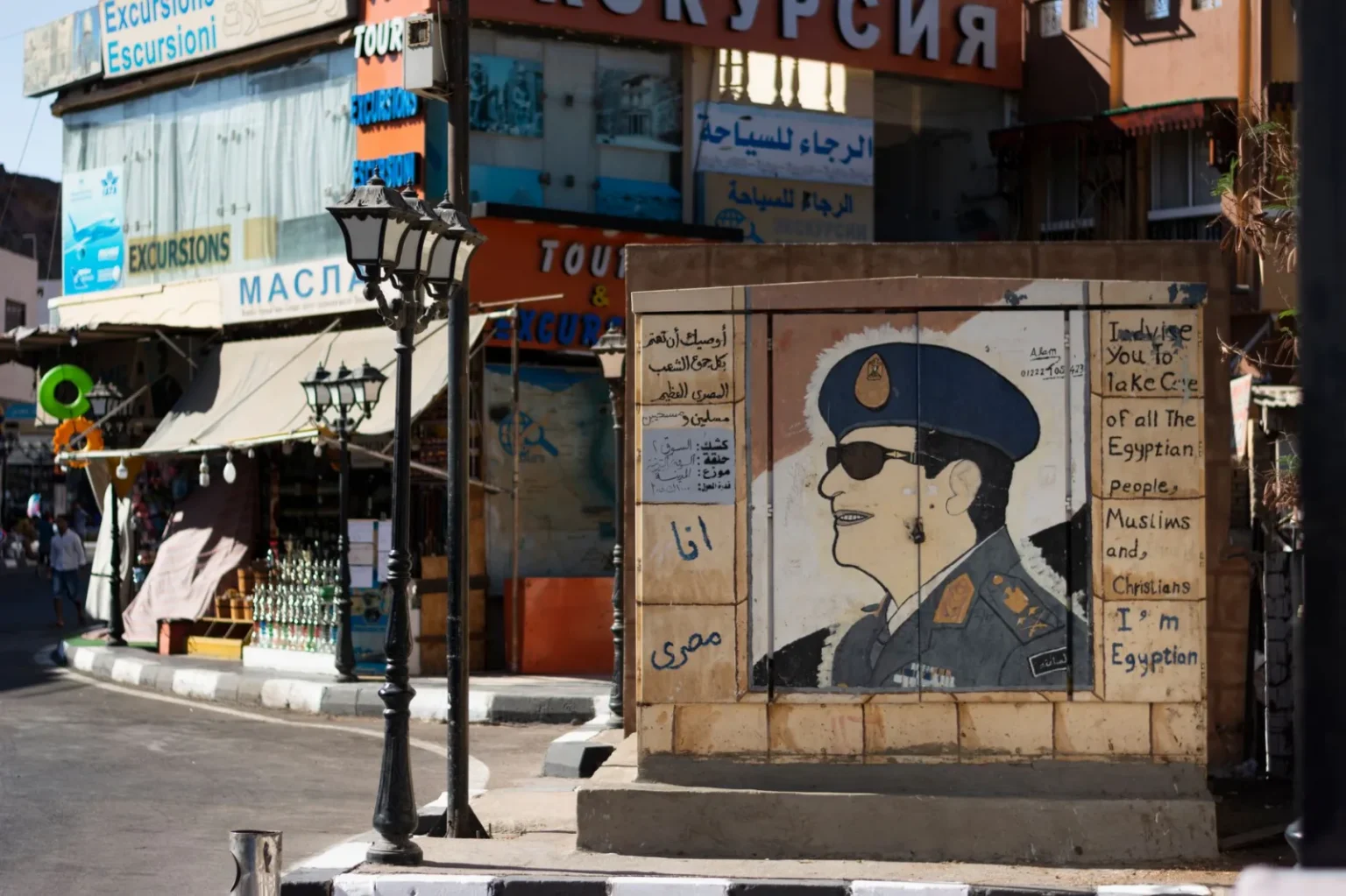
Cairo street art serves as a vivid reflection of the city’s rich history, diverse cultures, and social issues. Unlike typical art found in galleries, street art is accessible to everyone. It adorns walls, bridges, and alleyways, transforming urban spaces into dynamic canvases. To appreciate this art form, start by recognizing its role in contemporary Egyptian culture and how it intersects with daily life.
The Evolution of Street Art in Cairo
Street art in Cairo has evolved significantly over the past few decades. Originally, it was primarily used for political expression during the Arab Spring, where murals conveyed messages of resistance and hope. Artists like Ganzeer and Ahmed Mamdouh have played crucial roles in this transformation. Today, Cairo’s murals range from politically charged pieces to stunning visuals representing the city’s heritage.

Exploring Hidden Murals
Hidden murals are often tucked away in less-traveled neighborhoods, offering a treasure hunt for those willing to explore. Here are some notable locations to discover:
- Downtown Cairo: This area features a mix of historical architecture and contemporary murals. Take a walking tour to find pieces that narrate stories of local struggles and triumphs.
- Garden City: Known for its artistic vibe, Garden City hosts several murals that celebrate Egyptian culture, often depicting everyday scenes and traditional motifs.
- Sayeda Zeinab: This neighborhood showcases stunning murals that reflect the local community’s life and beliefs. Look closely for intricate details that tell deeper stories.
Understanding the Cultural Stories Behind the Murals
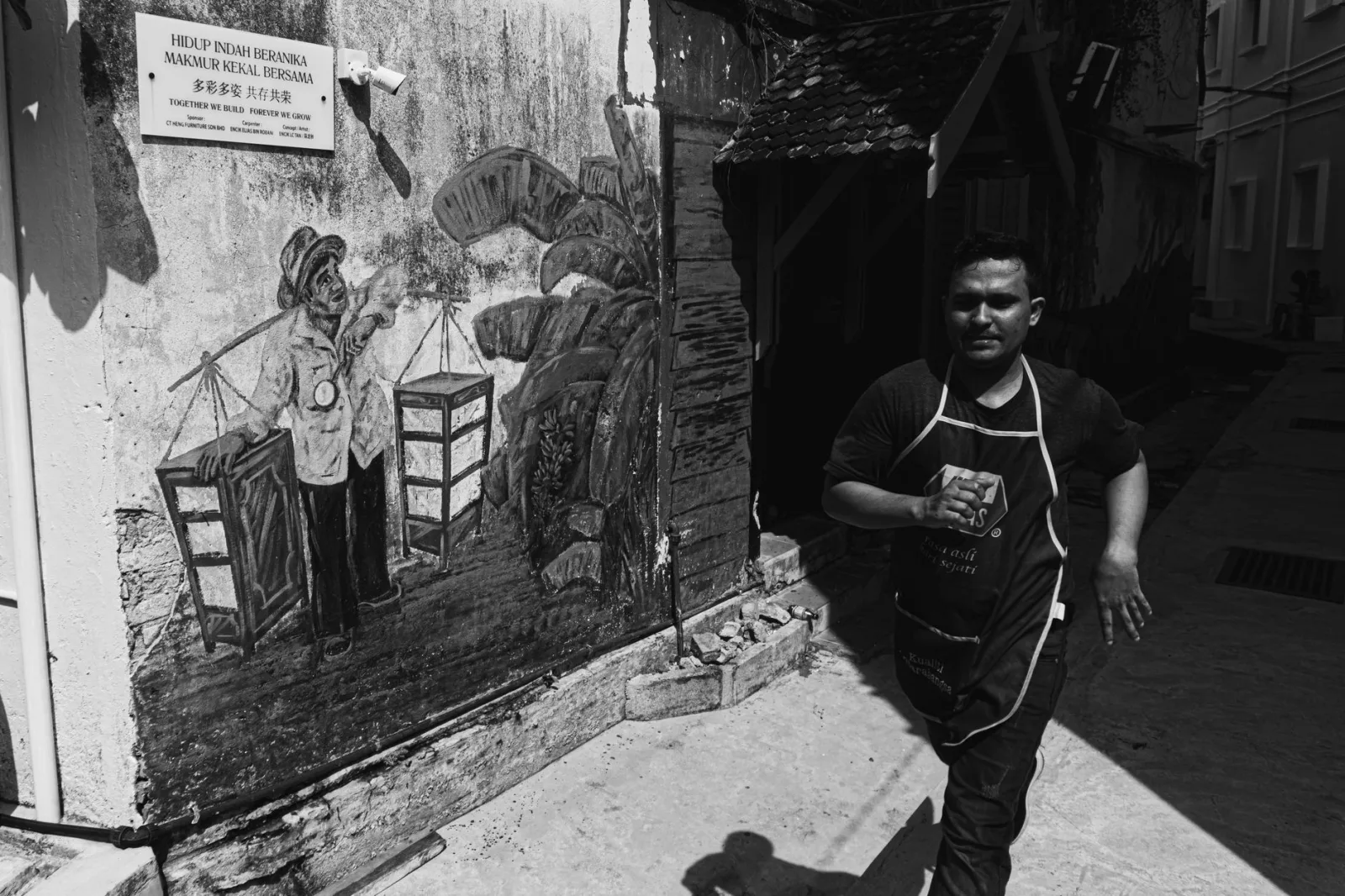
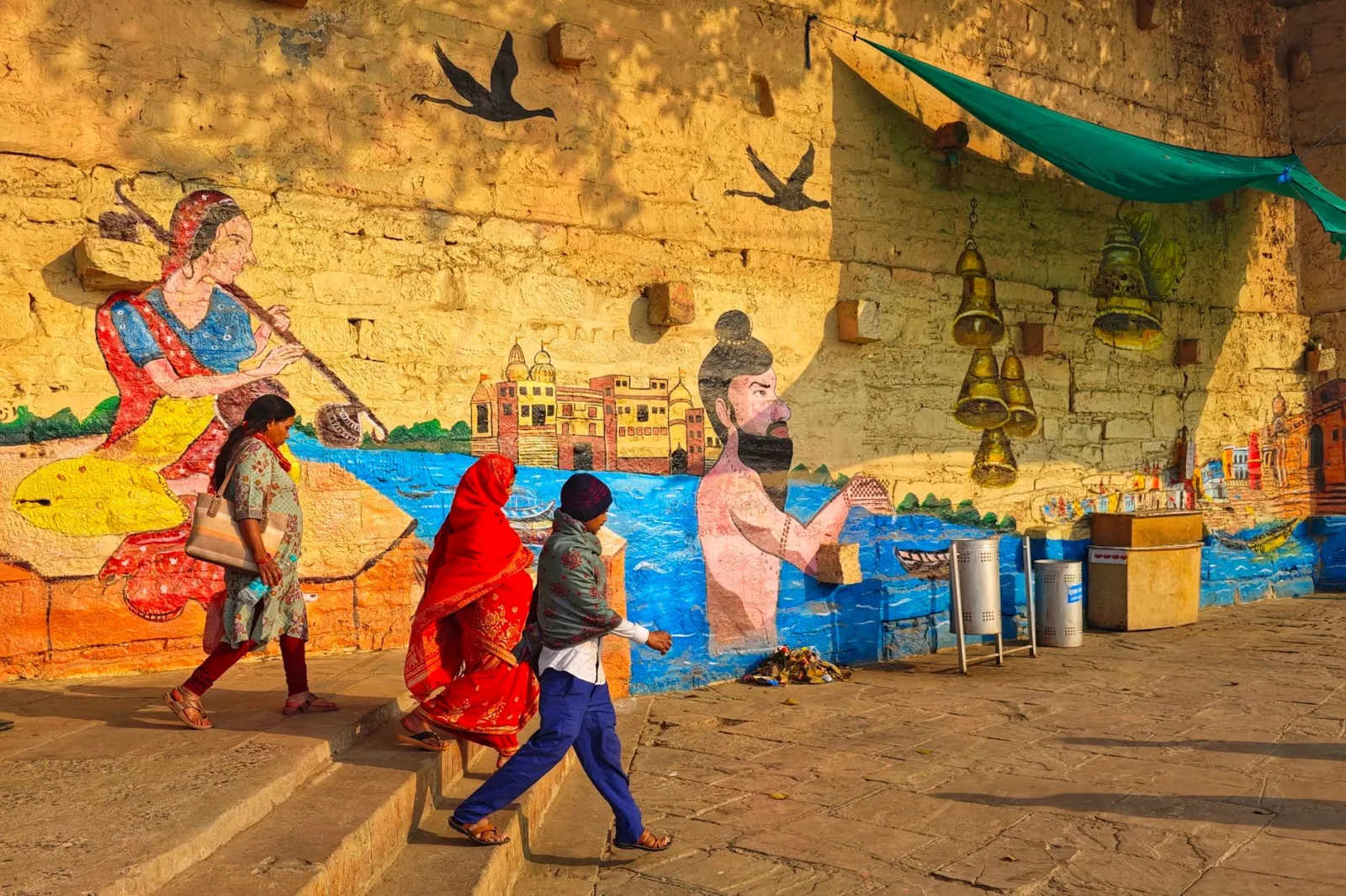
Each mural you encounter has its own story. For instance, a mural depicting a woman in traditional attire may celebrate the strength and resilience of women in Egyptian society. Artists often draw inspiration from their surroundings, incorporating local folklore, historical events, and social issues into their work. This context enriches your experience as you explore the art.
How to Experience Cairo’s Street Art
To fully appreciate Cairo’s street art, consider these practical steps:
- Take a Guided Tour: Many local guides offer tours focusing on street art, providing insights you might miss on your own.
- Engage with the Artists: Some artists welcome interaction, allowing you to learn about their creative processes and the meanings behind their works.
- Participate in Workshops: Consider joining workshops where you can try your hand at street art, guided by local artists.
Important Note on Street Art Etiquette
While exploring, it’s crucial to respect the artists and the communities. Avoid climbing on walls or defacing murals. Always ask for permission before taking photos, especially if the artwork is located on private property. This respect fosters positive relationships between artists and the community.
Connecting Street Art to Broader Cultural Experiences
Street art is just one facet of Cairo’s vibrant culture. To deepen your understanding, consider exploring these connected experiences:
- The Soul of Cairo: A Journey Through the City’s Lesser-Known Cultural Festivals: Discover how local festivals celebrate traditions.
- Exploring Cairo’s Artisan Markets: A Guide to Local Handicrafts and Unique Souvenirs: Engage with local crafts that often inspire street art.
- The Hidden Heritage of Cairo: A Guide to Neighborhood Cultural Workshops: Participate in workshops that enhance your appreciation of local art forms.
Summary and Key Takeaways
Cairo’s street art is a vibrant tapestry of cultural stories waiting to be discovered. By exploring hidden murals and engaging with their narratives, you gain a deeper understanding of the city’s identity. Remember to approach this experience with respect and curiosity. Whether you are on a guided tour or wandering through local neighborhoods, take the time to connect with the art and the artists behind it. Your journey through Cairo’s street art will not only enhance your travel experience but also allow you to appreciate the multifaceted nature of Egyptian culture.