






Understanding Culinary Traditions in the Arabian Peninsula
The culinary traditions of the Arabian Peninsula are a tapestry woven from diverse cultures, historical influences, and geographic variations. These traditions reflect not only the ingredients available in the region but also the stories of the people who inhabit it. To appreciate these hidden gems, you need to delve into the forgotten recipes and local flavors that often get overshadowed by more mainstream cuisines.
- Understanding Culinary Traditions in the Arabian Peninsula
- 1. The Essence of Local Ingredients
- 2. Rediscovering Forgotten Recipes
- 3. Unique Cooking Techniques
- 4. Regional Variations in Flavors
- 5. The Role of Community in Culinary Practices
- 6. Exploring Local Markets for Culinary Treasures
- 7. Embracing Modern Interpretations
- Conclusion: Savoring the Culinary Heritage of the Arabian Peninsula
1. The Essence of Local Ingredients
Firstly, local ingredients form the foundation of Arabian cuisine. Spices such as za’atar, sumac, and saffron are staples, each carrying a unique flavor profile. For example, za’atar, a blend of thyme, oregano, and sesame seeds, adds a herbal, nutty taste to various dishes. Important note: sourcing these spices from local markets can enhance their freshness and authenticity.

2. Rediscovering Forgotten Recipes
Many recipes have faded into obscurity, overshadowed by international dishes. One such example is jereesh, a dish made from cracked wheat and often served during festive occasions. To prepare jereesh, you would typically soak the wheat, cook it with meat, and season with spices. This dish not only provides sustenance but also serves as a communal experience during gatherings.
3. Unique Cooking Techniques
Additionally, cooking techniques also play a crucial role in defining these culinary traditions. Traditional methods such as tandoor cooking (using a clay oven) and slow-cooking in earthen pots emphasize the flavors of the ingredients. For instance, meat cooked in a tandoor becomes incredibly tender and infused with smoky flavors, a technique you can replicate at home with a simple grill if a tandoor is unavailable.
4. Regional Variations in Flavors
The Arabian Peninsula is not monolithic in its culinary offerings; each region boasts its own specialties. In Yemen, saltah, a hearty stew, is a beloved dish often served with salta (a type of bread). In contrast, Oman is known for its rich seafood dishes that reflect its coastal geography. Pro tip: when exploring these regions, don’t hesitate to ask locals for their family recipes, as they often hold the key to authentic flavors.
5. The Role of Community in Culinary Practices
Communal cooking and sharing meals are integral to the culinary traditions of the Arabian Peninsula. Events such as weddings and festivals often showcase elaborate feasts that highlight forgotten recipes. For example, during Ramadan, families may prepare harees, a dish made from wheat and meat, symbolizing unity and tradition. Therefore, participating in such events can provide a deeper understanding of these culinary practices.

6. Exploring Local Markets for Culinary Treasures
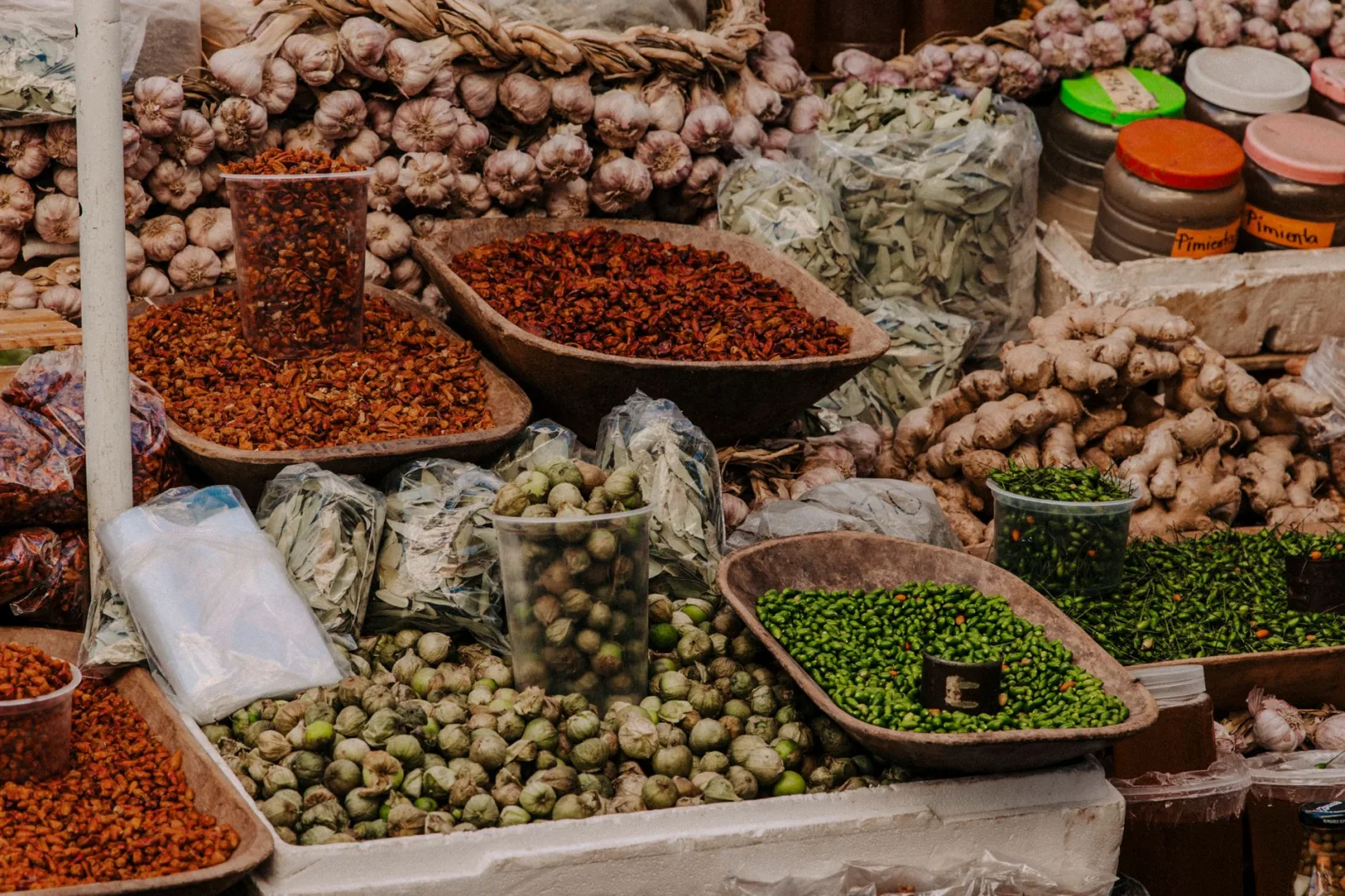
Exploring local markets is an excellent way to discover culinary traditions. Markets are often filled with vendors selling spices, local produce, and handmade goods. For example, the bustling souks in places like Muscat or Jeddah can be treasure troves for food enthusiasts. Common mistake: don’t just stick to tourist spots; venture into less-known markets for a more authentic experience. You might find unique ingredients to recreate forgotten recipes at home.
7. Embracing Modern Interpretations
While it’s essential to preserve traditional recipes, modern chefs are also experimenting with these flavors, creating fusion dishes that appeal to contemporary palates. This blending of old and new can be seen in restaurants that take traditional dishes and incorporate global cooking techniques. For example, a chef might create a za’atar-crusted salmon, combining local herbs with a popular seafood choice. This innovation not only keeps the culinary traditions alive but also makes them accessible to newer generations.
Conclusion: Savoring the Culinary Heritage of the Arabian Peninsula
In conclusion, the culinary traditions of the Arabian Peninsula are rich with history and flavor waiting to be rediscovered. By exploring forgotten recipes, embracing local ingredients, and engaging with community practices, you can uncover a world of tastes that reflect the region’s diverse heritage. Important note: as you embark on this culinary journey, remain respectful of local customs and traditions, and always seek to learn from those who are preserving these culinary gems.
Key takeaways: Engage with local communities, explore hidden markets, and experiment with traditional recipes to truly savor the culinary heritage of the Arabian Peninsula.