





The Essence of Cairo Henna Art
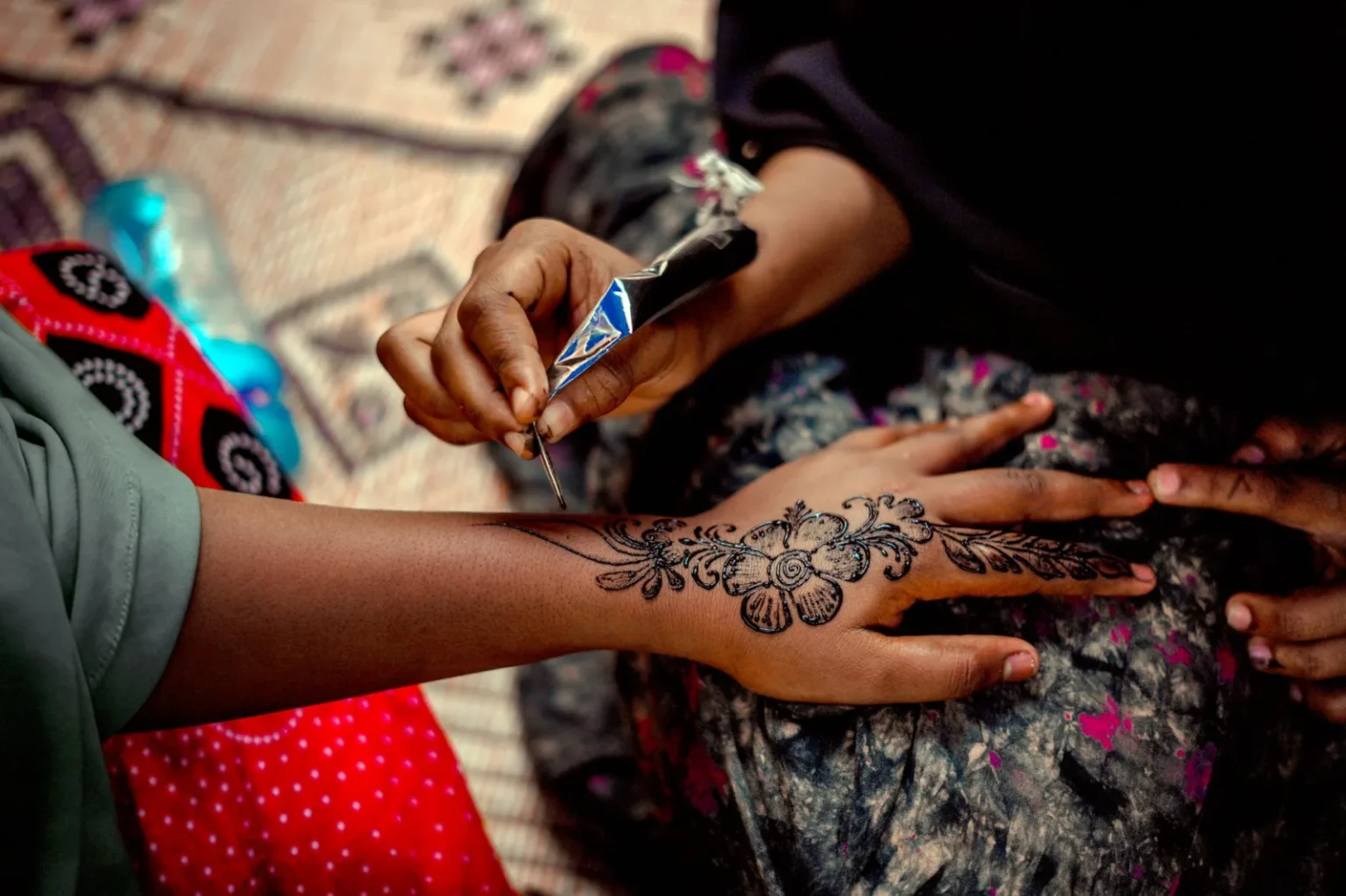
Cairo henna art is not merely a decorative practice; it embodies deep cultural significance. In Egypt, henna has been used for centuries, primarily during celebrations such as weddings and religious festivals. This traditional body art serves as a visual representation of joy, beauty, and spirituality. If you’re exploring Cairo, experiencing henna art firsthand offers a unique glimpse into the city’s rich cultural fabric.
- The Essence of Cairo Henna Art
- Understanding Henna: The Basics
- The Cultural Significance of Henna in Cairo
- Exploring Henna Techniques and Designs
- Common Mistakes to Avoid When Getting Henna
- The Evolution of Henna Art in Cairo
- Engaging with the Henna Community
- Conclusion: Embracing the Art of Henna in Cairo
Understanding Henna: The Basics
Henna, derived from the Lawsonia inermis plant, has been utilized in body art for its natural dyeing properties. The leaves of this plant are dried, ground into a fine powder, and mixed with water or other liquids to create a paste. Once applied to the skin, the paste stains the skin a rich reddish-brown color. This process can take several hours, and the final hue depends on various factors, such as the quality of the henna and the duration of its contact with the skin. Each application is unique, reflecting the artist’s style and the cultural context surrounding it.
The Cultural Significance of Henna in Cairo
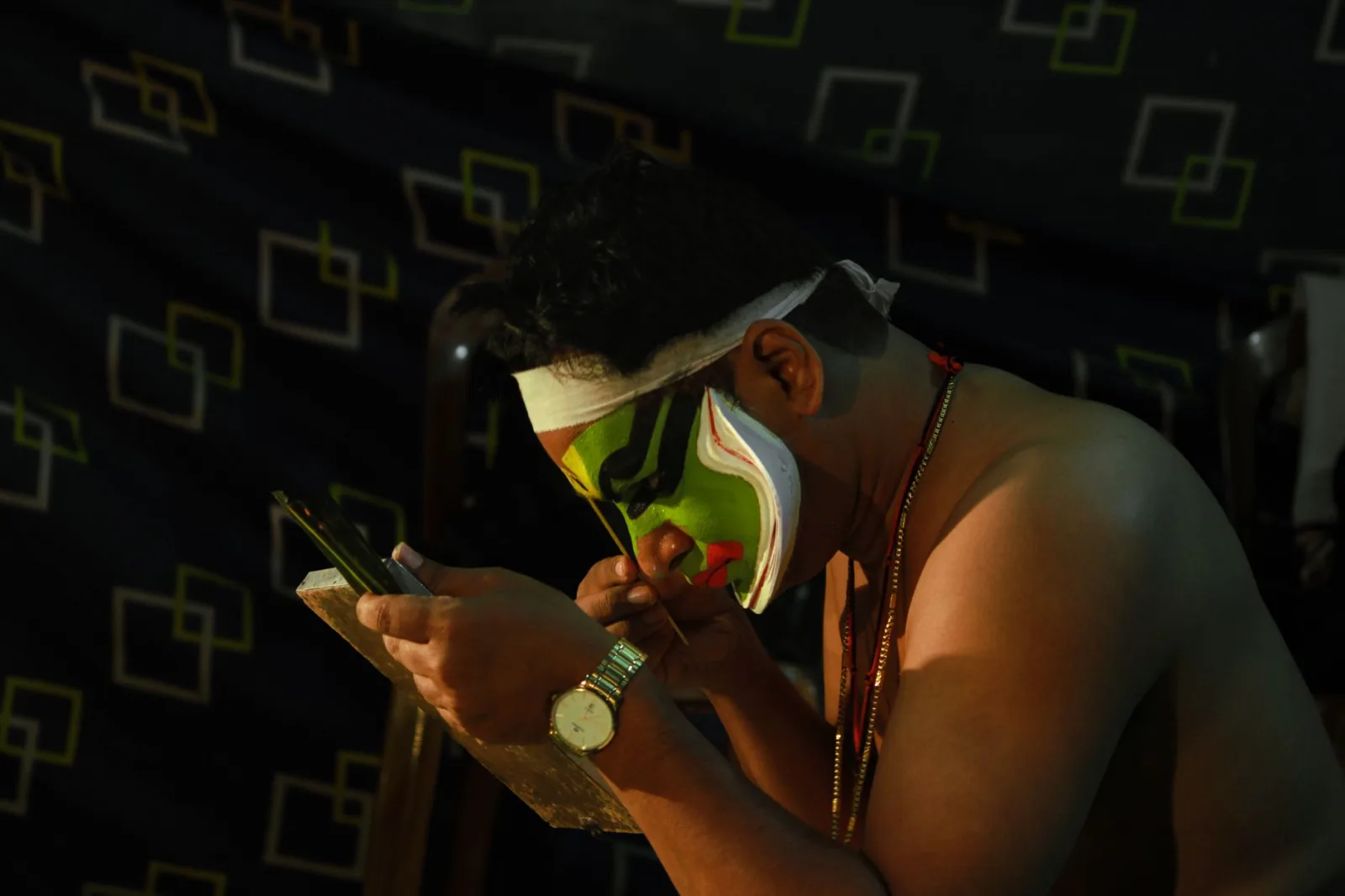
In Cairo, henna is more than just body art; it is a vital part of cultural and social rituals. Important events such as weddings often feature a henna ceremony where the bride and female relatives gather to celebrate and apply intricate designs. This gathering fosters community, strengthens familial bonds, and celebrates femininity. Moreover, henna is believed to bring good luck and ward off evil spirits, making it a staple in various rites of passage.
Celebrations and Rituals
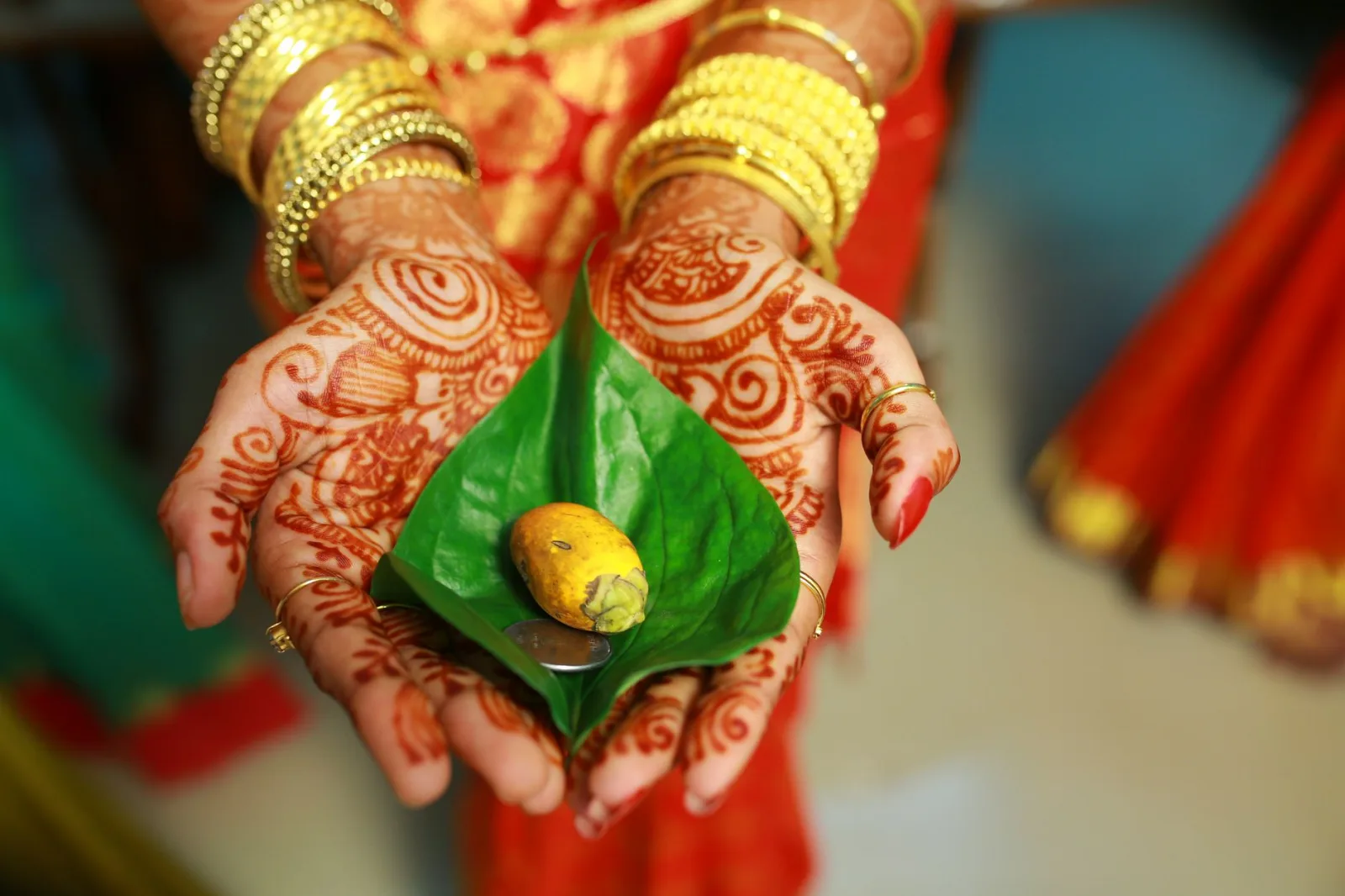
During weddings, henna designs play a crucial role. The bride often wears elaborate patterns on her hands and feet, symbolizing her transition into married life. The designs may include motifs such as peacocks, flowers, and geometric patterns, each carrying specific meanings. It’s essential to understand that these patterns are not just aesthetic; they embody wishes for fertility, prosperity, and happiness. Such traditions connect the present with cultural heritage, allowing you to appreciate the beliefs and values of the community.
Exploring Henna Techniques and Designs
Henna artists in Cairo employ various techniques to create stunning designs. The most common method involves using a cone-shaped applicator, allowing for precision in design. If you’re interested in experiencing henna art, here’s how you can get involved:
- Find a local henna artist: Look for artists at local markets or festivals. Engaging with them provides insight into their techniques and the meanings behind their designs.
- Choose your design: Decide whether you want a simple pattern or an elaborate piece. Don’t hesitate to ask the artist for suggestions based on your preferences.
- Prepare for the application: Ensure your skin is clean and dry. The artist will apply the henna paste, which typically takes 15 to 30 minutes to dry.
- Aftercare: Important note: Avoid washing the area for at least 12 hours to achieve a darker stain. Also, applying lemon juice or sugar can help set the color.
This hands-on experience not only allows you to enjoy the art of henna but also deepens your connection to Cairo’s body art culture.
Common Mistakes to Avoid When Getting Henna
While henna application can be a fun experience, there are a few common pitfalls to be aware of:
- Rushing the process: Allow the henna to dry completely. Rushing can lead to smudged designs and lighter colors.
- Neglecting aftercare: Proper care post-application is crucial for a vibrant and long-lasting stain. Following the artist’s advice is essential.
- Using low-quality henna: Ensure your artist uses natural henna. Chemical-based dyes can cause skin irritation and do not produce the traditional reddish-brown color.
The Evolution of Henna Art in Cairo
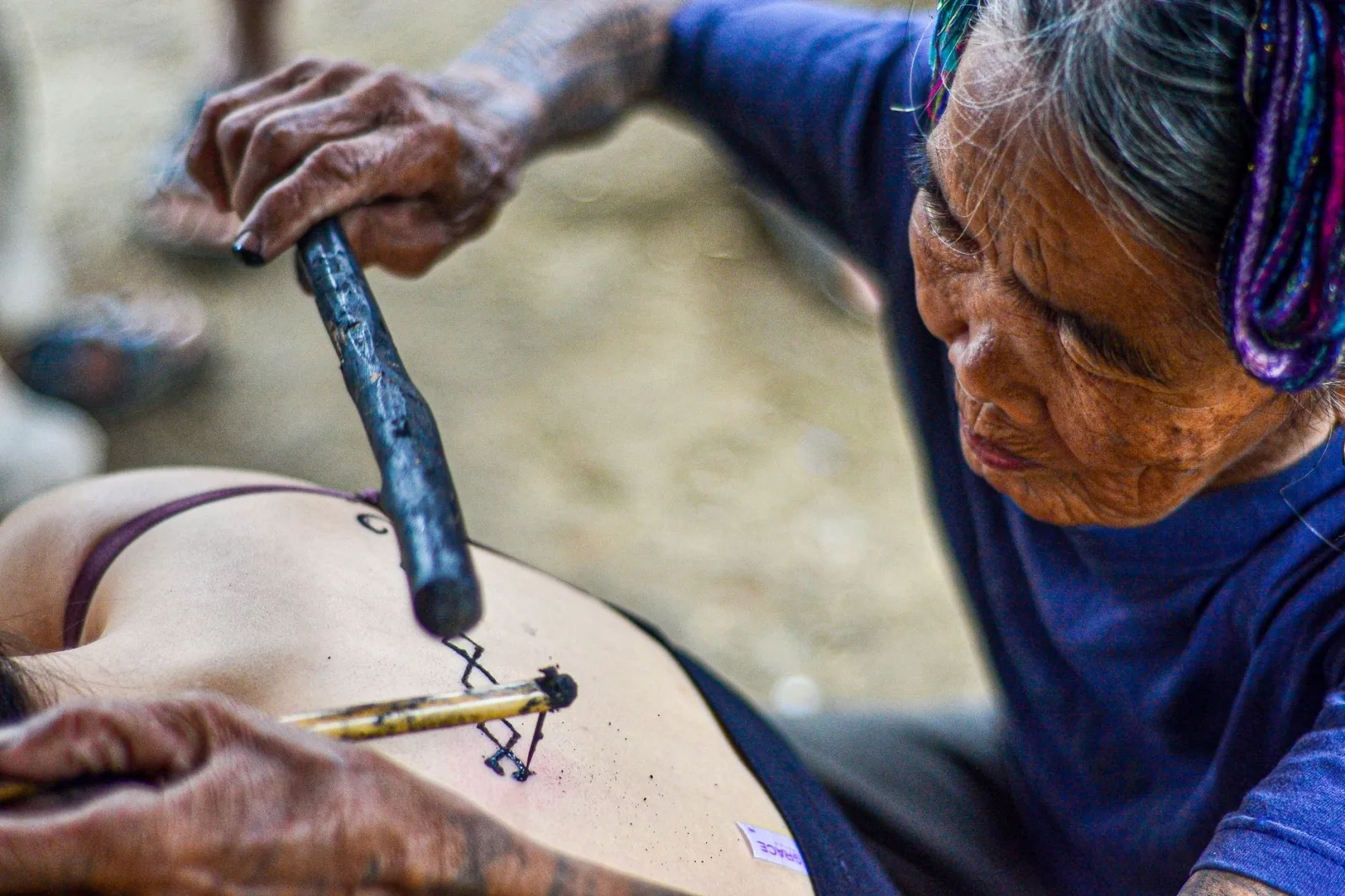
In recent years, Cairo’s henna art has evolved, blending traditional designs with modern techniques. Artists now incorporate contemporary elements, such as metallic inks and intricate geometric patterns inspired by urban life. This fusion creates a dynamic art form that appeals to both locals and tourists. Additionally, social media has played a significant role in this evolution, allowing artists to showcase their work and reach a broader audience. You can find stunning examples of Cairo henna art on platforms like Instagram, where hashtags like #CairoHennaArt highlight emerging trends and artists.
Engaging with the Henna Community
To truly appreciate the art of henna in Cairo, consider engaging with the local community. Participating in workshops or henna festivals can enhance your understanding of this cultural practice. Many local artisans host workshops where you can learn about henna history, techniques, and even try your hand at applying designs. Additionally, visiting community events allows you to witness the social aspect of henna application and its significance in celebrations.
Conclusion: Embracing the Art of Henna in Cairo
In summary, Cairo’s henna art is a vibrant expression of cultural identity, steeped in tradition and significance. By understanding its roots and engaging with local practitioners, you can appreciate the depth of this beautiful form of body art. Whether you choose to participate in a wedding celebration or simply admire the intricate designs in a bustling market, the experience of henna in Cairo is sure to enrich your travel journey. Remember to take your time, respect the traditions, and enjoy the artistry that continues to flourish in this historic city.