




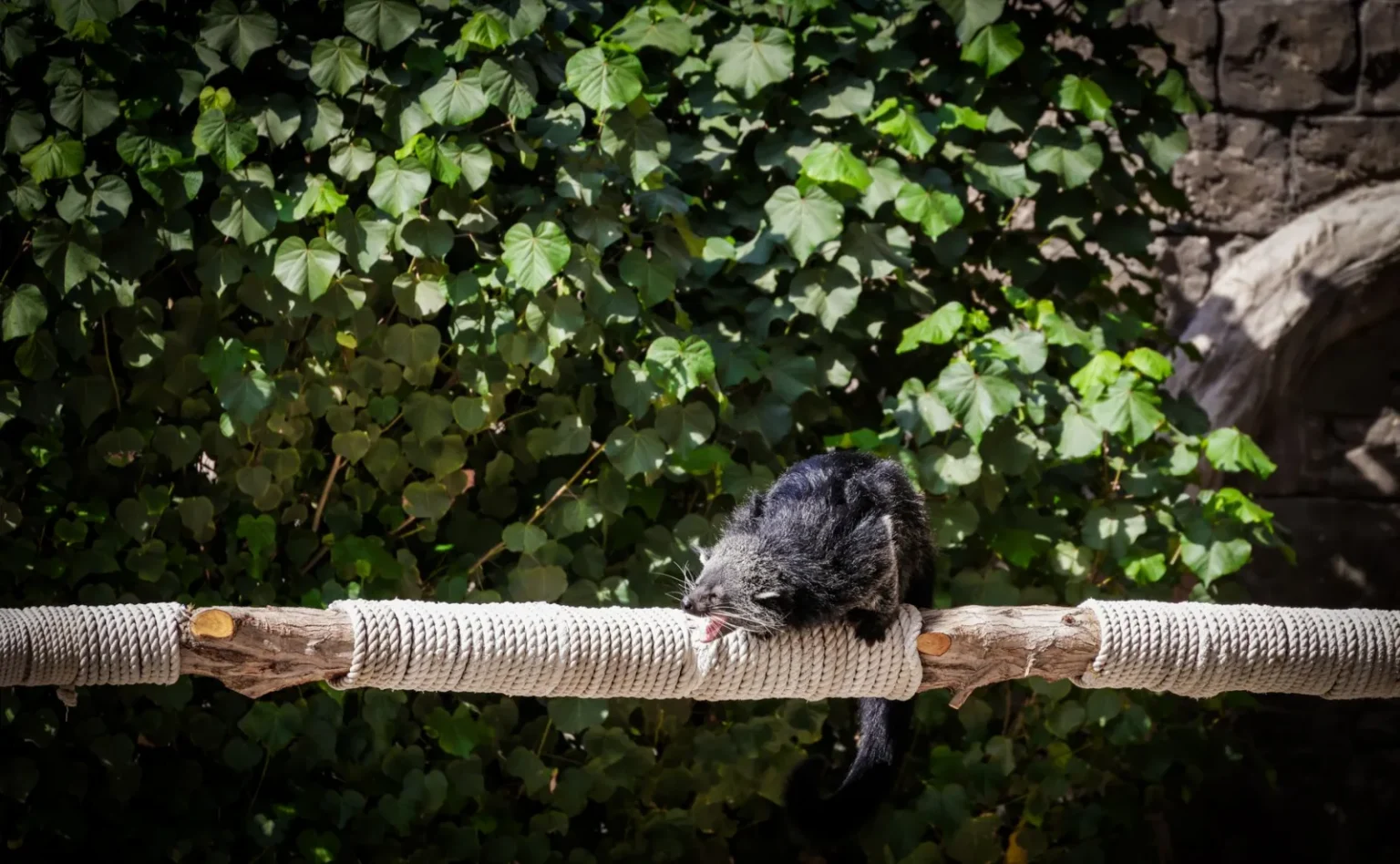

Understanding Egypt’s Wildlife Sanctuaries
Egypt is often celebrated for its historical sites and vibrant culture, but beyond the pyramids and bustling markets, the country boasts a network of wildlife sanctuaries teeming with rare species. These sanctuaries provide a vital refuge for unique animals and offer travelers exceptional opportunities to encounter wildlife in their natural habitats. Whether you’re an avid birdwatcher or simply curious about Egypt’s biodiversity, these offbeat sanctuaries can enrich your travel experience.
1. Why Visit Wildlife Sanctuaries in Egypt?
Visiting wildlife sanctuaries in Egypt allows you to witness rare animal encounters that are often overlooked by traditional tourist routes. Sanctuaries such as the Wadi El Rayan and the Gebel Elba reserve offer landscapes that are as diverse as the species they protect. Additionally, exploring these areas can provide insights into local conservation efforts and the ecological challenges faced by wildlife in Egypt. Understanding these aspects enhances your appreciation for the environment and the importance of protecting it.
2. Key Wildlife Sanctuaries to Explore
Here are some of the most notable wildlife sanctuaries in Egypt where you can experience rare animal encounters:
Wadi El Rayan
Located southwest of Cairo, Wadi El Rayan is famous for its stunning waterfalls and rich biodiversity. This sanctuary is home to the endangered Egyptian turtle and various bird species like the black stork. While visiting, you can hike the trails or take a boat ride to experience the area from different perspectives. Important note: Always respect the local fauna; maintain a safe distance from wildlife.
Gebel Elba National Park
In the southeast, near the borders with Sudan, lies Gebel Elba National Park. This mountainous area is known for its unique flora and fauna, including the rare Nubian ibex and several migratory bird species. The park’s varied landscape offers a chance to explore desert, mountain, and coastal ecosystems in one visit. Pro tip: Visit during the cooler months (October to March) for a more comfortable hiking experience.
Lake Qarun
Lake Qarun is not only a beautiful destination but also a habitat for numerous bird species, particularly pelicans and flamingos. The surrounding wetlands are crucial for migratory birds, making it an excellent spot for birdwatching. You can also enjoy the scenery through photography or leisurely walks along the shore. Common mistake: Many travelers overlook this site; plan a visit to avoid missing out on the vibrant birdlife.
3. Planning Your Visit
When planning your trip to these wildlife sanctuaries, consider the following steps to ensure a rewarding experience:
- Research the Best Times to Visit: Each sanctuary has peak seasons for wildlife sightings. For instance, winter months are ideal for birdwatching at Lake Qarun.
- Choose Sustainable Travel Options: Opt for eco-friendly tours or local guides who are knowledgeable about the wildlife and conservation practices.
- Pack Accordingly: Bring binoculars, a camera, and appropriate clothing for varying temperatures. A field guide can also enhance your wildlife spotting experience.
- Respect Local Regulations: Follow the rules of each sanctuary, such as staying on marked paths and not feeding animals, to protect both yourself and the wildlife.
4. Rare Animal Encounters to Look For
Each sanctuary offers the chance to encounter unique animals. Here are some highlights:
The Egyptian Tortoise
This small tortoise is native to Egypt and is critically endangered. Spotting one in Wadi El Rayan is a rare treat. Look for them in sandy areas where they bask in the sun.
The Nubian Ibex
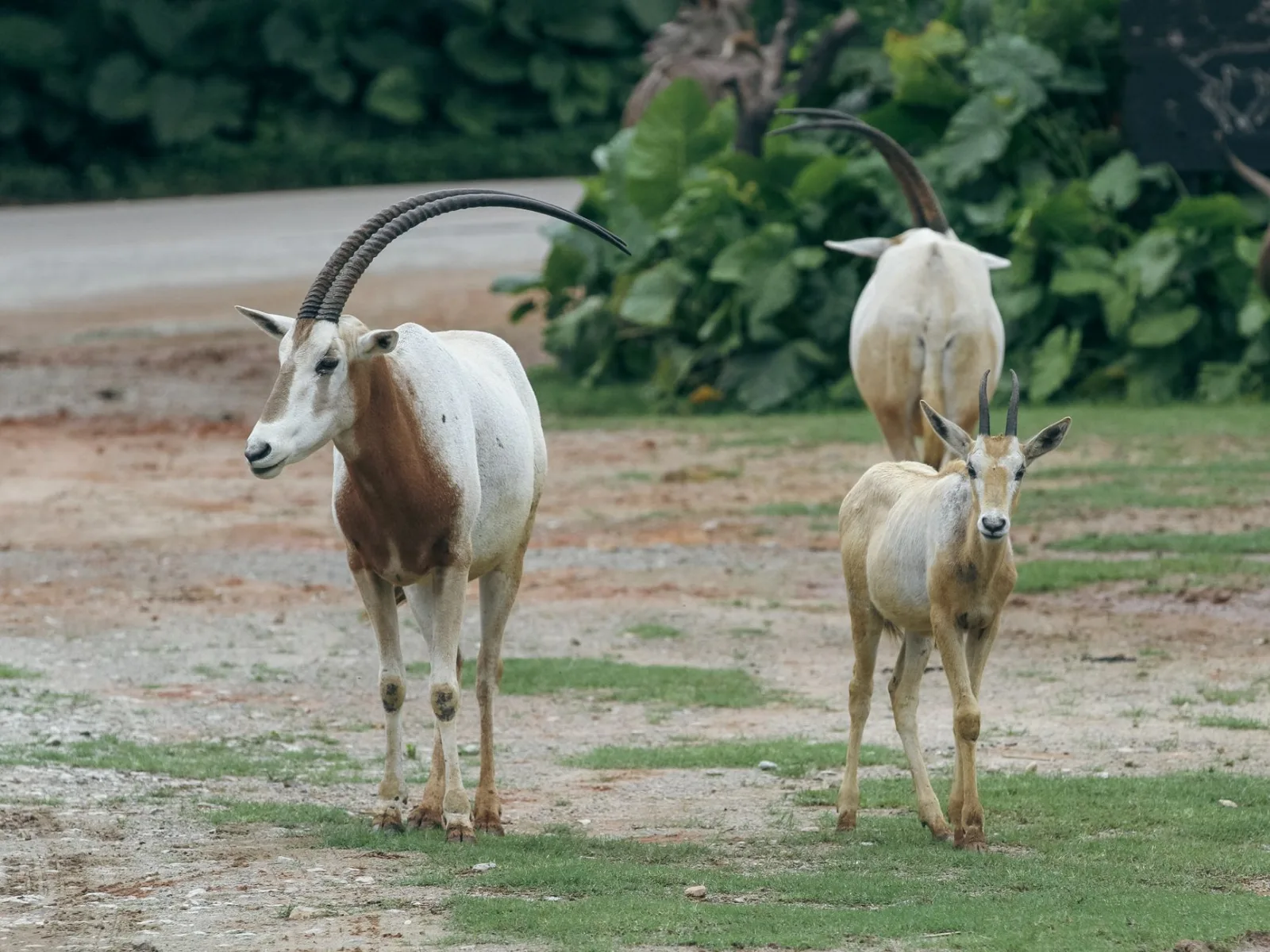
Found in Gebel Elba, the Nubian ibex is known for its impressive horns and agility on rocky terrain. These animals are often seen in small groups, especially during the early morning or late afternoon.
Migratory Birds
During migration seasons, you can see a variety of birds, including pelicans and flamingos at Lake Qarun. Watching them take flight at sunrise is an unforgettable experience.
5. Tips for Responsible Wildlife Encounters
To ensure your wildlife encounters are respectful and beneficial, keep these tips in mind:
- Maintain Distance: Avoid getting too close to animals. This not only protects you but also minimizes stress for the wildlife.
- Limit Noise: Keep conversations quiet. Loud noises can disturb animals and disrupt their natural behaviors.
- Leave No Trace: Carry out any trash and avoid disturbing the habitat. This practice supports conservation efforts and helps maintain the beauty of the sanctuaries.
6. Common Mistakes to Avoid
Traveling to wildlife sanctuaries can be rewarding, but there are pitfalls to watch out for:
Rushing Your Visit
Many travelers try to see too much in a short time. Instead, take your time in each sanctuary to fully appreciate the environment and wildlife.
Ignoring Local Guides
Local guides offer valuable insights and enhance your experience. They can point out wildlife you might miss and provide context about the ecosystem.
Overlooking Conservation Impact
Be mindful of your impact on the environment. Choose activities and accommodations that support local conservation initiatives.
7. Conclusion: Key Takeaways for Your Adventure
Exploring Egypt’s wildlife sanctuaries opens up a world of rare animal encounters and breathtaking landscapes. By understanding the unique features of each sanctuary, planning your visit carefully, and practicing responsible wildlife viewing, you can have a fulfilling experience that contributes to conservation efforts. Always remember to respect the natural habitats and the creatures that inhabit them. As you venture into these offbeat areas, you not only enrich your travel experience but also become a part of Egypt’s commitment to preserving its unique wildlife.