Hidden Treasures of the Arabian Peninsula: A Guide to Exploring Off-the-Beaten-Path Artisans and Their Crafts
By
Share
Understanding the Importance of Hidden Artisans
The Arabian Peninsula is rich in culture, history, and artistry, yet many of its most talented artisans remain underappreciated. Hidden artisans often work in the shadows of more famous crafters, preserving traditional methods and creating unique pieces that tell the story of their heritage. By exploring these off-the-beaten-path artists, you not only support their livelihoods but also gain a deeper understanding of the region’s cultural fabric. For instance, a visit to a small pottery studio in Oman may reveal techniques passed down through generations, offering you an authentic experience that mass-produced items simply cannot replicate.
Finding hidden artisans often requires a bit of research and dedication. Here are steps you can take to uncover these treasures:
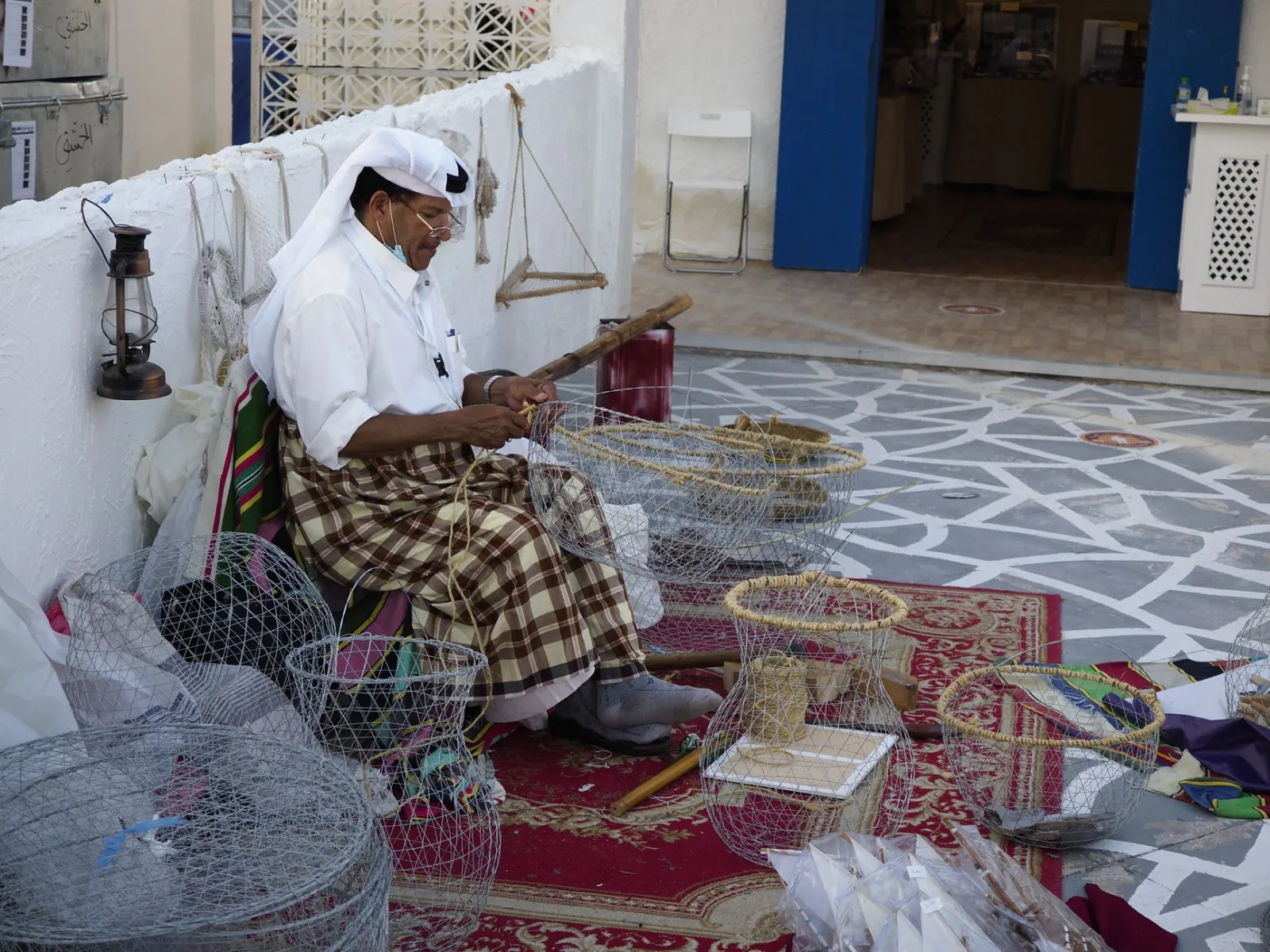
Engage with Local Communities: Interacting with locals can lead you to lesser-known artisans. Ask about their favorite craftsmen or where they shop for handmade goods. You might discover a talented carpet weaver or a skilled metalworker tucked away in a small village.
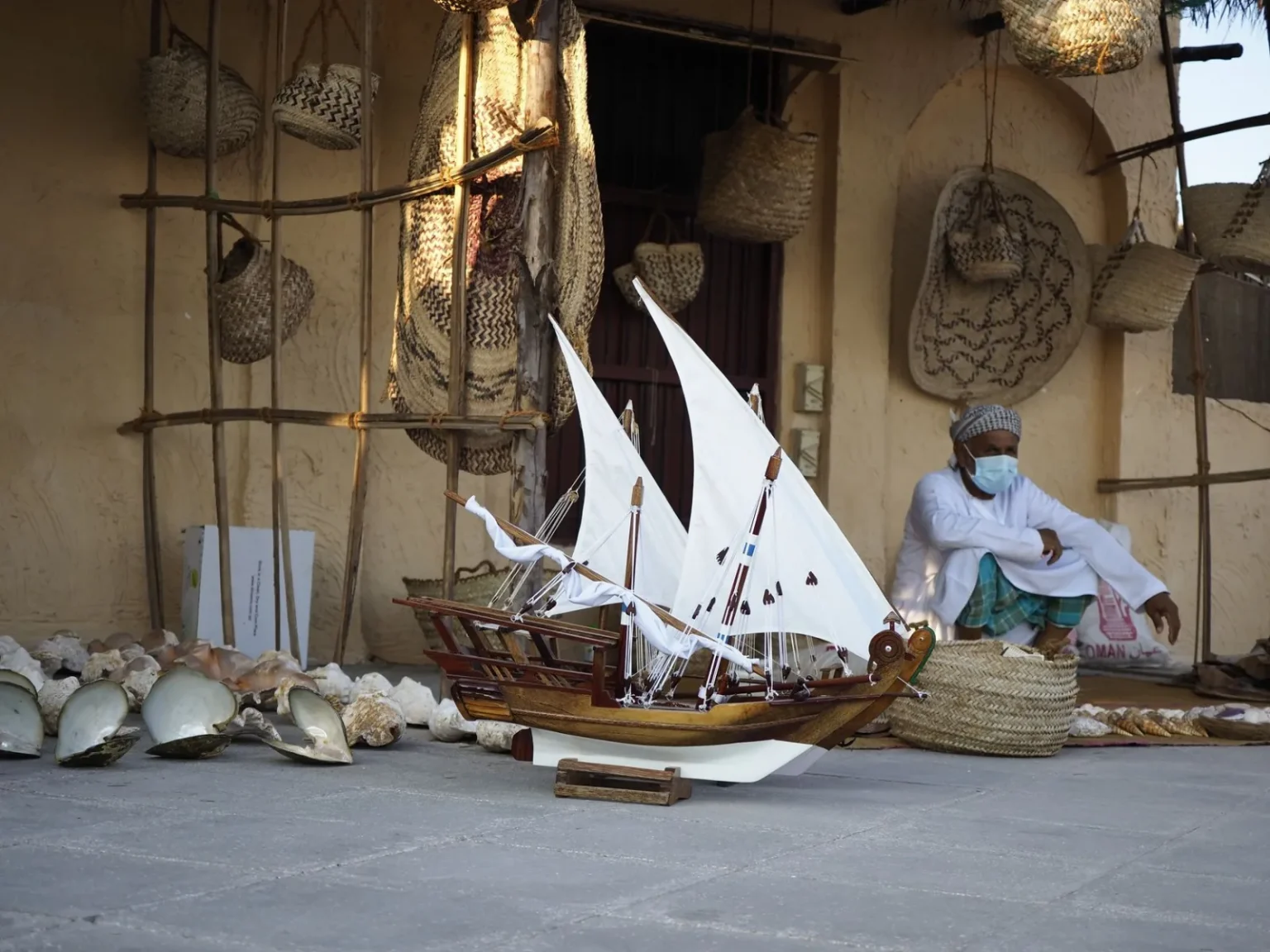
Attend Local Markets: Many artisans showcase their work at local markets or fairs. These events provide an opportunity to meet the creators directly, learn about their crafts, and appreciate their artistry firsthand.
Utilize Social Media: Platforms like Instagram and Facebook can be excellent resources for discovering hidden artisans. Look for hashtags related to Arabian crafts or specific regions.
Visit Cultural Centers: Cultural organizations often support local artisans by providing them with platforms to display their work. Check out museums or art galleries that feature local crafts.
📷 Natalya Rostun – Pexels
Exploring Traditional Arabian Crafts
Arabian crafts encompass a broad range of artistic expressions, from ceramics and textiles to metalwork and woodcraft. Here are some notable types of craftsmanship you may encounter:
1. Pottery and Ceramics
In places like Oman, pottery is not merely functional but also a form of artistic expression. The traditional method of hand-throwing clay is still practiced, and you can find intricate designs that reflect the natural surroundings. Pro tip: Look for workshops where you can try your hand at pottery-making under the guidance of a local artisan.
2. Weaving and Textiles
Textile arts, particularly weaving, are prominent in the Arabian Peninsula. Bedouin women often create beautiful tapestries and carpets that feature vibrant colors and patterns. A common mistake is assuming all carpets are the same; each piece tells a story through its design. Visiting a weaving workshop offers a chance to see the process and understand the symbolism behind each pattern.
📷 Natalya Rostun – Pexels
3. Metalwork
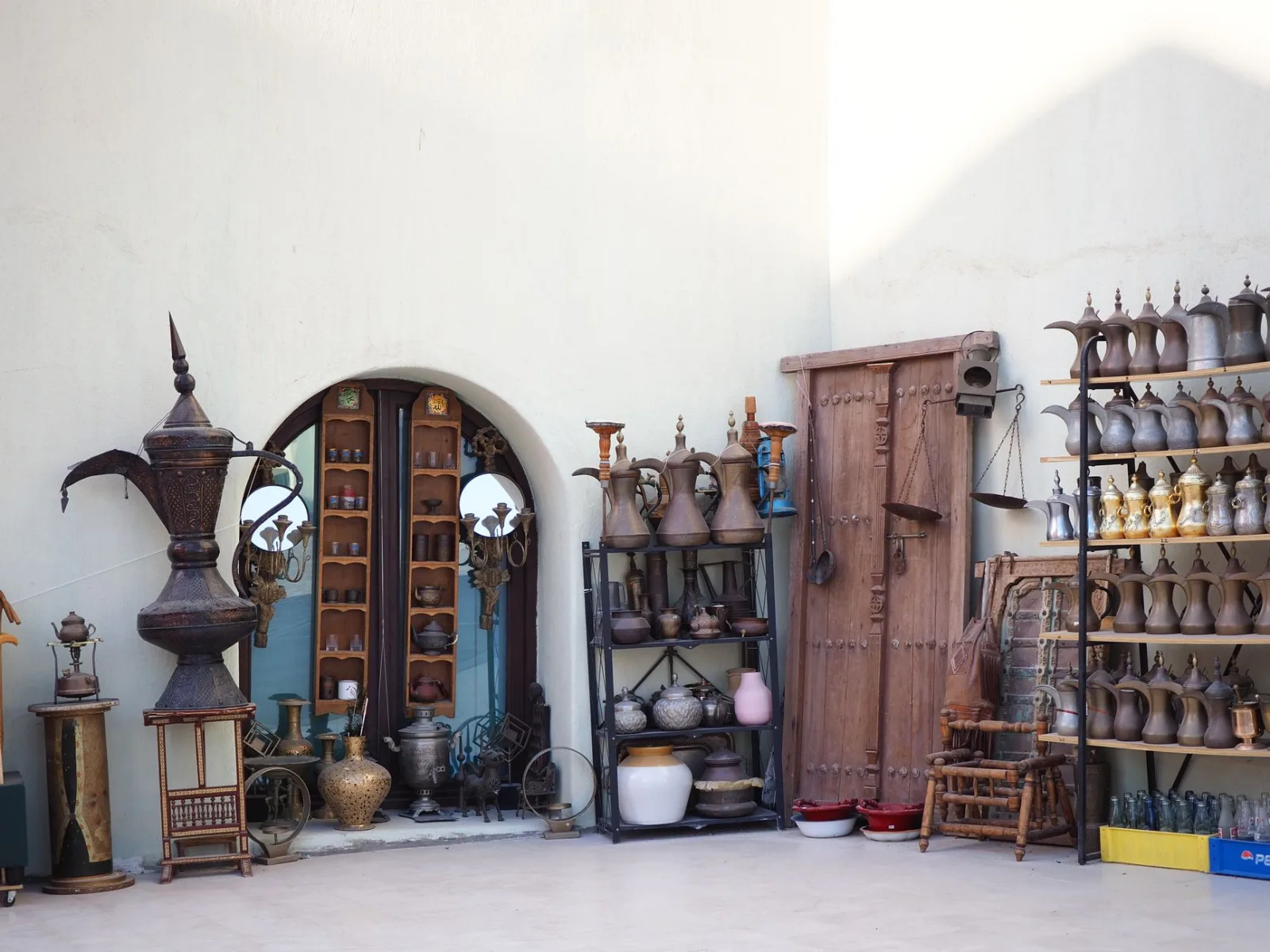
Artisans in the Arabian Peninsula have a long tradition of metalwork, including the creation of intricate jewelry and decorative items. You can find artisans specializing in silver, gold, and copper, often incorporating traditional motifs. Warning: Ensure that the metal is ethically sourced when making a purchase.
4. Woodcraft
Woodcraft is another significant artisan craft, with artisans creating everything from furniture to intricate carvings. The use of local woods, such as cedar, often results in unique pieces that reflect the natural beauty of the region. Important note: Seek out workshops where you can observe the carving techniques in action and perhaps even try your hand at it.
📷 Stephen Leonardi – Pexels
Connecting with Artisans: Building Relationships
When you discover hidden artisans, building a relationship can enhance your experience. Here’s how to connect meaningfully:
Listen to Their Stories: Each artisan has a unique journey. Take the time to ask about their craft and background. Understanding their motivations can deepen your appreciation for their work.
Participate in Workshops: Many artisans offer workshops where you can learn their craft firsthand. This not only supports them financially but also creates a memorable experience.
Share Your Experience: After your visit, share your experience on social media or blogs. This increases visibility for the artisans and encourages others to seek out hidden gems.
Supporting Sustainable Practices
When exploring the world of hidden artisans, it’s crucial to consider the sustainability of your purchases. Here are some tips to ensure your support is responsible:
Choose Local Materials: Support artisans who use locally sourced materials, which minimizes environmental impact and supports the local economy.
Inquire About Production Methods: Ask artisans about their production methods. Many will be proud to share their sustainable practices, such as using eco-friendly dyes or traditional techniques that require less energy.
Avoid Mass-Produced Items: Steer clear of items that appear mass-produced, as they often undermine the work of genuine artisans.
Conclusion: The Value of Hidden Artisans
Exploring the hidden artisans of the Arabian Peninsula allows you to engage with the rich cultural heritage of the region. You not only discover unique crafts but also support the artists who keep these traditions alive. The next time you travel, consider stepping off the beaten path to visit a local workshop or artisan market. You’ll find that the stories and connections you make are just as valuable as the crafts you’ll take home. In summary, hidden artisans provide a window into the heart of Arabian culture, offering you authentic experiences and unique treasures that are often overlooked. Whether it’s pottery in Oman or textiles in the UAE, every interaction has the potential to enrich your understanding of this diverse region.