





Understanding Cairo’s Culinary Traditions
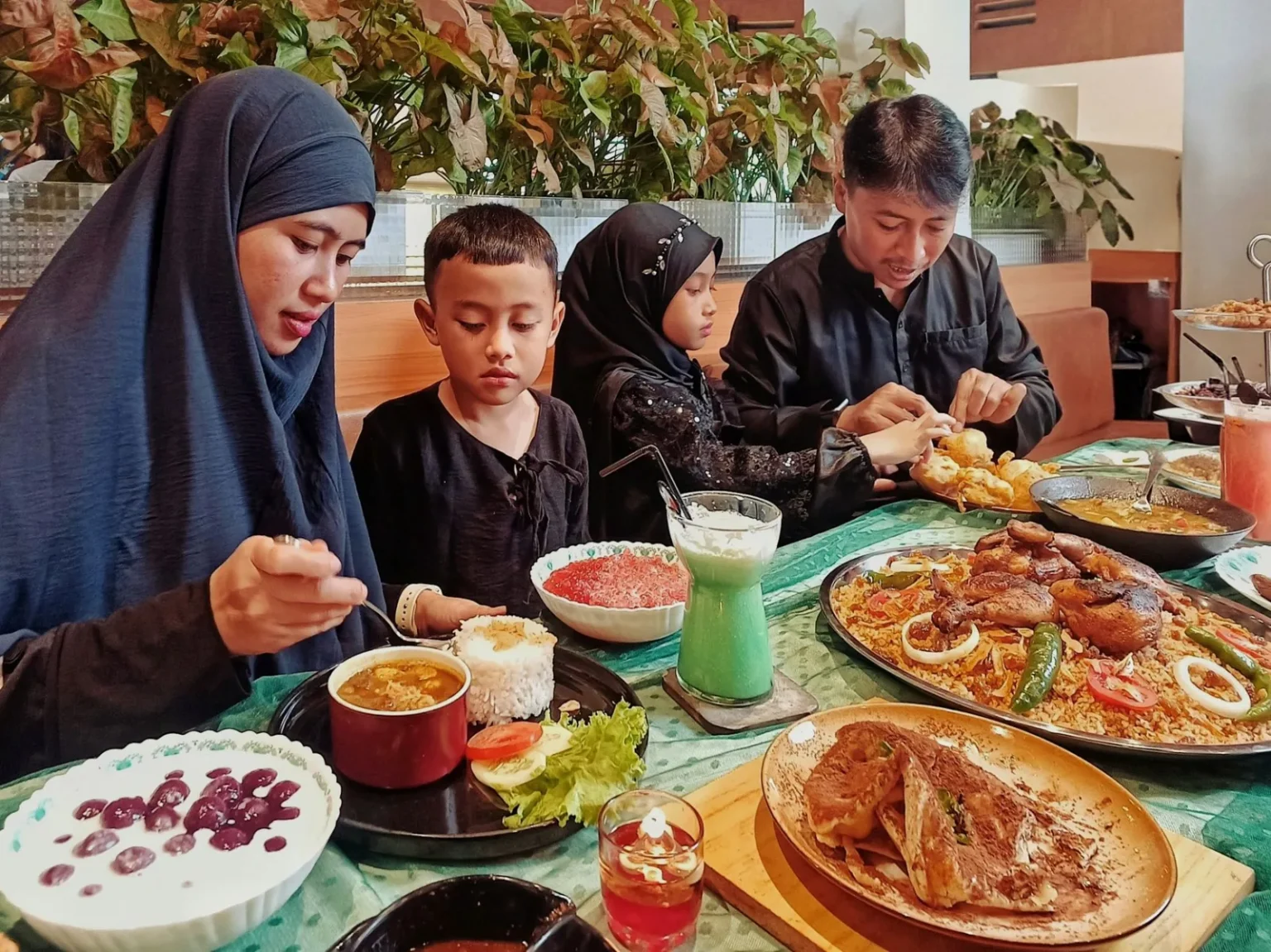
Cairo culinary traditions are deeply rooted in the city’s history, shaped by diverse influences from the Mediterranean, Middle East, and Africa. This melting pot of cultures has created a vast array of flavors and cooking techniques that often go unnoticed. By exploring these traditions, you can gain insights into the local lifestyle and the stories that connect families through generations.
- Understanding Cairo’s Culinary Traditions
- 1. The Importance of Family Recipes
- 2. Discovering Hidden Food Culture
- 3. Reclaiming Forgotten Recipes
- 4. Exploring Cairo’s Culinary Landscape
- 5. Engaging with Local Chefs
- 6. Preserving Culinary Knowledge
- 7. The Role of Community in Culinary Traditions
- Conclusion: Key Takeaways
1. The Importance of Family Recipes
Family recipes serve as a bridge across generations, preserving culinary knowledge and memories. They often represent regional variations and personal touches that reflect the family’s heritage. For instance, a grandmother’s recipe for koshari—a popular Egyptian dish made of rice, lentils, and pasta—might differ significantly from those of her neighbor. This uniqueness is a testament to the creativity and adaptability found within Cairo’s kitchens.
2. Discovering Hidden Food Culture
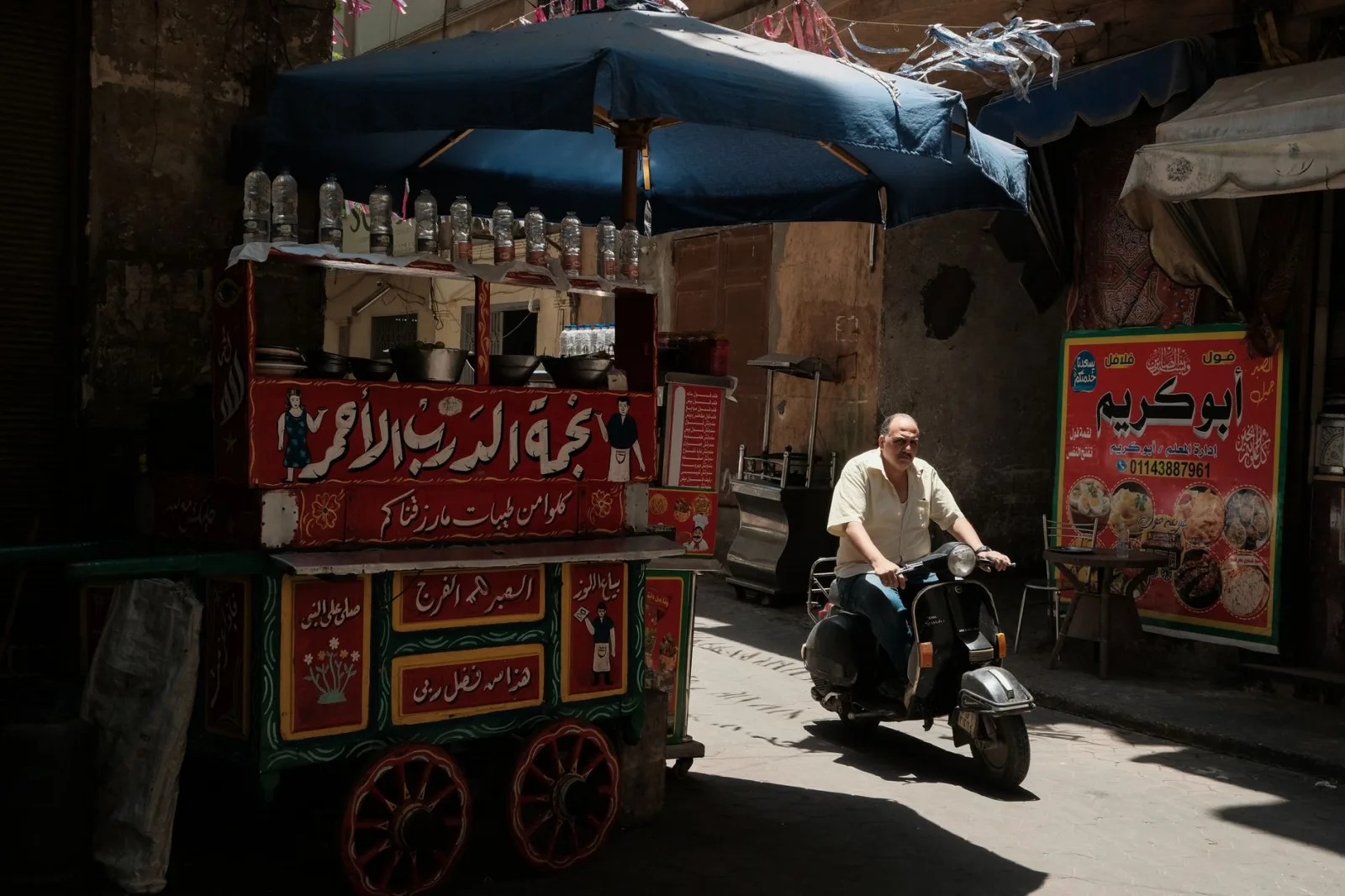
Cairo’s hidden food culture can be found in the bustling streets and quiet neighborhoods, where local families uphold culinary traditions. For example, consider a small street vendor selling homemade mahshi (stuffed vegetables). The vendor’s family may have passed down the recipe for generations, using the same spices and techniques that their ancestors employed, creating a direct link to the past.
3. Reclaiming Forgotten Recipes
To truly appreciate Cairo’s culinary heritage, it’s essential to reclaim and revive forgotten recipes. You might start by interviewing local families and asking them to share their cherished recipes. Important note: be respectful and understand that some families may hold certain recipes close to their hearts and might be reluctant to share them. Documenting these recipes can help preserve the food culture for future generations.
4. Exploring Cairo’s Culinary Landscape
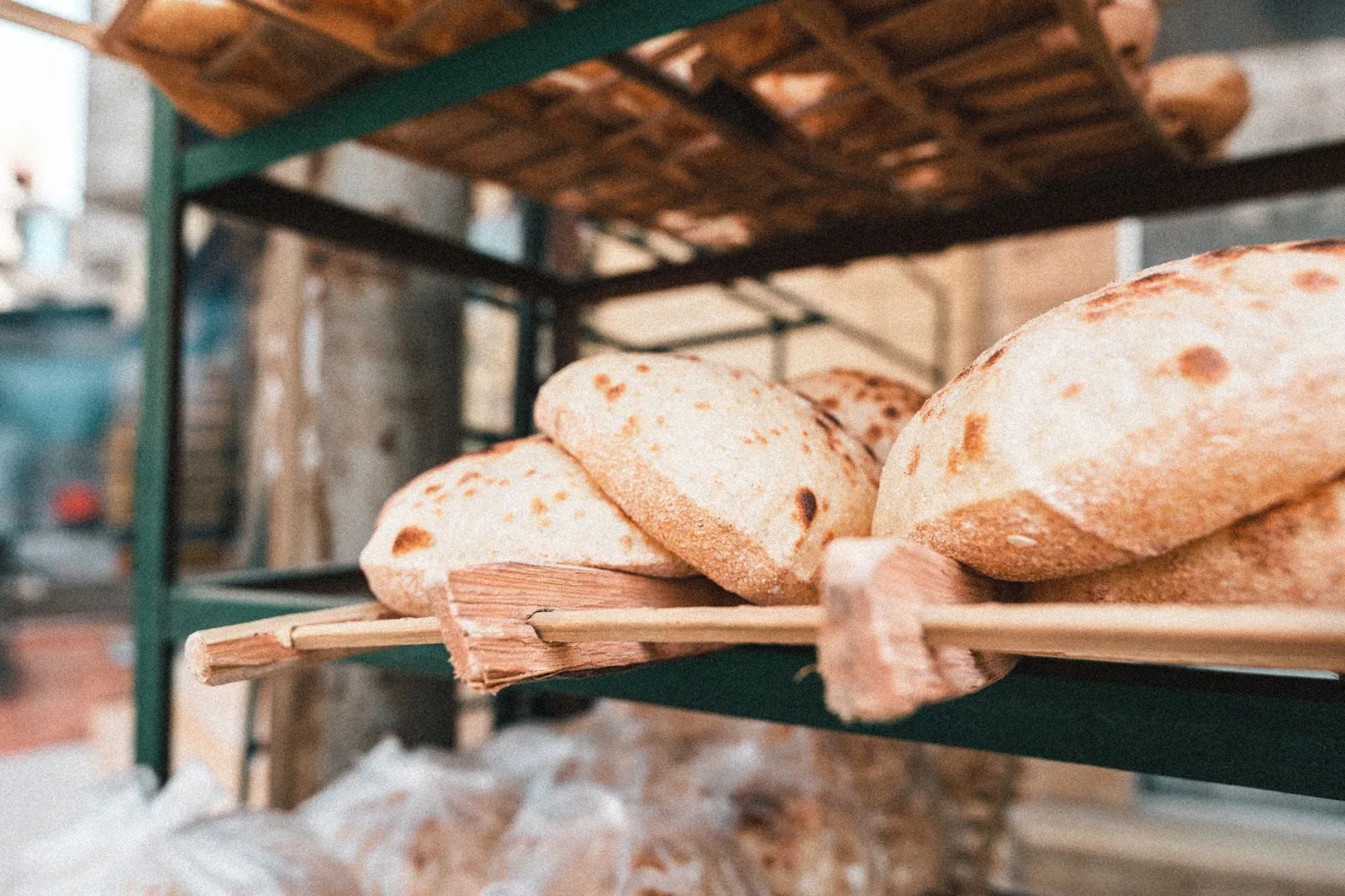
As you navigate through Cairo, pay attention to the variety of dishes offered. Each neighborhood may have its specialties. For example, in the historic district of Islamic Cairo, you might encounter dishes like fattah, which consists of rice, bread, and meat topped with vinegar and garlic sauce. On the other hand, in Giza, you may find street food stalls specializing in freshly made falafel. This diversity encourages you to explore different culinary experiences and understand the context of each dish.
5. Engaging with Local Chefs
Engaging with local chefs can provide invaluable insights into Cairo’s culinary traditions. Many chefs are passionate about their heritage and eager to share the stories behind their dishes. Participating in cooking classes or food tours can further enhance your understanding. For instance, you could join a workshop where a local chef teaches you how to make traditional Egyptian dishes, revealing not only the ingredients but also the cultural significance tied to them. For more on this topic, check out Cairo’s Culinary Conversations.

6. Preserving Culinary Knowledge
In an age where fast food dominates, preserving culinary knowledge becomes even more crucial. Encourage younger generations to participate in cooking family recipes. Important tip: start small, perhaps by making a simple dish together. This not only strengthens family bonds but also ensures that these culinary traditions are passed on. You can create a family cookbook, compiling recipes and stories that celebrate your culinary heritage.
7. The Role of Community in Culinary Traditions
Cairo’s culinary traditions thrive within the community. Local markets, such as Khan el-Khalili, are not just places to buy ingredients; they serve as cultural hubs where stories and recipes are exchanged. Engaging with vendors can lead to discovering unique ingredients and preparation methods, enriching your understanding of local cuisine. Common mistake: overlooking these markets in favor of supermarkets can lead you to miss out on authentic experiences.
Conclusion: Key Takeaways
Exploring the hidden culinary traditions of Cairo offers a unique perspective on the city’s rich history and vibrant culture. By engaging with local families, chefs, and markets, you can uncover forgotten recipes and the stories that breathe life into them. Remember, culinary traditions are not just about food; they embody the spirit of community and connection. As you embark on this culinary journey, take the time to appreciate the flavors, the stories, and the passion that make Cairo’s culinary landscape so extraordinary.