





Understanding Traditional Pottery
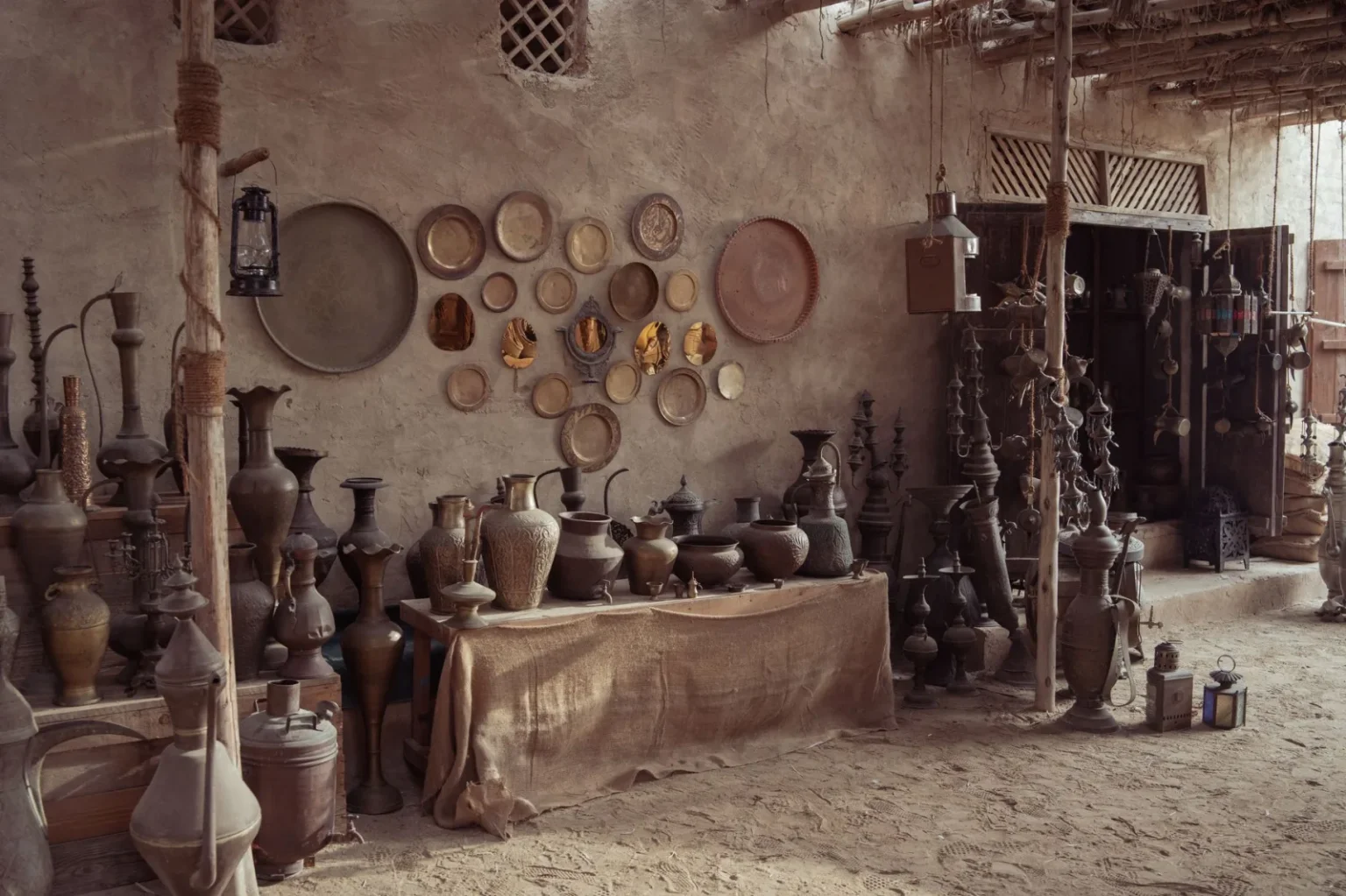
Traditional pottery refers to the art of crafting ceramic items using techniques passed down through generations. In the Arabian Peninsula, this craft is deeply intertwined with the region’s cultural heritage. To comprehend the significance of traditional pottery, you must recognize how it reflects the customs, values, and historical narratives of the communities that produce it.
- Understanding Traditional Pottery
- The Historical Context of Pottery in the Arabian Peninsula
- Materials and Techniques Used in Traditional Pottery
- The Revival of Traditional Pottery Techniques
- Preserving Cultural Heritage Through Pottery
- Exploring Pottery Markets and Workshops
- Challenges Facing Traditional Pottery Today
- Key Takeaways
The Historical Context of Pottery in the Arabian Peninsula
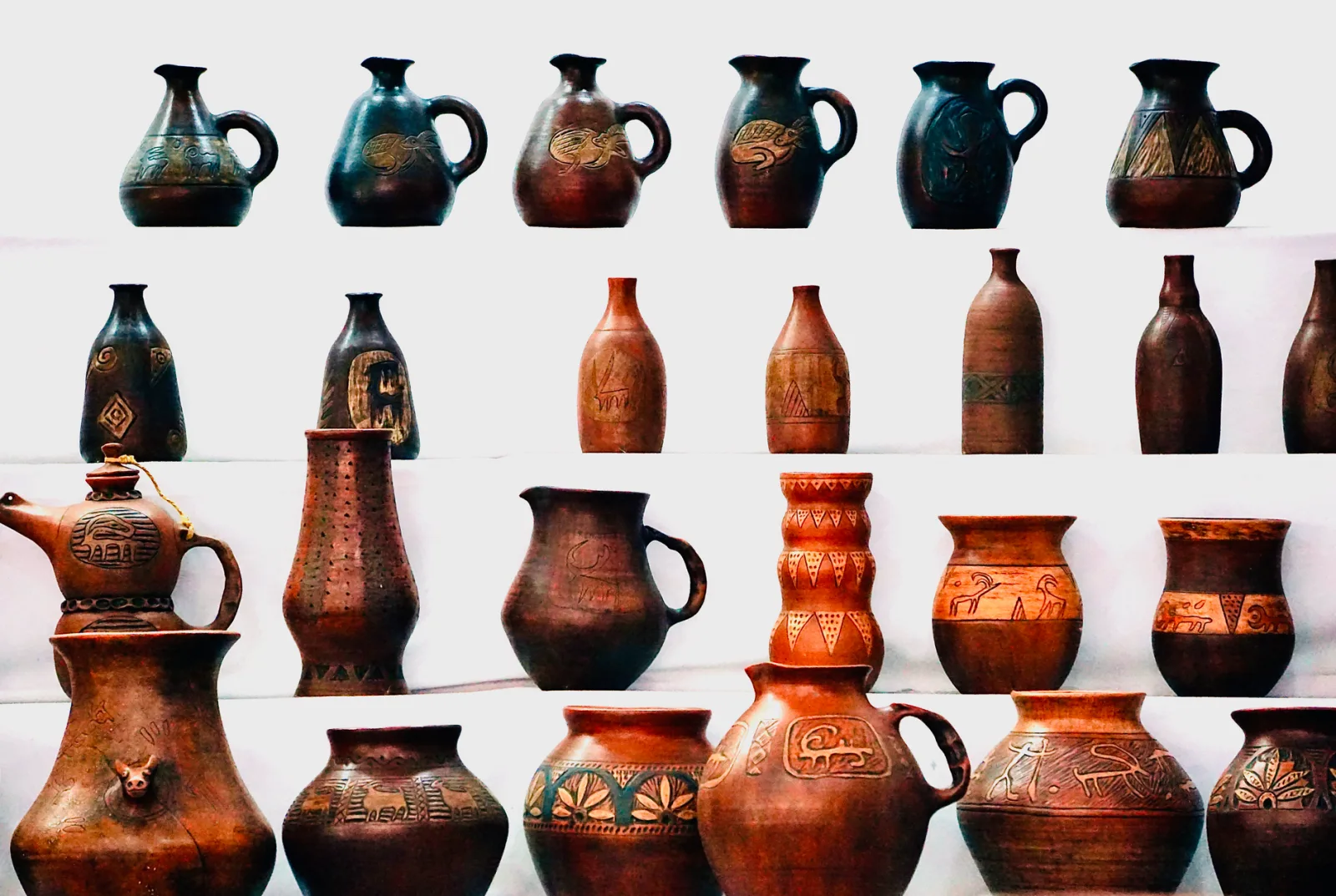
The Arabian Peninsula has a rich history of pottery-making dating back thousands of years. Archaeological evidence suggests that communities were creating pottery as early as the Neolithic period. This ancient craft was not merely functional; it served as a canvas for artistic expression and cultural identity. For instance, the intricate designs and colors used by potters often symbolize local beliefs, folklore, and traditions.
Materials and Techniques Used in Traditional Pottery
Potters in the Arabian Peninsula typically use clay sourced from local environments, which can vary significantly in texture and color. The selection of clay is crucial, as it influences the final product’s durability and aesthetic appeal. Once the clay is harvested, potters employ various techniques like hand-throwing, coiling, and slab-building to shape their creations. Each method has its unique nuances:
- Hand-throwing: This technique involves shaping the clay on a potter’s wheel. It requires skill and practice to achieve the desired symmetry and form.
- Coiling: This method uses long strands of clay that are stacked and smoothed together. It allows for more organic shapes and is often used for larger items.
- Slab-building: In this technique, flat pieces of clay are joined together to create the desired form. It’s particularly useful for making rectangular or angular items.
Understanding these techniques gives you insight into the craftsmanship behind each piece, highlighting the potter’s skill and creativity.
The Revival of Traditional Pottery Techniques
In recent years, there has been a resurgence in interest surrounding traditional pottery. This revival is often driven by a desire to reconnect with cultural heritage. Younger artisans are embracing these ancient techniques, ensuring they are not lost to time. For example, workshops and community classes are becoming popular, where experienced potters teach their craft to newcomers. This hands-on learning approach fosters a deeper appreciation for the art form and its historical significance.

Preserving Cultural Heritage Through Pottery
Pottery serves as a tangible link to the past, preserving traditions that might otherwise fade away. By engaging with traditional pottery, you can contribute to the preservation of cultural heritage. Many potters infuse contemporary themes into their work while maintaining traditional methods. This blending of old and new helps keep the craft relevant in modern society, attracting a broader audience.
Exploring Pottery Markets and Workshops
If you’re interested in experiencing traditional pottery firsthand, visiting local markets and workshops in the Arabian Peninsula can be rewarding. Markets often showcase a variety of pottery styles, from functional kitchenware to decorative art pieces. Engaging with artisans provides insight into their techniques and inspirations, allowing you to appreciate the effort behind each creation. Here are some tips for your visit:
- Research local potters: Look for artisans who specialize in traditional techniques. Their stories often enrich the experience.
- Participate in workshops: Many potters offer classes where you can try your hand at pottery making. This can be a fun and educational activity.
- Ask questions: Don’t hesitate to engage with potters about their methods and inspirations. Most are passionate about sharing their craft.
Challenges Facing Traditional Pottery Today
Despite its revival, traditional pottery faces challenges such as globalization and the mass production of cheaper alternatives. Many artisans struggle to compete with factory-made goods, which are often more affordable but lack the uniqueness of handcrafted items. Additionally, the younger generation may be drawn to modern careers, leaving fewer artisans to carry on traditional techniques. Addressing these challenges requires community support and initiatives to promote the value of handcrafted pottery.
Key Takeaways
Traditional pottery in the Arabian Peninsula is a fascinating cultural heritage that reflects the region’s history and identity. Understanding the materials, techniques, and challenges faced by potters can deepen your appreciation for this craft. By supporting local artisans and participating in workshops, you contribute to the preservation of these ancient techniques. As you explore traditional pottery, remember that each piece tells a story — a story of the land, the people, and the traditions that shape it.