





Understanding Artisan Markets
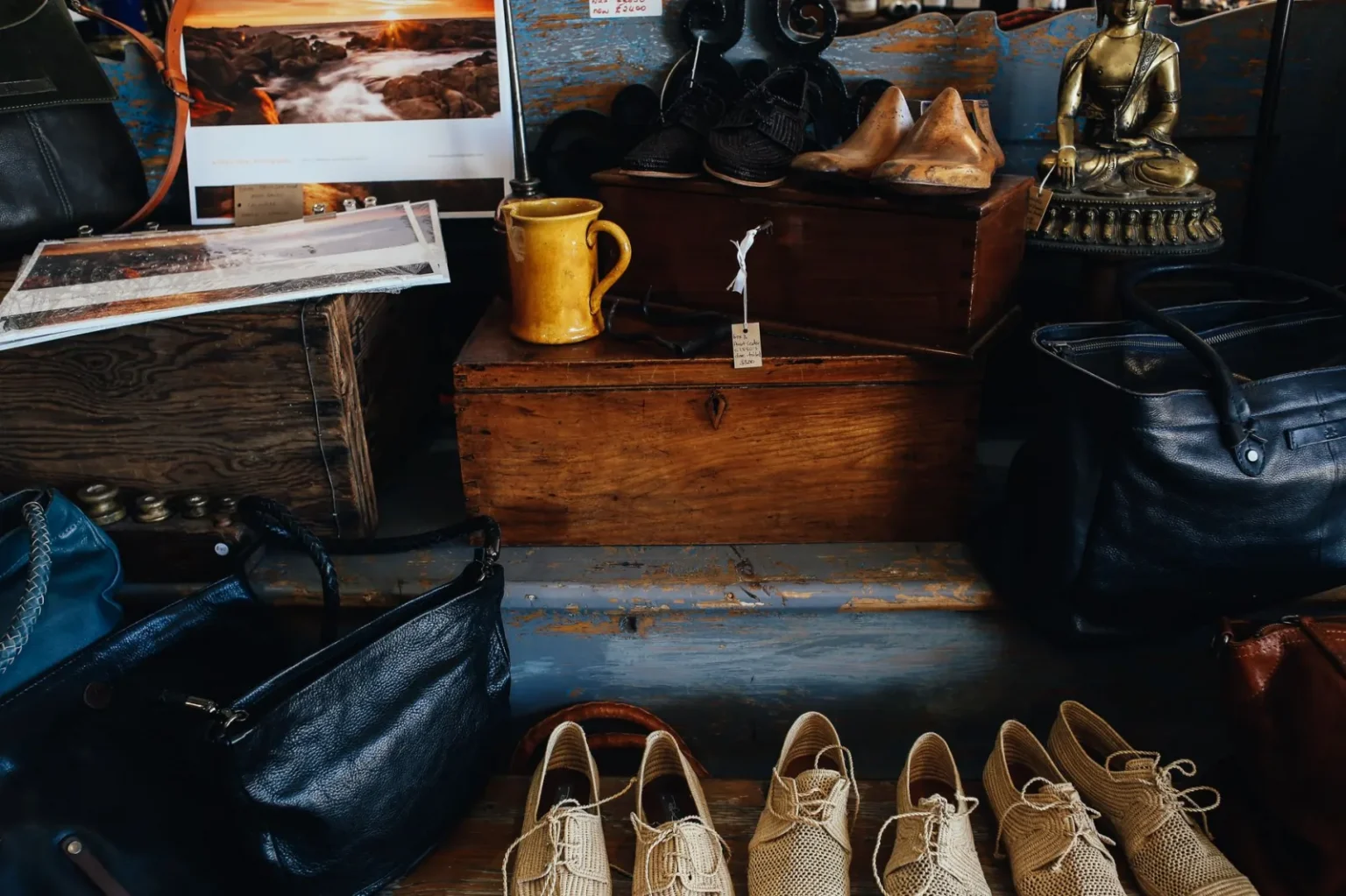
Artisan markets are vibrant spaces where local craftspeople showcase their unique creations. Unlike mass-produced goods, these handcrafted treasures reflect the culture, history, and craftsmanship of the region. In the Arabian Peninsula, these markets are often tucked away from the bustling tourist spots, offering you a chance to experience authentic traditions and support local artisans.
- Understanding Artisan Markets
- Why Explore Artisan Markets?
- The Best Hidden Artisan Markets in the Arabian Peninsula
- How to Navigate Artisan Markets
- Understanding the Value of Handcrafted Treasures
- Tips for Collecting Handcrafted Treasures
- Connecting with Local Culture Through Art
- Conclusion: Embrace the Journey
Why Explore Artisan Markets?
Visiting artisan markets allows you to engage with local cultures on a deeper level. You might discover traditional crafts like pottery, weaving, and jewelry-making, each telling a story of its origin. For instance, a handmade Persian carpet can take months to craft, showcasing intricate designs that represent the artisan’s heritage. Engaging with artisans provides insight into their techniques and the significance behind their work.
The Best Hidden Artisan Markets in the Arabian Peninsula
Here’s a guide to some of the most notable artisan markets across the Arabian Peninsula:
1. Souq Al-Mubarakiya, Kuwait City
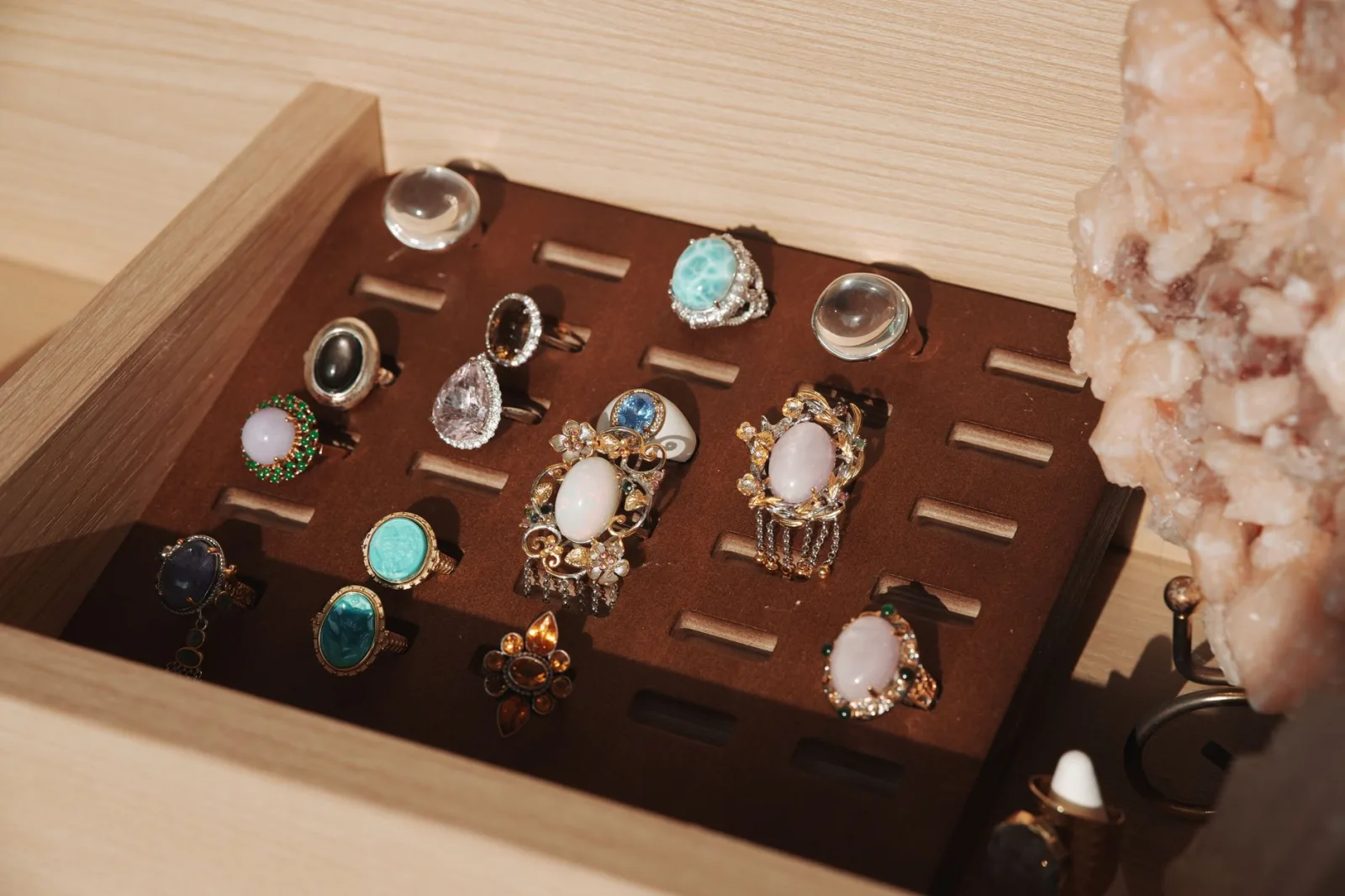
This market is a treasure trove of local crafts, spices, and traditional foods. You can wander through narrow lanes lined with stalls selling everything from handmade jewelry to intricate textiles. Important note: Visit on weekends for the best experience, as vendors are more likely to be present, and the market is livelier.
2. Al Zubarah Fort Market, Qatar
Located near the historic Al Zubarah Fort, this market offers a glimpse into the traditional Qatari lifestyle. You’ll find local artisans selling handcrafted pottery and textiles. Pro tip: Combine your visit with a tour of the fort for a richer understanding of the region’s history.
3. Muttrah Souq, Muscat, Oman
Famed for its vibrant atmosphere, the Muttrah Souq is one of the oldest markets in Oman. Here, you can explore a variety of stalls selling silver jewelry, frankincense, and traditional Omani khanjars (daggers). Common mistake: Bargaining is expected, so don’t shy away from negotiating prices.
4. Al Ain Camel Market, UAE
While primarily known for its camels, this market also features local crafts and traditional clothing. Visiting this market offers a unique perspective on Bedouin culture. Additionally, you may find artisans selling handmade camel-related products, such as saddles and woven blankets.
5. Jeddah’s Souq Al-Alawi, Saudi Arabia
This bustling market is filled with colorful stalls selling everything from spices to clothing. It’s an excellent spot for finding handcrafted items, especially traditional Saudi garments. Warning: Be prepared for crowds, especially on weekends.
How to Navigate Artisan Markets
To get the most out of your artisan market experience, consider these practical steps:
- Research Before You Go: Familiarize yourself with the market’s layout and the types of crafts available. This will help you prioritize your time.
- Engage with Artisans: Don’t hesitate to ask questions about their craft. Most artisans are happy to share their stories and techniques.
- Support Local: Purchase directly from artisans if possible. This ensures that your money goes back into the community.
- Be Respectful: Remember that these markets are often cultural hubs. Dress appropriately and be mindful of local customs.
Understanding the Value of Handcrafted Treasures
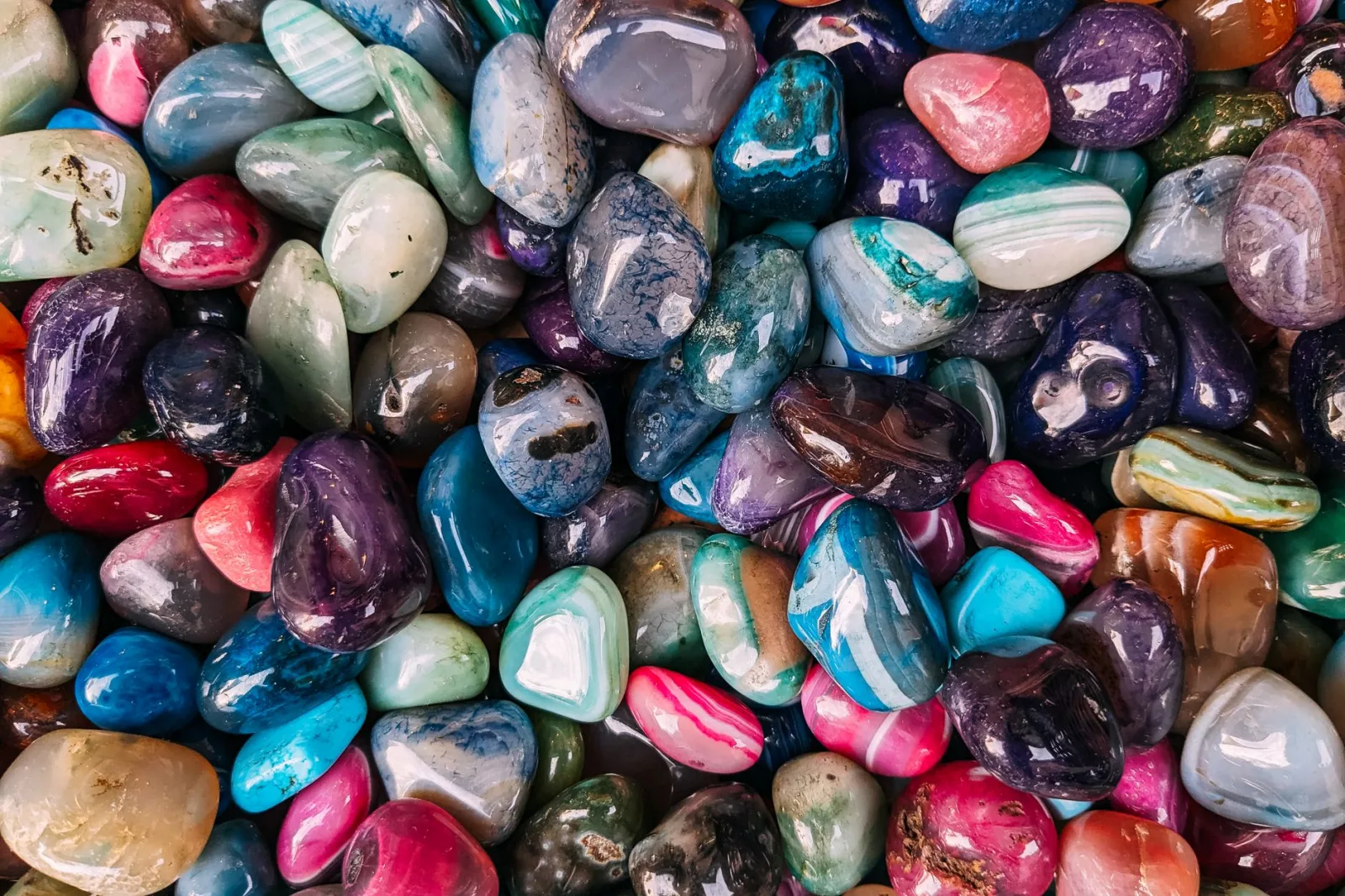
Handcrafted treasures hold intrinsic value beyond their physical form. Each piece represents countless hours of labor and skill, often passed down through generations. For example, a handwoven rug from a specific region may incorporate patterns that have historical significance. Therefore, every purchase not only supports the artisan but also preserves cultural heritage.
Tips for Collecting Handcrafted Treasures
If you’re interested in starting your collection of handcrafted items, here are some important tips:
- Start Small: Begin with one or two items that resonate with you. This makes it easier to appreciate your collection over time.
- Document Your Finds: Take notes or photographs detailing the artisans and stories behind your purchases. This adds personal significance to your collection.
- Consider Quality Over Quantity: Focus on acquiring pieces that are well-made and meaningful, rather than simply filling your space with items.
Connecting with Local Culture Through Art
Artisan markets are not just about shopping; they’re about connecting with the local culture. By supporting artisans, you contribute to the preservation of traditional crafts. You may also discover new forms of art that resonate with you. For instance, pottery techniques in Oman may differ significantly from those in Saudi Arabia, showcasing the diversity of craftsmanship in the region.
Conclusion: Embrace the Journey
Exploring the hidden artisan markets of the Arabian Peninsula offers a unique opportunity to experience the rich tapestry of local cultures. By engaging with artisans and purchasing handcrafted treasures, you not only enrich your own life but also support the communities behind these unique creations. Remember, the journey through these markets is as valuable as the treasures you find. As you plan your next trip, consider adding these markets to your itinerary for an authentic experience that transcends traditional tourism.
Key takeaways include understanding the significance of artisan markets, knowing where to find them, and appreciating the craftsmanship behind each piece. So, whether you’re in Kuwait, Qatar, Oman, or Saudi Arabia, take the time to explore these hidden gems and bring home a piece of authentic culture.