How to Create a Personalized Travel Timeline: Planning Your Journey Step by Step
By
Share
Understanding the Importance of a Travel Timeline
A travel timeline is not just a schedule; it’s your roadmap for a successful journey. It allows you to visualize each phase of your trip, ensuring that you allocate time for travel, exploration, and relaxation. By creating a personalized travel plan, you can enhance your travel experience and reduce the chances of missing out on key attractions or activities.
Before crafting your travel timeline, pinpoint what you want to achieve during your trip. Are you looking to explore historical sites, experience local culture, or simply unwind on a beach? Defining your goals will help you prioritize activities and allocate time accordingly. For example, if your aim is to immerse yourself in local cuisine, you might schedule cooking classes or food tours.
Your chosen location significantly affects your timeline. Research potential destinations that align with your travel goals. Consider factors such as travel distance, local culture, and seasonal weather. For instance, if you’re planning a trip to Europe, you may want to include cities that are geographically close to minimize travel time and maximize exploration time. This is particularly relevant if you plan to visit multiple countries.
Step 3: Determine Your Travel Dates
Establishing when you will travel is crucial. Check for local events or festivals that might enhance your experience but also consider peak tourist seasons that could lead to crowded attractions. For example, visiting Paris during the spring can be magical due to the blooming flowers, but it may also mean larger crowds at popular sites. Therefore, weigh the pros and cons of your selected dates.
Step 4: Outline Your Daily Itinerary
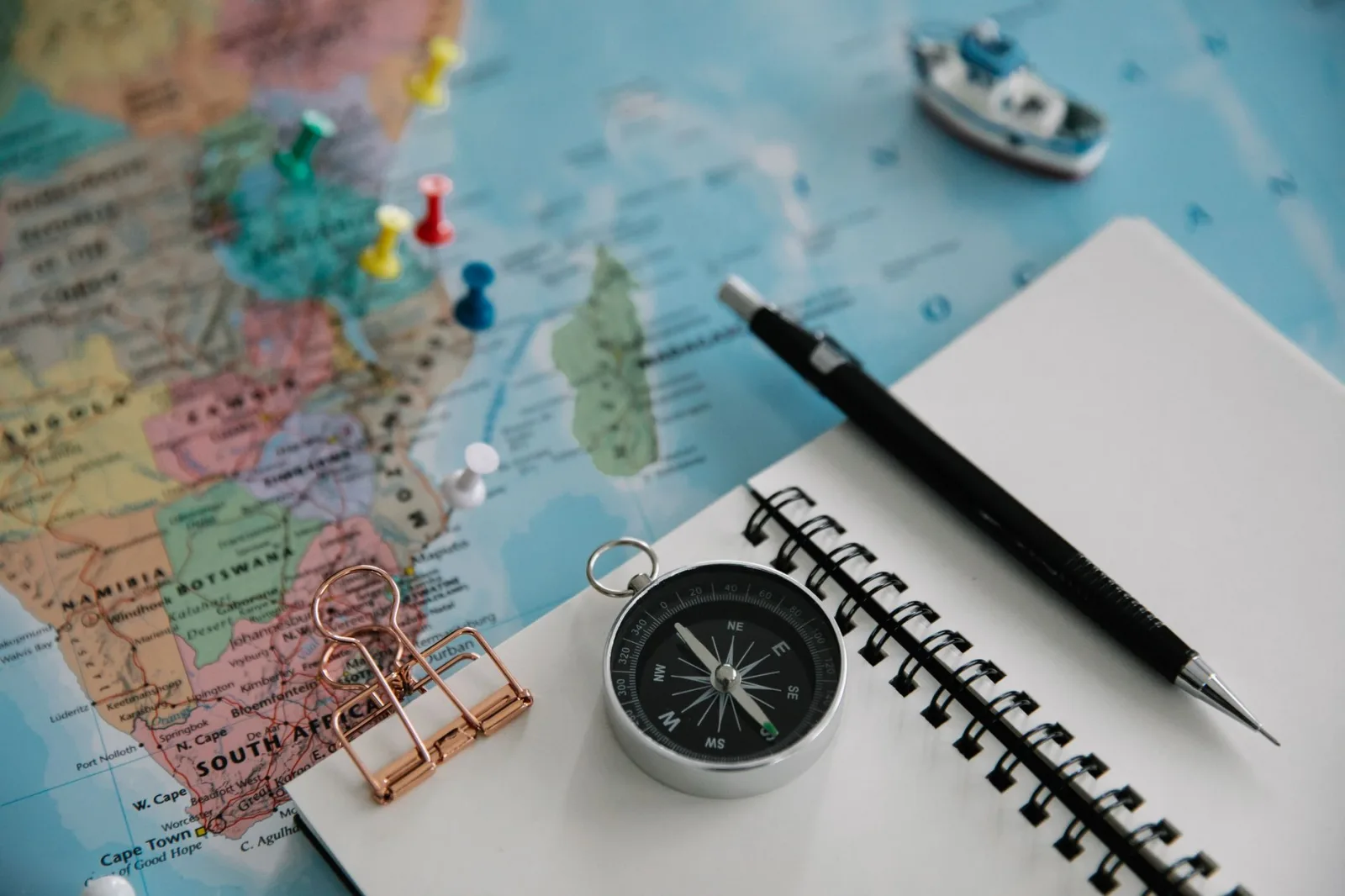
Once you have your goals, destination, and dates, start outlining a daily itinerary. Begin with major attractions or activities you don’t want to miss, then fill in the gaps with smaller, spontaneous ideas. A common mistake is to over-schedule your days, leaving little time for relaxation or unexpected discoveries. Therefore, aim for a balanced approach with both planned activities and free time.
📷 Leah Newhouse – Pexels
Step 5: Factor in Logistics
Logistics can make or break your travel timeline. Consider transportation options between destinations and the time it takes to get from one place to another. Use online tools or apps to estimate travel times. For example, if you’re traveling from Barcelona to Madrid, the high-speed train could save you time compared to driving. Additionally, ensure that you account for check-in times at accommodations and any necessary downtime.
Step 6: Create a Flexible Timeline
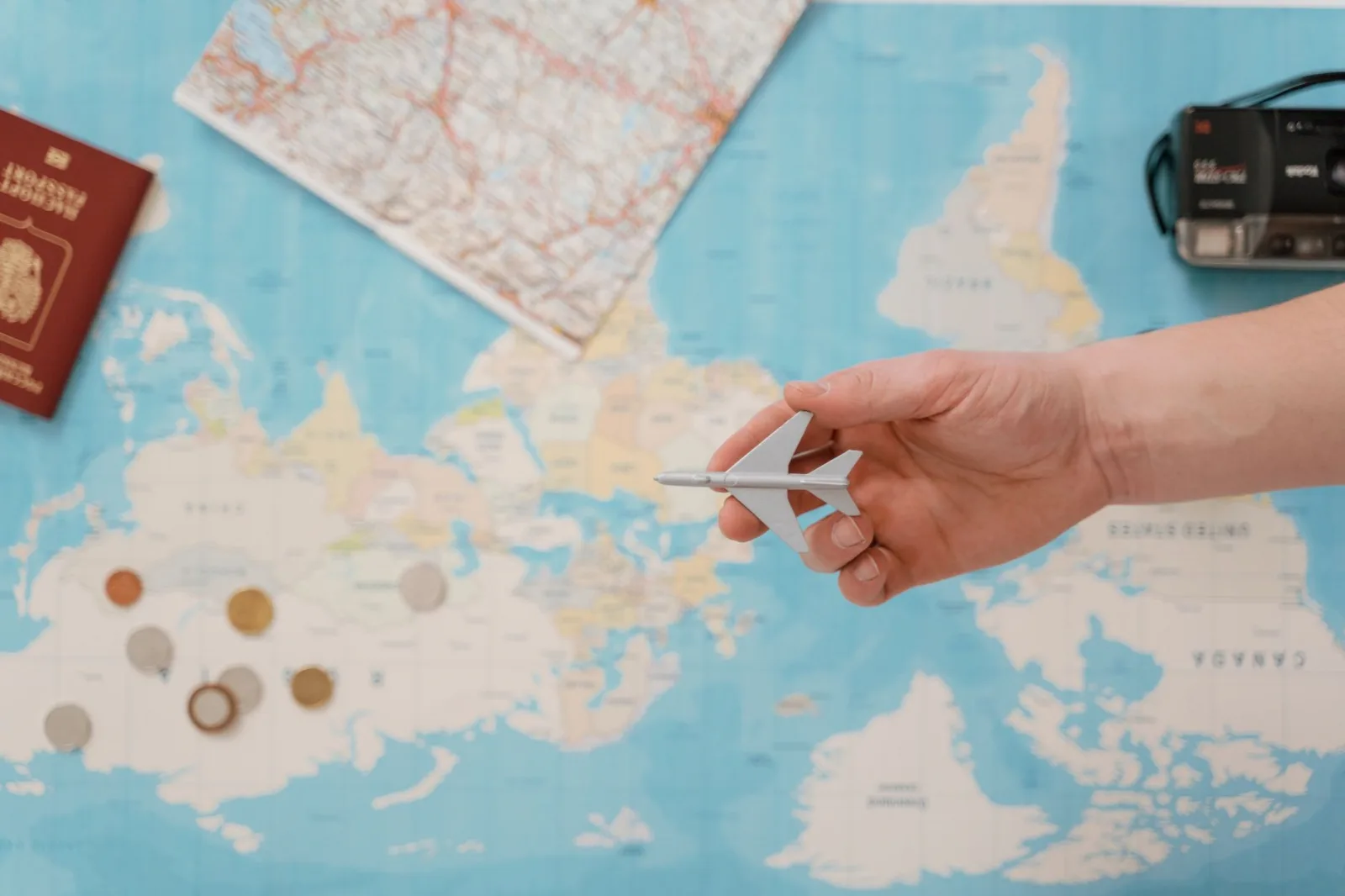
While it’s essential to have a structured timeline, flexibility is key to enjoying your trip. Allow room for spontaneity by including buffer times between activities. If you discover a local market or a scenic view, you’ll want the freedom to explore without feeling rushed. Therefore, build in some “free” hours where you can decide on the spot what to do next.
📷 Tima Miroshnichenko – Pexels
Step 7: Review and Adjust
Once your travel timeline is drafted, review it to ensure it meets your expectations and goals. Seek feedback from travel companions if applicable. Adjust the timeline based on their input or any new information you gather during your research. Pro tip: Keep your timeline accessible on your phone or a travel app so you can make real-time adjustments as needed.
Important Considerations
Keep in mind the significance of being realistic in your planning. A well-structured travel timeline will not only help you make the most of your trip but also alleviate stress that can arise from last-minute decisions. Also, remember to consider cultural etiquette and local customs when planning activities, as these factors can greatly enhance your travel experience. For additional insights into navigating cultural norms, check out Navigating Cultural Etiquette: Essential Do’s and Don’ts for Travelers.
Conclusion: Key Takeaways for Your Travel Timeline
Creating a personalized travel timeline involves several steps: defining your goals, choosing destinations, determining travel dates, outlining an itinerary, factoring logistics, maintaining flexibility, and reviewing your plan. By following these steps, you’ll craft a comprehensive roadmap for your trip that balances structured activities with the joy of exploration. Remember, the ultimate goal is to enjoy your journey while ensuring that you accomplish what you set out to do. Happy travels!