





Unveiling the Hidden Healing Gardens
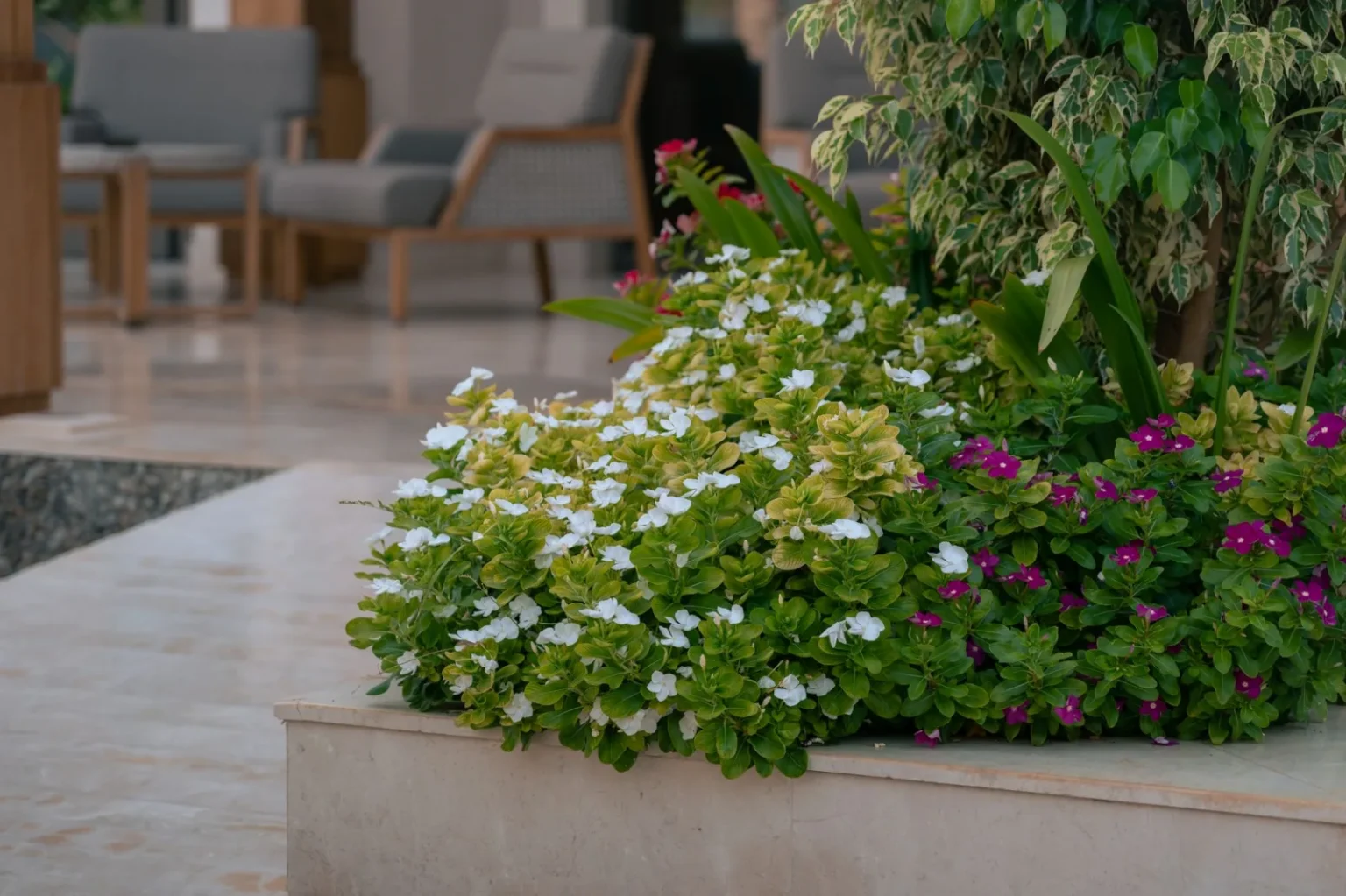
The Arabian Peninsula, often associated with vast deserts and bustling urban centers, is home to a variety of hidden healing gardens that provide much-needed sanctuaries for those seeking peace and rejuvenation. These gardens are not only aesthetically pleasing but also serve as therapeutic spaces promoting mental and physical well-being. In this exploration, we will uncover what makes these gardens unique and how you can benefit from visiting them.
The Therapeutic Benefits of Gardens
Gardens have long been recognized for their therapeutic properties. Scientific studies suggest that spending time in natural environments can reduce stress, enhance mood, and improve overall health. The presence of greenery, the sound of water, and the fragrance of flowers can stimulate the senses, leading to a calming effect.
For instance, a study by the University of Queensland found that participants who spent time in gardens reported lower levels of stress and anxiety. This underscores the idea that nature serves as a powerful antidote to the fast-paced lifestyle many lead today.
Where to Find Hidden Healing Gardens
Let’s explore a few notable hidden healing gardens across the Arabian Peninsula:
- Al Ain Oasis, UAE: Nestled within the city of Al Ain, this UNESCO World Heritage site features over 1,000 date palms and a network of shaded pathways. Walking through this oasis, you can appreciate the ancient falaj irrigation system while enjoying the tranquility it offers. Pro tip: Visit early in the morning to avoid the heat and enjoy the birds singing.
- Jebel Akhdar, Oman: Known as the Green Mountain, Jebel Akhdar is famous for its terraced gardens filled with pomegranates and roses. The cool climate here makes it a perfect spot for relaxation and exploration. Important note: Ensure you have the right permits if you plan to trek in this area.
- Al Hoota Cave, Oman: While primarily known for its limestone caves, the surrounding gardens are often overlooked. This area combines remarkable geological formations with lush greenery, making it an ideal escape. Warning: Be cautious of uneven terrain as you explore.
Elements of a Healing Garden
A healing garden typically contains several key elements that promote relaxation and healing:
- Water Features: The sound of flowing water can be incredibly soothing. Look for gardens with fountains, ponds, or streams.
- Diverse Flora: A variety of plants offers visual and sensory stimulation. Aromatic herbs and colorful flowers can uplift the spirit.
- Seating Areas: Comfortable benches or shaded spots allow for rest and reflection. Finding a quiet place to sit can enhance your experience.
How to Engage with Healing Gardens
Visiting a healing garden is about more than just sightseeing; it’s an opportunity to engage with nature on a deeper level. Here are steps you can take to maximize your experience:
- Take a Mindful Walk: Instead of rushing through, take your time to notice the different plants, smells, and sounds. Practicing mindfulness can significantly enhance your connection to nature.
- Practice Deep Breathing: Find a quiet spot and take a few moments to breathe deeply. Inhale the fresh air and exhale any tension. This simple practice can ground you.
- Journal Your Experience: Consider bringing a journal to document your thoughts and feelings as you explore. Writing can be a therapeutic way to process your experience.
Combining Cultural Experiences with Nature
Many of these hidden healing gardens are located near cultural or historical sites, allowing you to enrich your visit. For example, while exploring Al Ain Oasis, you can also visit the nearby Al Ain National Museum to learn about the region’s rich heritage. This combination of cultural immersion and natural beauty enhances your understanding and appreciation of the area.
Planning Your Visit
To ensure a fulfilling experience, here are some practical tips:
- Check Accessibility: Some gardens may require a permit or be located in remote areas. Researching ahead can save you time.
- Dress Appropriately: The Arabian Peninsula can be hot, so wear comfortable clothing and sturdy shoes. Consider bringing a hat and sunscreen.
- Stay Hydrated: Carry water with you, especially during warmer months. Dehydration can quickly detract from your experience.
Conclusion: Embrace Nature’s Therapeutic Gifts
Exploring the hidden healing gardens of the Arabian Peninsula reveals the profound connection between nature and well-being. These therapeutic sanctuaries invite you to step away from the chaos of everyday life and immerse yourself in the calming embrace of the natural world. As you plan your visits, remember to engage with your surroundings, practice mindfulness, and appreciate the beauty that lies within these hidden gems. Whether you are seeking peace, reflection, or a deeper connection to your surroundings, these gardens offer a unique opportunity for healing and rejuvenation.
For further exploration of the Arabian Peninsula, consider also diving into the hidden cultural trails and culinary workshops that enrich your understanding of this diverse region.