





Understanding Cairo Superstitions
Cairo is a city steeped in history, where ancient traditions meet the pulse of modern life. Among these traditions are numerous superstitions that inform how locals interact with their environment. These beliefs often stem from a mix of ancient Egyptian customs, Islamic practices, and the influences of various cultural groups that have settled in the region. Understanding these superstitions gives you deeper insight into local life, enhancing your travel experience.
- Understanding Cairo Superstitions
- The Roots of Local Beliefs
- Common Superstitions You Might Encounter
- How Superstitions Influence Daily Life
- Superstitions in Celebrations and Rituals
- Exploring the Cultural Traditions Behind Superstitions
- Practical Tips for Navigating Local Superstitions
- Conclusion: Embracing the Unseen
The Roots of Local Beliefs
Superstitions in Cairo often reflect the city’s complex history. For instance, many locals hold beliefs derived from ancient Egyptian mythology. Cats, revered in ancient times, are still considered symbols of good luck. When visiting homes, you may observe that cats are treated with great respect, often given free roam of the space. This respect highlights a connection to the past that many locals cherish.
Common Superstitions You Might Encounter
Cairo’s streets are alive with superstitions that you might encounter daily. Here are a few common ones:
- Breaking a Mirror: Many Egyptians believe that breaking a mirror brings seven years of bad luck. This belief can lead to cautious handling of reflective surfaces, particularly in homes and shops.
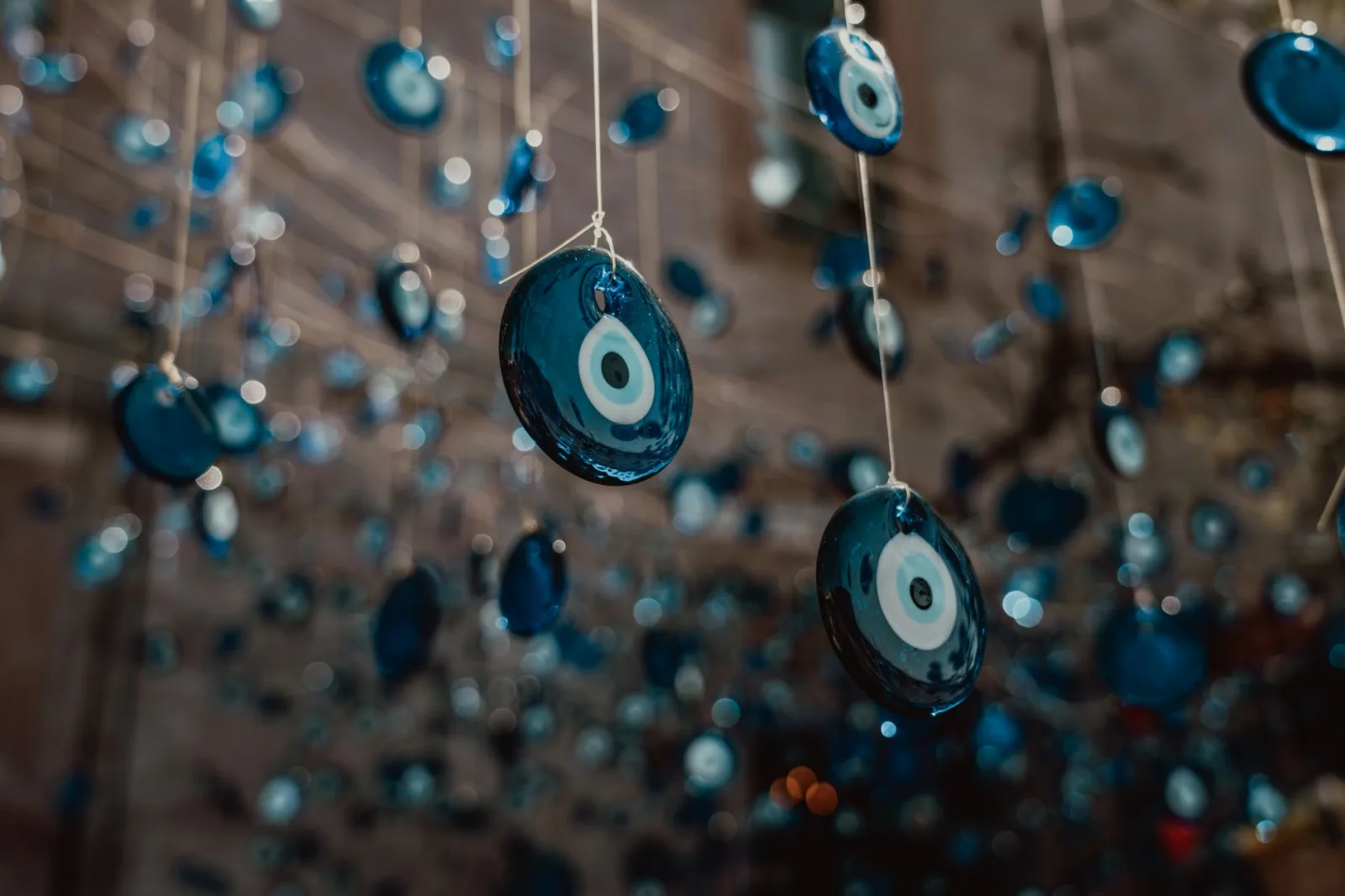
- Red Thread: A red thread worn around the wrist is thought to ward off the evil eye. You may notice locals sporting these threads, especially among children.
- Spilling Salt: If salt is spilled, it’s often seen as a sign of impending arguments. To counteract this, many will throw a pinch of the spilled salt over their left shoulder, a gesture believed to ward off bad luck.
- The Number 13: Similar to many cultures, the number 13 is considered unlucky. You might find buildings skipping the 13th floor altogether.
How Superstitions Influence Daily Life
These superstitions permeate daily life in Cairo. For example, when making major decisions like marriage or business ventures, many locals consult a religious leader or an elder for advice. This practice intertwines with superstitions about auspicious dates and numbers, ensuring that decisions align with favorable beliefs.
Superstitions in Celebrations and Rituals
Superstitions also play a significant role in local celebrations. During weddings, for instance, the bride may perform certain rituals to ward off evil spirits. These may include wearing specific jewelry or performing a dance designed to bring good fortune. Understanding these practices can enrich your experience when attending a local wedding or celebration.
Exploring the Cultural Traditions Behind Superstitions
To delve deeper into Cairo’s superstitions, you should consider exploring local markets and community gatherings. For instance, visiting artisan markets can provide a glimpse into how local craftspeople incorporate superstitions into their work. These markets, such as those highlighted in our guide to Cairo’s Artisan Markets, often showcase items believed to carry protective qualities, from amulets to handcrafted talismans.
Practical Tips for Navigating Local Superstitions
As you navigate Cairo, here are some practical tips to help you respect and engage with local superstitions:
- Observe and Learn: Pay attention to how locals react to certain situations, especially involving superstitions. This will give you insights into cultural norms.
- Ask Questions: Don’t hesitate to ask your hosts or guides about local beliefs. Most are happy to share their cultural heritage.
- Be Respectful: If invited to a local home, show respect for their superstitions. For instance, avoid discussing topics like breaking mirrors or other unlucky scenarios.
Conclusion: Embracing the Unseen
By understanding Cairo’s superstitions and their cultural roots, you enrich your travel experience and gain respect from the local community. These beliefs are more than just quirks; they are deeply woven into the fabric of everyday life. Remember, as you explore Cairo, being open and respectful to these traditions can lead to meaningful interactions and a more authentic travel experience.
Important note: Engaging with local superstitions can offer a unique lens through which to view the culture. However, it’s essential to approach these topics with sensitivity and an open mind. Whether you’re exploring the bustling streets or local artisan markets, these unseen aspects of Cairo are keys to understanding its vibrant life.