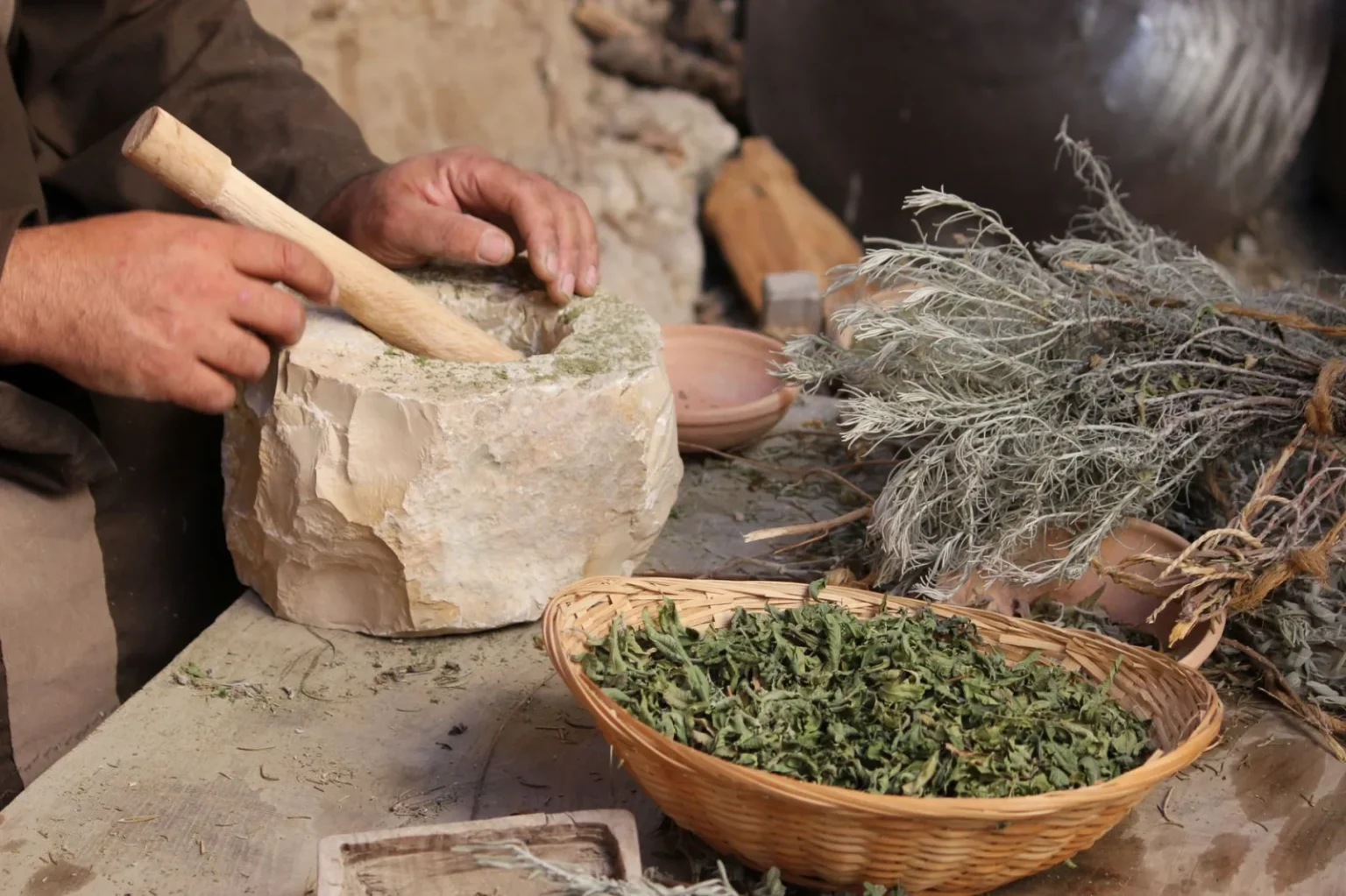
Herbal remedies have long been a cornerstone of natural medicine in the Arabian Peninsula, a region rich in diverse flora. These remedies often draw from centuries of traditional knowledge, passed down through generations. In contrast to mainstream pharmaceuticals, herbal remedies focus on harnessing the healing properties of plants. For example, the use of frankincense resin for its anti-inflammatory effects is a practice rooted in ancient Arabian traditions.
The Arabian Peninsula’s unique climate and terrain contribute to a variety of medicinal plants. From the arid deserts to the coastal areas, you can find numerous herbs that have been used for their therapeutic benefits. Consider the plant Artemisia herba-alba, commonly known as white wormwood. This herb is often used to relieve digestive issues and may also act as an antiseptic.
📷 Yan Krukau – Pexels
Step 1: Identifying Common Herbal Remedies
To begin your journey into herbal remedies, familiarize yourself with some commonly used plants in the region. Here are a few examples:
Sidr (Ziziphus spina-christi): Traditionally used for its antibacterial properties, Sidr leaves are often brewed into a tea.
Black Seed (Nigella sativa): Known locally as habbat al-barakah, this seed is praised for its immune-boosting benefits.
Chamomile (Matricaria chamomilla): Frequently used for its calming effects, it may help you sleep better when consumed as a tea.
Each of these plants offers distinct therapeutic benefits, which can be utilized in various forms, such as teas, tinctures, or poultices.
Step 2: Preparing Herbal Remedies
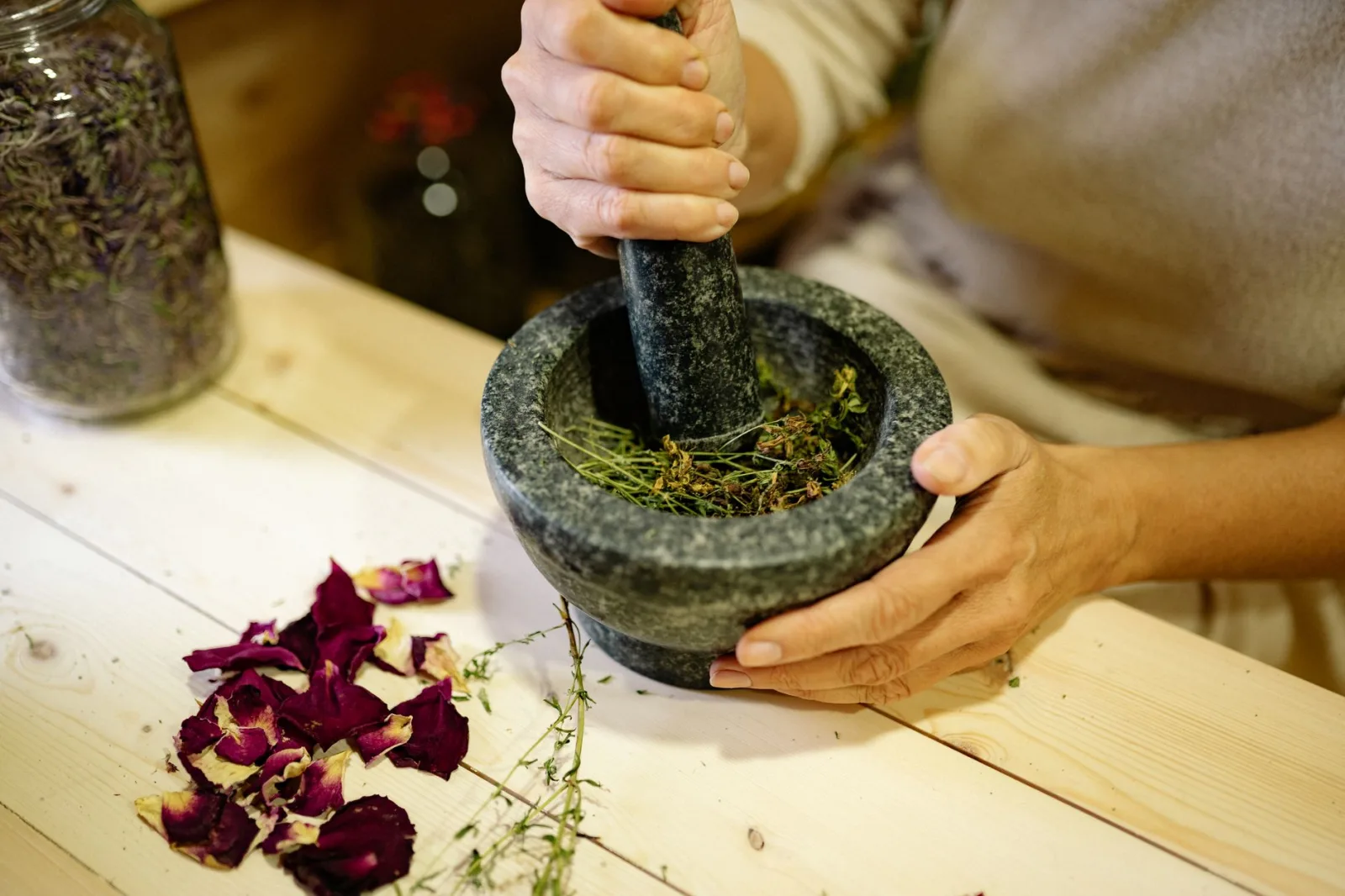
Once you’ve identified the herbs you want to work with, the next step is preparation. Here’s how you can prepare a simple herbal tea using Sidr leaves:
Gather fresh or dried Sidr leaves.
Boil water in a pot.
Add the Sidr leaves to the boiling water and let it steep for 5-10 minutes.
Strain the leaves and enjoy your tea, potentially adding honey for sweetness.
This method highlights how easy it is to incorporate herbal remedies into your daily routine.
Common Mistakes to Avoid
When exploring herbal remedies, it’s important to be cautious. Here are some common mistakes to avoid:
Ignoring Dosages: Just because something is natural doesn’t mean it’s always safe. Always follow recommended dosages.
Assuming All Herbs Are Safe: Some herbs can interact negatively with medications. Always consult a healthcare professional if unsure.
Neglecting Quality: Ensure that the herbs you use are sourced from reputable suppliers to avoid contaminants.
By being mindful of these potential pitfalls, you can safely explore the world of herbal remedies.
📷 Kate Trysh – Pexels
Step 3: The Role of Local Knowledge
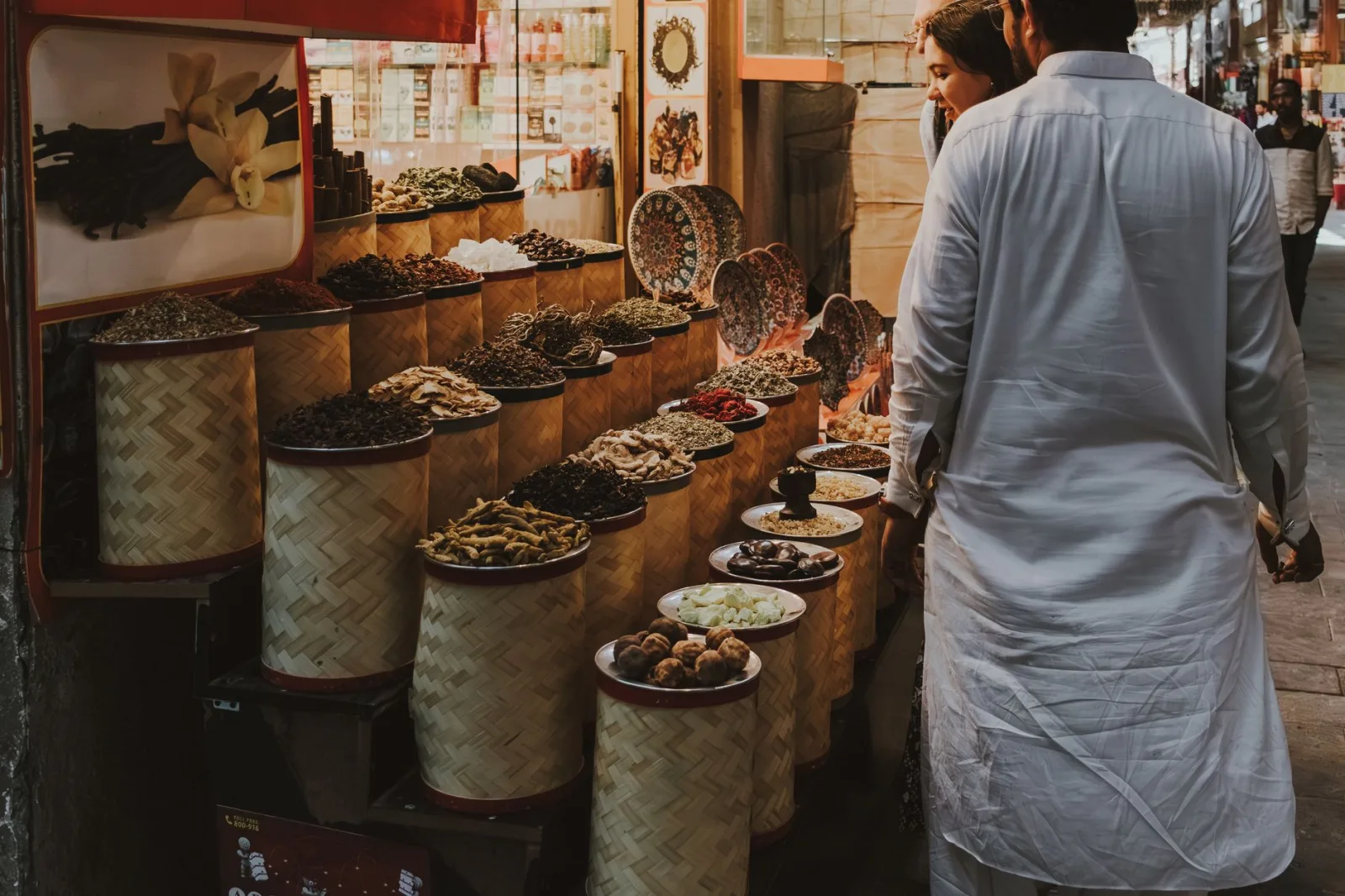
Engaging with local communities can enhance your understanding of herbal remedies significantly. Often, local practitioners possess invaluable knowledge about the practical uses of herbs. For instance, you may find that local healers utilize Black Seed in ways that are not commonly documented in literature. Engaging in conversations can lead to discovering unique methods of preparation or application.
Exploring the Cultural Context
Herbal remedies in the Arabian Peninsula are not only about healing but are also intertwined with cultural practices. For example, the use of herbs in traditional rituals or during significant life events can provide insight into their importance. Understanding these contexts can deepen your appreciation for the remedies and their role in the community. This cultural significance is akin to learning about the hidden culinary traditions of the region, which you can explore further in our article on Discovering the Hidden Culinary Traditions of the Arabian Peninsula.
📷 Nataliya Vaitkevich – Pexels
Step 4: Documenting Your Journey
As you explore herbal remedies, keep a journal of your experiences. Document the herbs you use, how you prepare them, and any effects you notice. This practice not only helps you track what works best for you but also builds a valuable resource for future reference. You may find that certain remedies are more effective for you than others, and journaling can clarify these observations.
Step 5: The Future of Herbal Remedies
With a growing interest in natural medicine, the future of herbal remedies in the Arabian Peninsula looks promising. Scientific research is increasingly validating traditional uses, paving the way for more widespread acceptance and use. Moreover, as people seek alternatives to synthetic medications, herbal remedies may become more mainstream. This shift could also lead to a resurgence in local knowledge, as younger generations may feel inspired to learn from their elders.
Warning: Ethical Considerations
While exploring herbal remedies, it’s essential to consider the ethical implications of harvesting wild plants. Overharvesting can threaten local ecosystems. Always source herbs sustainably, and where possible, grow your own. This practice not only ensures a steady supply but also contributes to conservation efforts.
Key Takeaways
Exploring the hidden herbal remedies of the Arabian Peninsula offers a fascinating glimpse into the region’s natural medicine. By identifying common herbs, preparing remedies, engaging with local knowledge, and documenting your experiences, you can enrich your understanding of these natural treasures. Remember to approach your exploration with caution and respect for both the plants and the cultural practices that surround them. The journey into herbal remedies is not just about healing but also about connecting with the rich heritage of the Arabian Peninsula.