





Understanding Wildlife Sanctuaries
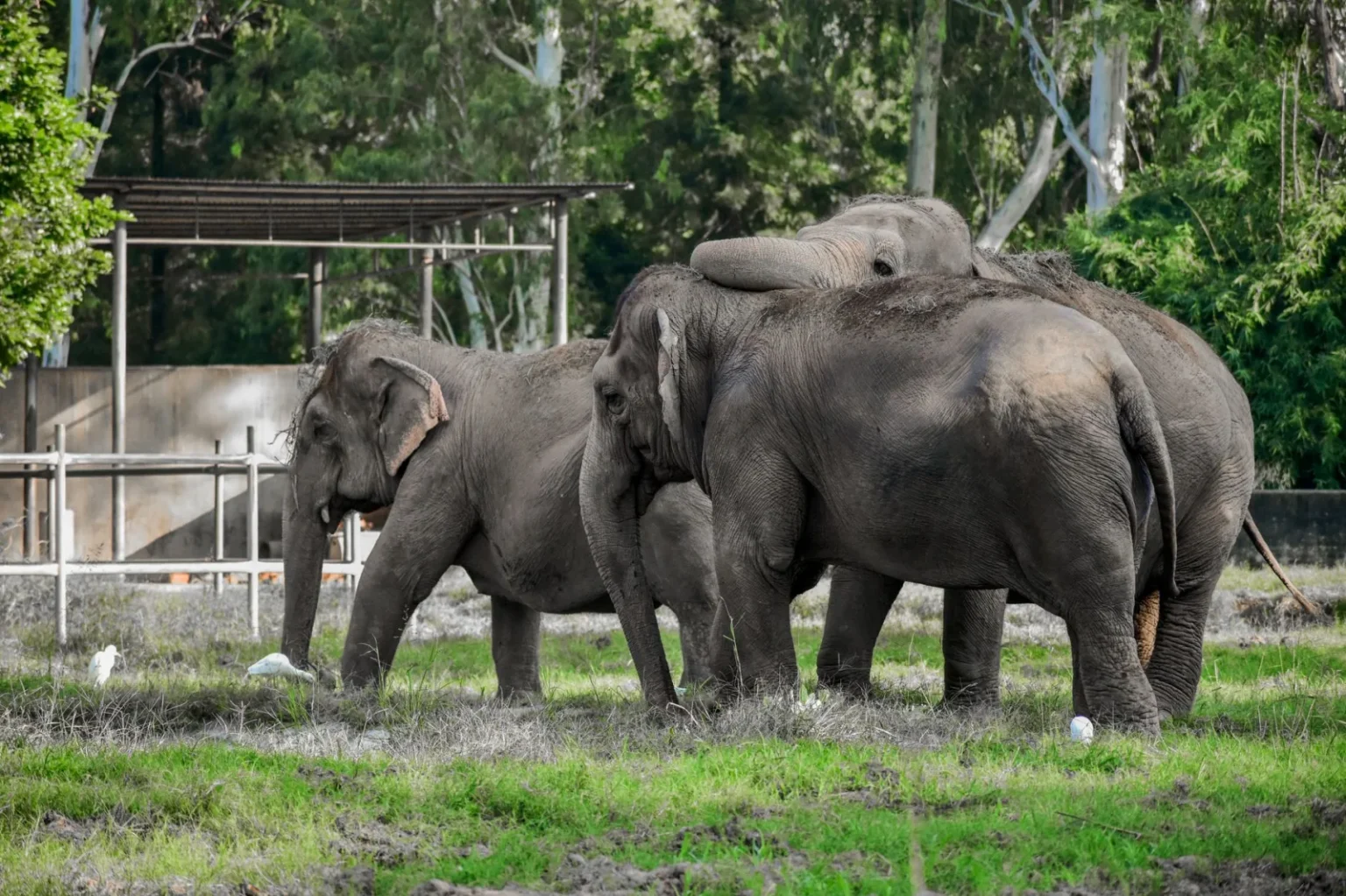
Wildlife sanctuaries are protected areas designed to conserve wildlife and their habitats. These areas provide safe environments for endangered species and promote biodiversity. In the Arabian Peninsula, these sanctuaries often serve as vital refuges due to the region’s rapidly changing landscapes and urban development. When exploring these sanctuaries, you’ll find not only a commitment to protecting wildlife but also a rich tapestry of ecosystems that are often overlooked.
Key Wildlife Sanctuaries in the Region
Several significant wildlife sanctuaries dot the Arabian Peninsula, each with unique ecosystems and conservation efforts. Here are a few notable ones:
- Dhofar Wildlife Reserve, Oman: This sanctuary is known for its diverse flora and fauna, including the endangered Arabian Oryx. It spans over 1,000 square kilometers and is crucial for species recovery efforts.
- Al Wathba Wetland Reserve, UAE: Home to numerous migratory birds, this sanctuary highlights the importance of wetland ecosystems and is a critical area for bird conservation.
- Jezirah Wildlife Reserve, Saudi Arabia: This reserve is dedicated to the protection of the Arabian gazelle and other native species, providing a habitat amidst the harsh desert environment.
Endangered Species of the Arabian Peninsula
The Arabian Peninsula is home to several endangered species, each facing threats from habitat loss, poaching, and climate change. Understanding these species is essential for effective conservation efforts. Notable endangered species include:
- Arabian Oryx: Once extinct in the wild, the Arabian Oryx has made a remarkable recovery due to conservation initiatives. They are now found in several protected areas across the region.
- Arabian Leopard: This elusive feline is critically endangered, with fewer than 250 individuals remaining in the wild. Conservation efforts focus on habitat protection and reducing human-wildlife conflict.
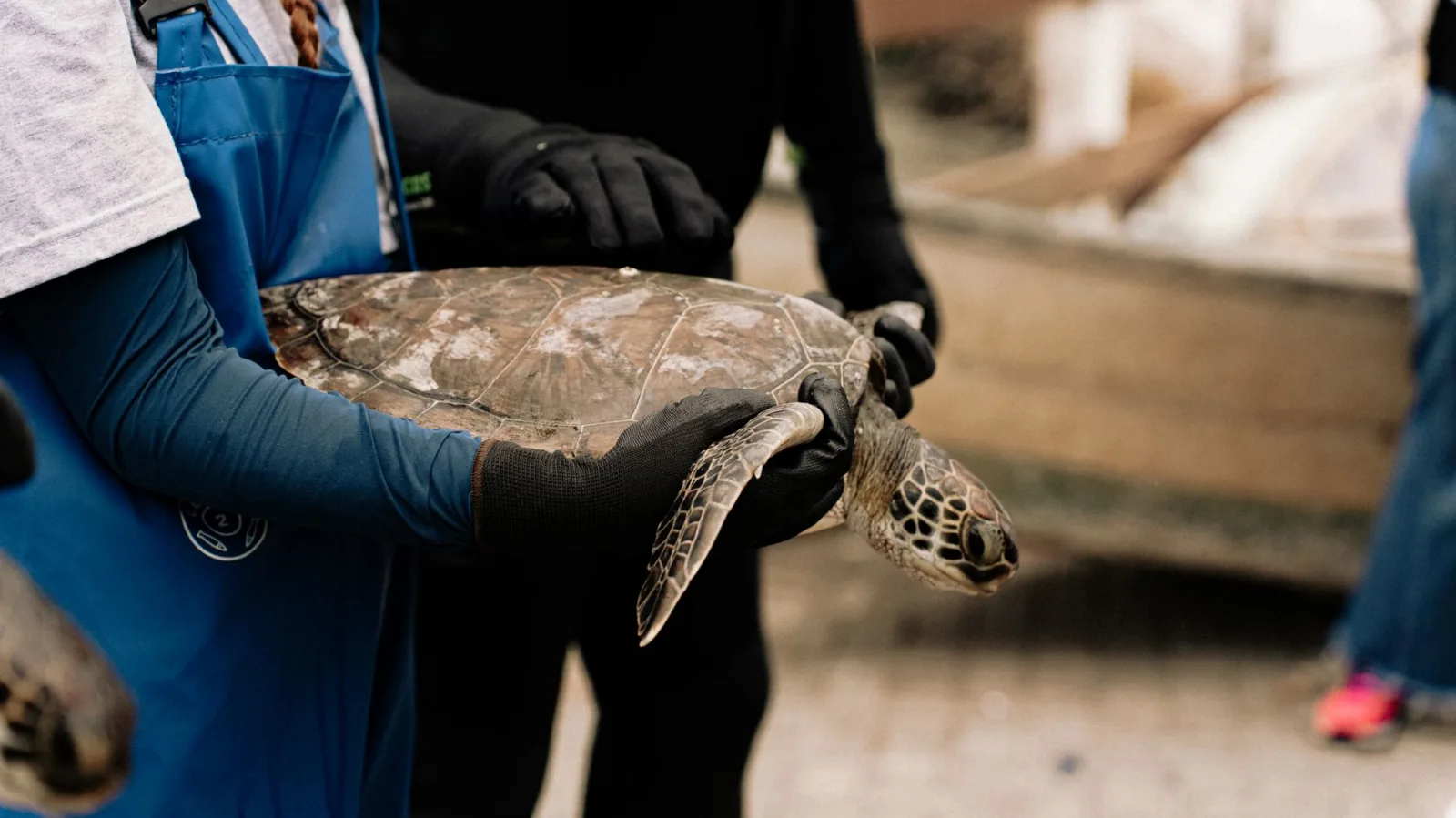
- Hawksbill Turtle: Found along the coasts, these turtles are threatened by illegal hunting and habitat degradation. Conservation programs aim to protect nesting sites and educate local communities.
Conservation Efforts and Challenges
Conservation efforts in the Arabian Peninsula often involve a combination of habitat restoration, species monitoring, and community engagement. Here are some key strategies:
- Habitat Restoration: Restoring native vegetation and protecting natural water sources can significantly enhance the ecosystems where endangered species thrive.
- Community Engagement: Involving local communities in conservation efforts is crucial. Programs that educate residents about the importance of biodiversity help foster a sense of stewardship.
- Policy and Legislation: Strong legal frameworks and enforcement mechanisms are necessary to protect wildlife from poaching and habitat destruction.
However, challenges remain, such as limited funding for conservation projects, the effects of climate change, and ongoing development pressures. Addressing these challenges requires collaboration between governments, non-profit organizations, and local communities.
How You Can Support Wildlife Conservation
Your involvement can contribute to the success of wildlife sanctuaries and their conservation efforts. Here are practical steps you can take:
- Visit Responsibly: If you plan to visit wildlife sanctuaries, follow guidelines that minimize your impact on the environment and the animals.
- Support Local Conservation Organizations: Donate to or volunteer with organizations dedicated to wildlife conservation in the Arabian Peninsula.
- Educate Yourself and Others: Learn about the species and ecosystems in your region. Sharing knowledge can inspire others to take action.
Exploring the Rich Biodiversity of Wildlife Sanctuaries
Each wildlife sanctuary offers a unique opportunity to experience the region’s biodiversity. When exploring these areas, consider the following:
- Guided Tours: Join guided tours to learn from experts about the flora and fauna. This enhances your understanding and appreciation of these ecosystems.
- Photography: Capture the beauty of endangered species and their habitats. Photographs can raise awareness and promote conservation efforts.
- Participate in Citizen Science: Engage in activities like birdwatching or wildlife tracking, contributing valuable data to conservation projects.
Key Takeaways
Wildlife sanctuaries in the Arabian Peninsula play a crucial role in protecting endangered species and preserving biodiversity. By understanding the unique ecosystems, supporting conservation efforts, and responsibly exploring these sanctuaries, you can contribute to vital wildlife preservation. Remember, every action counts, whether it’s visiting a sanctuary, supporting local initiatives, or spreading awareness about endangered species.
For those interested in further exploring the Arabian Peninsula, consider checking out other hidden gems, such as the hidden natural caves or culinary traditions that enrich the cultural landscape of the region.