




Understanding Travel Regulations
Travel regulations encompass the rules and guidelines that govern your movement from one country to another. These include visa requirements, health regulations, customs laws, and entry restrictions. Understanding these regulations is crucial for ensuring a seamless travel experience. A simple analogy is to think of travel regulations as the rules of a game; knowing them helps you play without getting penalized.
- Understanding Travel Regulations
- Step 1: Research Visa Requirements
- Step 2: Health Regulations and Travel Restrictions
- Step 3: Customs and Duty Regulations
- Step 4: Understanding Entry Restrictions
- Step 5: Keep All Documents Organized
- Step 6: Be Aware of Cultural Norms and Laws
- Conclusion: Key Takeaways for International Travel
Step 1: Research Visa Requirements
Visa requirements can vary significantly between countries. Before you travel, it’s essential to determine whether you need a visa to enter your destination. Here’s how to approach this:
- Check the destination’s official website: Countries typically provide clear information about visa requirements for different nationalities.
- Use reliable travel resources: Websites like VisaHQ or iVisa can help clarify what type of visa you may need.
- Consider the duration: For short visits, many countries offer visa-free entry or visa-on-arrival options.
Important note: Always verify your visa status well in advance, as processing times can vary.
Step 2: Health Regulations and Travel Restrictions
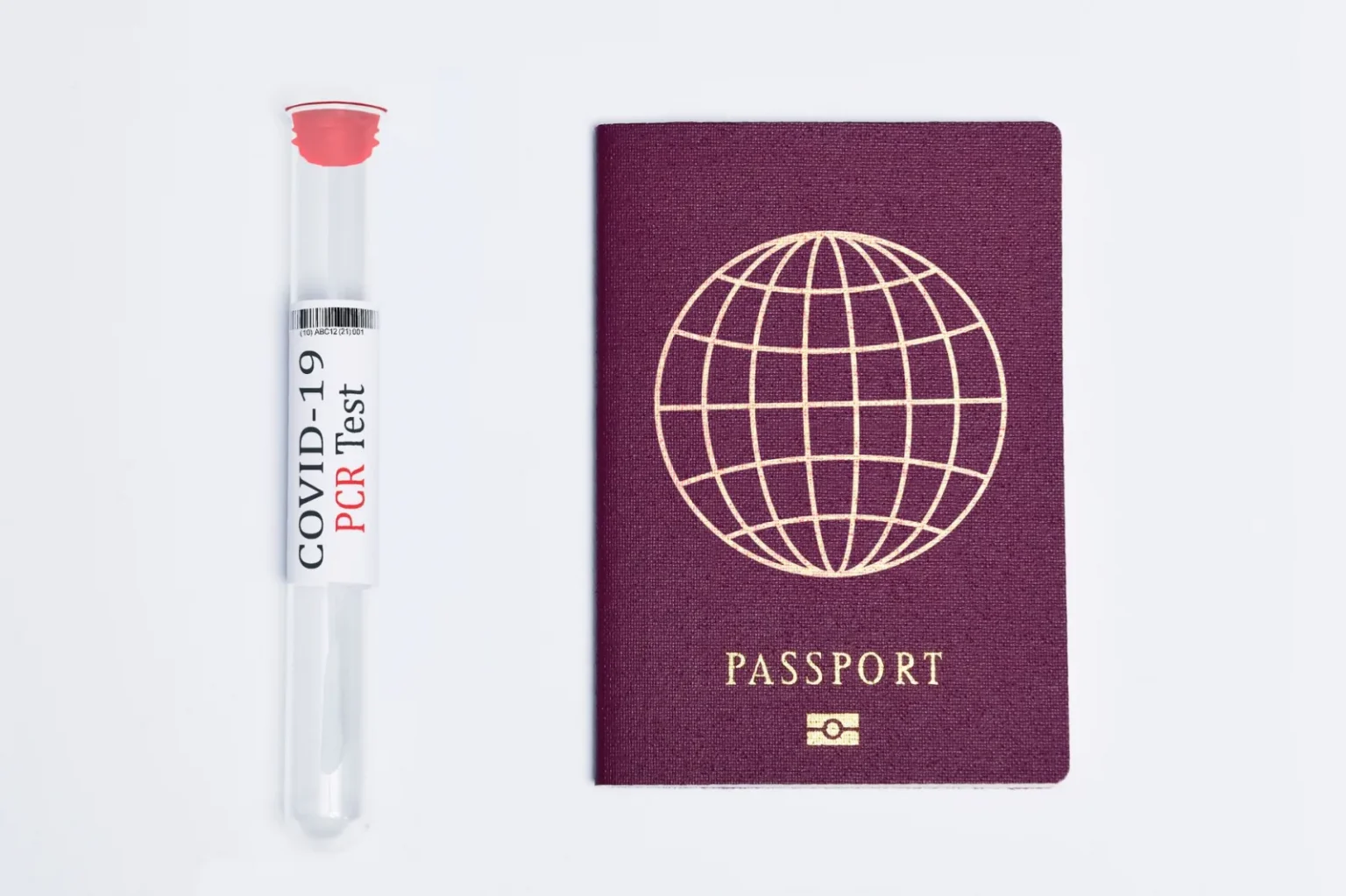
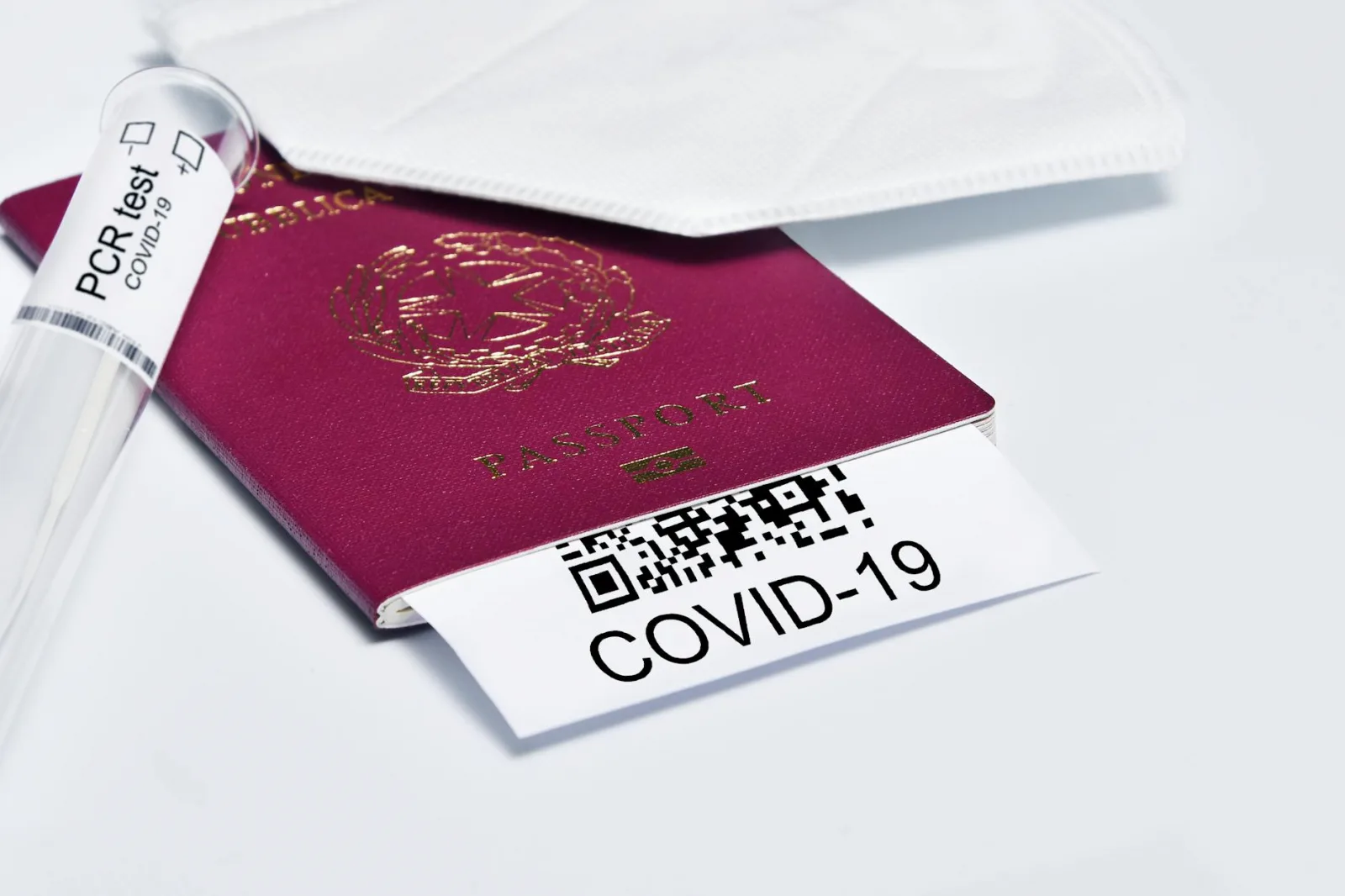
Health regulations are increasingly significant, especially in light of global health issues. Countries may require proof of vaccinations, health insurance, or even negative COVID-19 tests. To navigate these regulations:
- Consult health authorities: The World Health Organization and local health departments often publish the latest travel health advice.
- Check vaccination requirements: Certain destinations may require vaccinations like Yellow Fever or COVID-19. This is crucial to avoid last-minute issues.
Warning: Failing to comply with health regulations can result in denied entry or quarantine upon arrival.
Step 3: Customs and Duty Regulations
Customs regulations dictate what you can bring into the country. Understanding these rules will help you avoid issues at the border. Here’s what to consider:
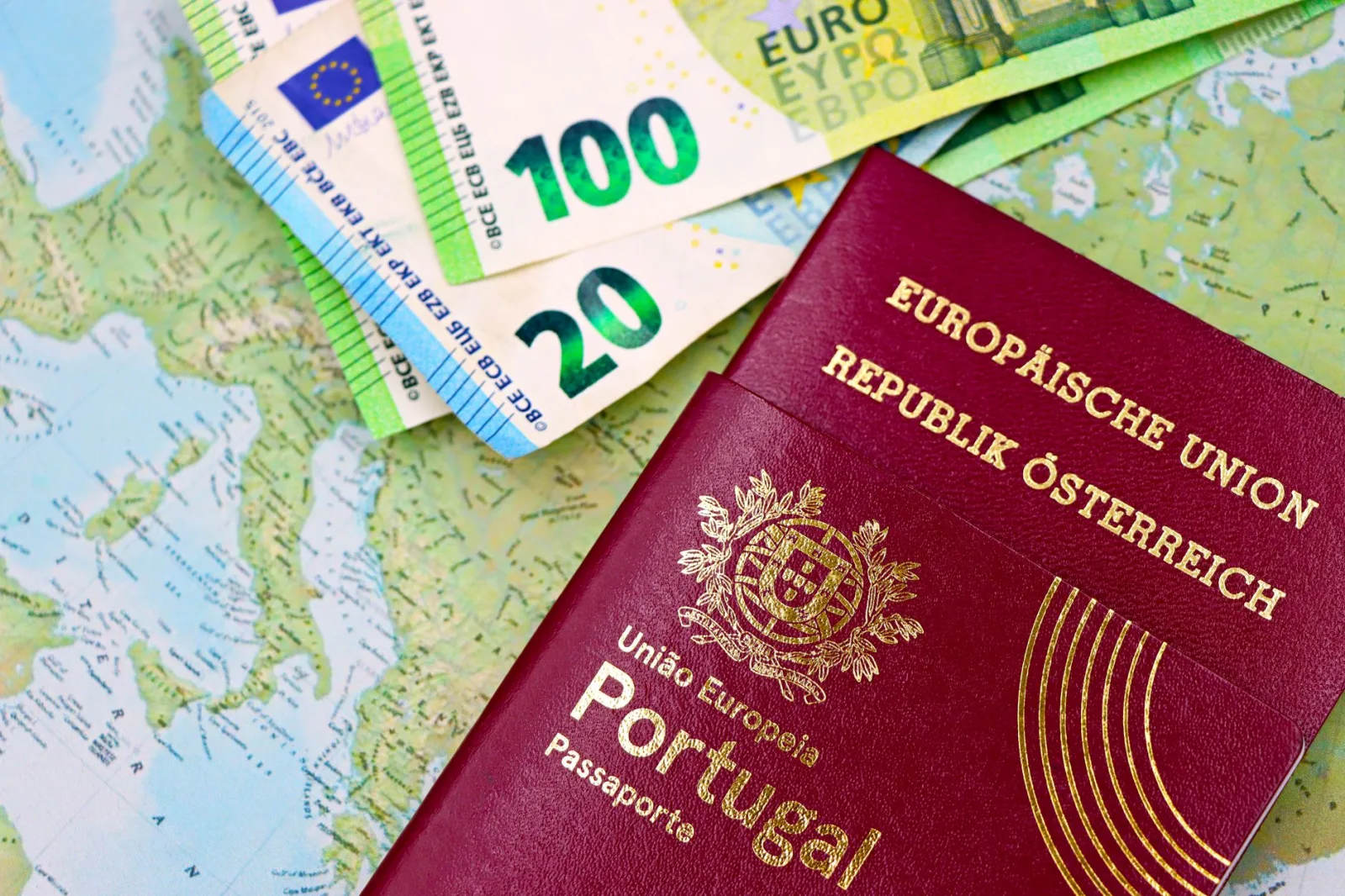
- Research customs allowances: Most countries have strict limits on the quantity of goods you can bring in without incurring extra taxes.
- Declare necessary items: If you’re carrying valuable items, such as electronics or large amounts of cash, declare them to customs.
Common mistake: Many travelers overlook declaring items and face fines or confiscation. Always err on the side of caution.
Step 4: Understanding Entry Restrictions
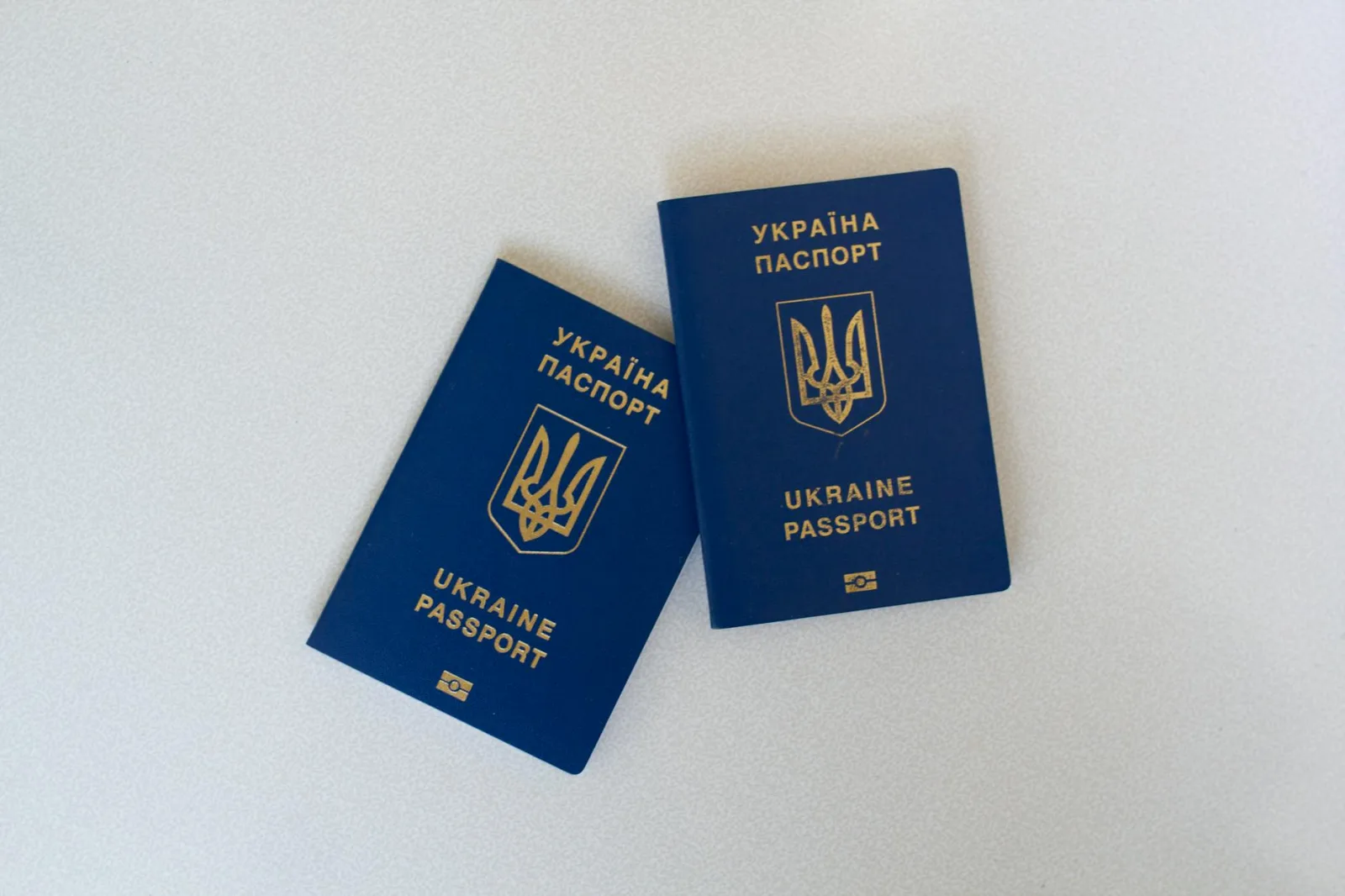
Entry restrictions can change based on diplomatic relations, security assessments, or health crises. To stay informed:
- Follow reliable news sources: Changes in entry regulations can be sudden, so check news outlets and government advisories regularly.
- Join travel forums: Online communities can provide real-time updates on travel experiences and restrictions.
Pro tip: Download a VPN to access country-specific websites that may not be available from your location.
Step 5: Keep All Documents Organized
When traveling internationally, having your documents organized is essential. Here’s how to do it:
- Create a travel document folder: Include your passport, visa, health documents, and itinerary.
- Use digital backups: Keep copies of important documents on cloud storage or a secure app.
Important note: Losing your passport or visa can lead to significant delays or even the cancellation of your trip.
Step 6: Be Aware of Cultural Norms and Laws
Every country has its own set of laws and cultural norms that you should respect. Here are some ways to prepare:
- Research local customs: Understanding cultural norms can enhance your travel experience and help you avoid misunderstandings.
- Know the laws: Some actions that are acceptable in your home country may be illegal elsewhere, such as certain forms of expression or behavior.
Additionally, familiarize yourself with local tipping customs, as they can vary widely.
Conclusion: Key Takeaways for International Travel
Navigating travel regulations can seem daunting, but with the right preparation, you can ensure a smooth international journey. Always research visa requirements, stay informed about health regulations, understand customs laws, and keep your documents organized. Lastly, respect cultural norms to enrich your travel experience. By following these steps, you not only comply with regulations but also enhance your overall travel enjoyment. For more travel planning tips, you may find it helpful to explore crafting the perfect 7-day itinerary or understanding time zones to combat jet lag.