





Unveiling the Rich Tapestry of Hidden Crafts
The Arabian Peninsula is renowned for its stunning landscapes and vibrant cultures, yet it is the hidden crafts that reveal the true essence of local creativity. These crafts, often overlooked by tourists, offer a glimpse into the traditions and skills passed down through generations. By exploring these unique art forms, you not only support local artisans but also gain a deeper understanding of the cultural heritage in this region.
- Unveiling the Rich Tapestry of Hidden Crafts
- 1. Understanding the Importance of Local Artisans
- 2. Exploring Traditional Crafts of the Arabian Peninsula
- 3. Engaging with Artisans: A Practical Approach
- 4. Highlighting Lesser-Known Crafts
- 5. The Impact of Modernization on Traditional Crafts
- 6. Sustainable Practices in Craftsmanship
- 7. A Journey Beyond the Crafts: Cultural Experiences
- Conclusion: Embracing the Hidden Crafts of the Arabian Peninsula
1. Understanding the Importance of Local Artisans
Local artisans play a crucial role in preserving cultural identity and promoting economic sustainability. They often rely on traditional methods and materials, creating pieces that reflect their community’s history and values. By purchasing their crafts, you contribute to the preservation of these practices, ensuring that future generations can enjoy and learn from them.

2. Exploring Traditional Crafts of the Arabian Peninsula
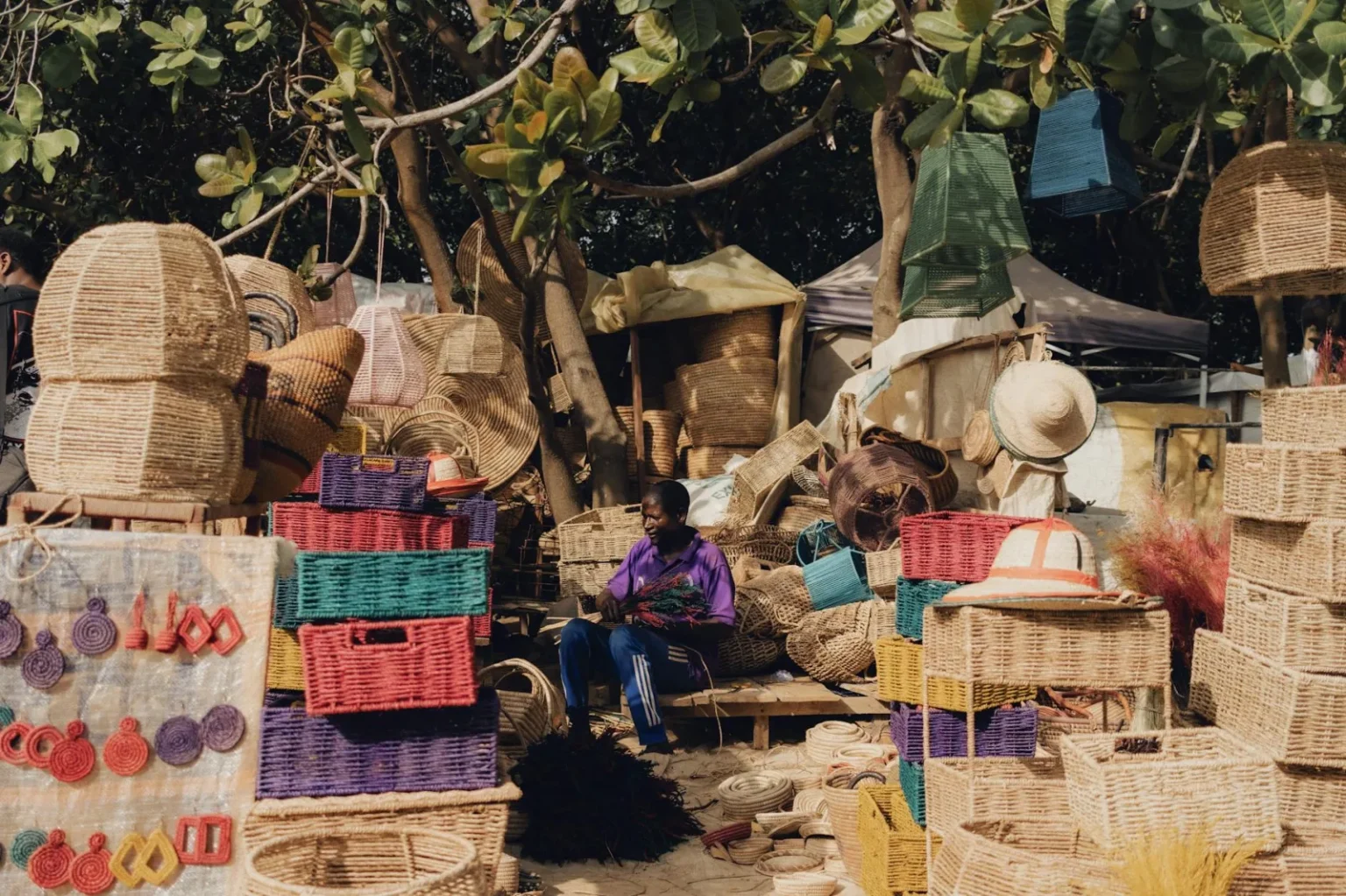
Each country within the Arabian Peninsula boasts its own unique crafts. For example, in Oman, you might discover the intricate art of khanjar making, where artisans craft beautiful curved daggers with ornate designs. In Qatar, the tradition of weaving palm fronds into baskets showcases the skill and patience of local craftspeople. These crafts often tell stories of the land and its people, making them not just items but representations of cultural narratives.
3. Engaging with Artisans: A Practical Approach
To truly appreciate hidden crafts, engaging directly with artisans is beneficial. Here’s how you can do it:
- Visit Local Markets: Look for souks or artisan markets in cities like Muscat or Riyadh. These markets often have stalls where artisans showcase their work.
- Participate in Workshops: Many artisans offer workshops where you can learn about their craft. This hands-on experience allows you to understand the techniques and materials used.
- Ask Questions: Don’t hesitate to inquire about the stories behind the crafts. Artisans are often eager to share their knowledge and passion.
4. Highlighting Lesser-Known Crafts
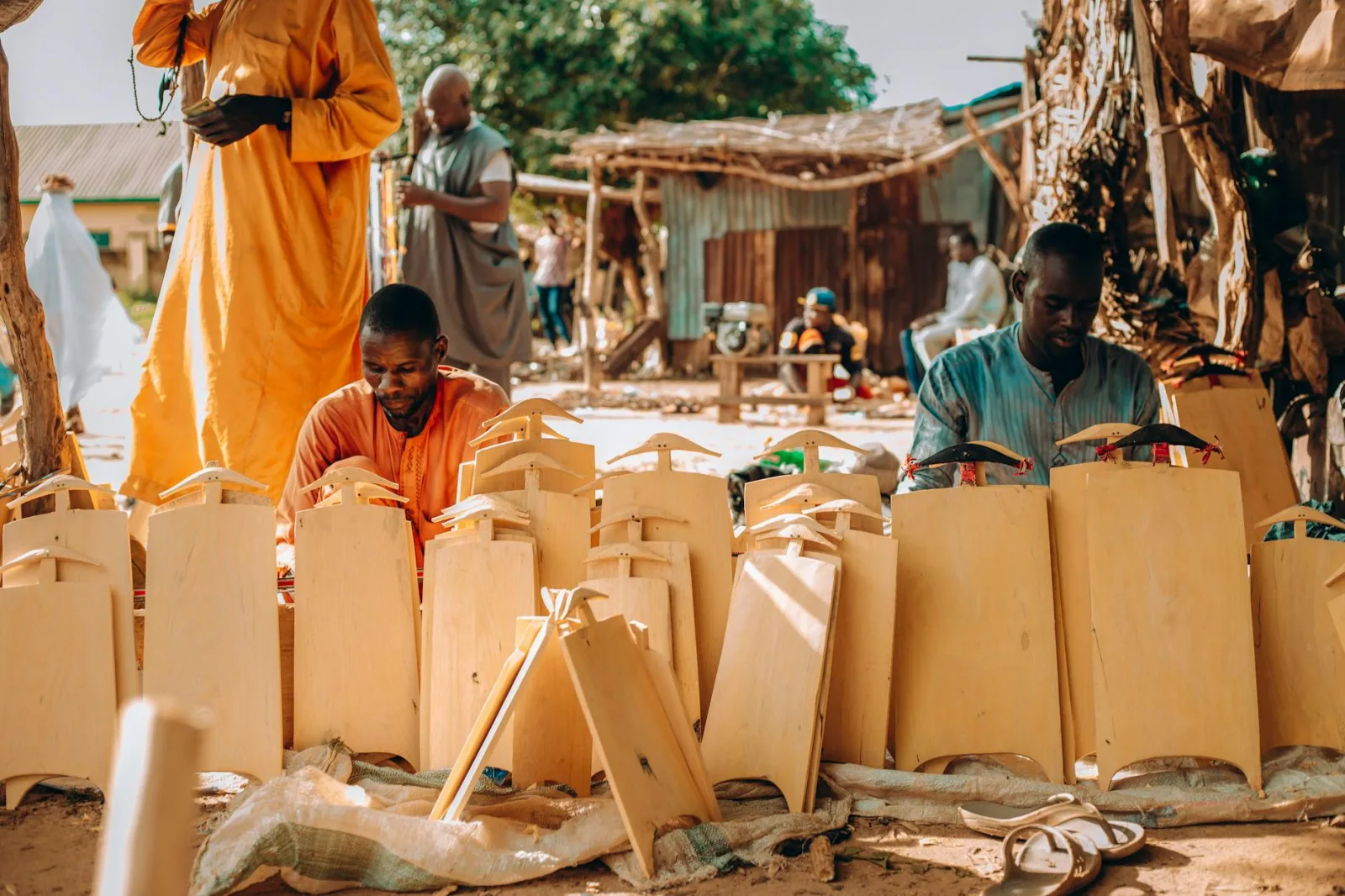
While pottery and textiles are well-known, several lesser-known crafts deserve attention. For instance, in Yemen, the art of silver filigree involves delicate metalwork that creates intricate jewelry. Similarly, Saudi Arabia is home to unique woodwork, where artisans carve detailed patterns into furniture and decorative items. These hidden crafts not only showcase skill but also reflect the cultural influences of their regions.
5. The Impact of Modernization on Traditional Crafts
As modernization spreads, traditional crafts face challenges such as declining interest and competition from mass-produced items. However, many artisans have adapted by embracing modern designs while retaining traditional techniques. For example, some potters now create contemporary pieces that appeal to younger generations, blending tradition with innovation. Supporting these artisans can help revive interest in hidden crafts.

6. Sustainable Practices in Craftsmanship
Many local artisans prioritize sustainability in their craft. This can manifest in various ways, such as using locally sourced materials, minimizing waste, and employing eco-friendly techniques. For instance, some textile artisans in the UAE use organic dyes derived from natural plants, reducing environmental impact. By choosing to support these artisans, you are contributing to a more sustainable future.
7. A Journey Beyond the Crafts: Cultural Experiences
Engaging with local artisans often leads to broader cultural experiences. For example, by participating in a pottery workshop, you might also learn about the historical significance of pottery in the region. Similarly, a weaving class could introduce you to the local customs associated with textile production. These experiences enrich your travel and deepen your connection to the community.
Conclusion: Embracing the Hidden Crafts of the Arabian Peninsula
Exploring the hidden crafts and local artisans of the Arabian Peninsula is not just about acquiring unique souvenirs; it is an opportunity to engage with culture, history, and sustainability. By understanding and supporting these craftsmen, you contribute to the preservation of their traditions. As you embark on your journey, remember that each craft holds a story waiting to be discovered. So, take the time to explore these hidden gems, and you may find that the real treasures of your travels lie in the hands of local artisans.