





Understanding the Hidden Natural Reserves
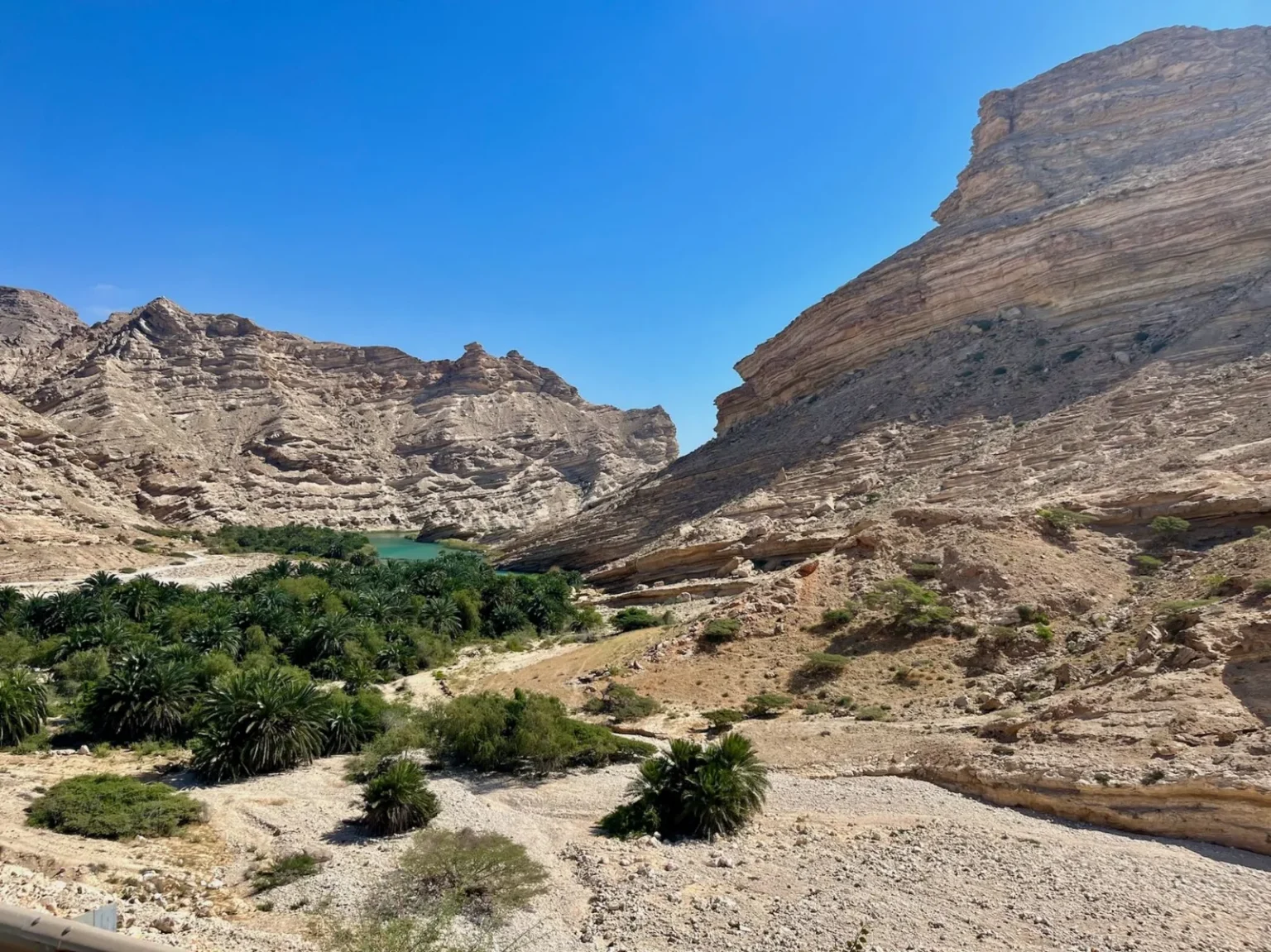
Hidden natural reserves are protected areas that harbor unique ecosystems and species, often overlooked in favor of more famous destinations. In the Arabian Peninsula, these reserves play a crucial role in preserving biodiversity and providing habitats for endemic species. To appreciate their significance, consider the fact that the Arabian Peninsula is home to various environments, from deserts to coastal areas, each supporting distinct wildlife.
- Understanding the Hidden Natural Reserves
- Key Biodiversity Features of the Arabian Peninsula
- Notable Hidden Natural Reserves to Explore
- The Importance of Conservation Travel
- Steps You Can Take to Support Biodiversity
- Challenges Facing Biodiversity in the Arabian Peninsula
- Ways to Get Involved in Conservation Efforts
- Conclusion: The Path Forward
Key Biodiversity Features of the Arabian Peninsula
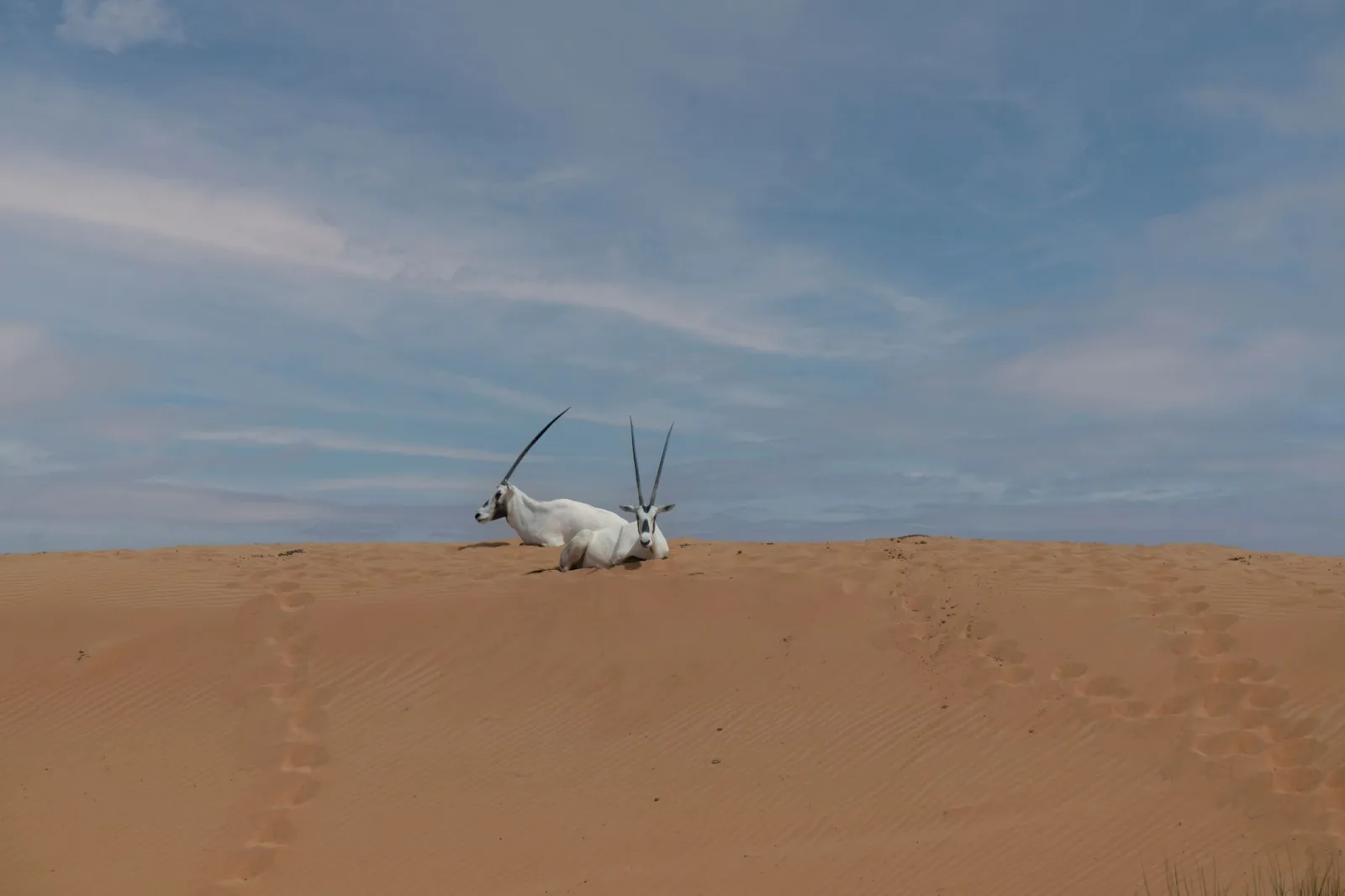
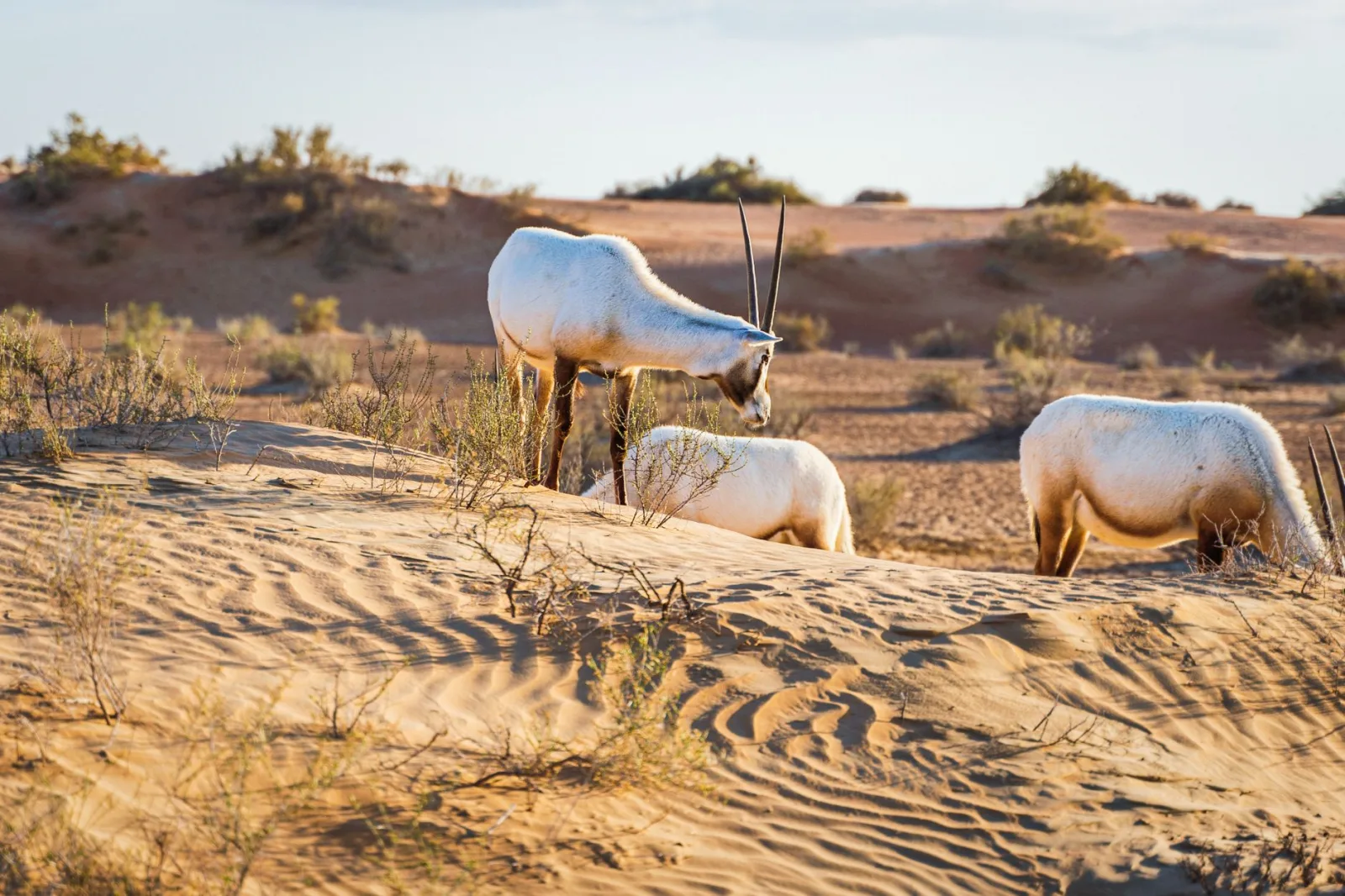
The Arabian Peninsula boasts a rich tapestry of biodiversity, despite its arid climate. For instance, the region is home to over 400 species of birds, many of which are migratory. The Arabian Oryx, once extinct in the wild, now thrives in reserves like the Mahazat as Sayd Protected Area, illustrating successful conservation efforts. Additionally, various plant species have adapted to survive in extreme conditions, making these reserves vital for ecological balance.
Notable Hidden Natural Reserves to Explore
1. **Asir National Park, Saudi Arabia**: Nestled in the southwestern region, this park features lush greenery and a variety of wildlife, including baboons and leopards. The cool climate and elevation create a stark contrast to the surrounding deserts. When visiting, you can hike through scenic trails and experience local flora.
2. **Wadi Rum, Jordan**: Known for its dramatic landscapes, Wadi Rum is not just a desert; it hosts diverse ecosystems. The unique rock formations and ancient petroglyphs add cultural significance. Pro tip: join a guided tour to learn about the area’s geology and history while minimizing your ecological footprint.
3. **Al Wathba Wetland Reserve, UAE**: This reserve is a haven for birdwatchers, especially during migratory seasons. With its salt flats and wetlands, it supports diverse bird species, including flamingos. Important note: visiting during early morning or late afternoon enhances your chances of spotting wildlife.
The Importance of Conservation Travel
Conservation travel refers to tourism that aims to support and protect natural environments. By choosing to visit hidden natural reserves, you contribute to local economies and conservation efforts. For example, entrance fees often fund preservation projects, and local guides can provide insights into sustainable practices. Therefore, engaging in conservation travel allows you to enjoy nature responsibly while ensuring it remains protected for future generations.
Steps You Can Take to Support Biodiversity
To actively contribute to the preservation of biodiversity in the Arabian Peninsula, follow these steps:
- Research before you visit: Understand the ecosystems you plan to explore. This helps you appreciate their significance and adhere to local guidelines.
- Choose eco-friendly accommodations: Stay at lodges or hotels committed to sustainability. Look for those that engage with local communities and implement conservation practices.
- Engage in responsible activities: Opt for tours that prioritize environmental awareness. Avoid activities that may harm local wildlife or habitats, such as off-road driving in sensitive areas.
- Support local conservation initiatives: Consider donating or volunteering with organizations focused on preserving natural reserves. Your involvement can make a tangible difference.
Challenges Facing Biodiversity in the Arabian Peninsula
Despite the efforts to protect these natural reserves, several challenges persist. Urbanization poses a significant threat, as expanding cities encroach on wildlife habitats. Additionally, climate change affects ecosystems, altering rainfall patterns and temperatures. Common mistake: underestimating the impact of pollution and waste on these delicate environments. It’s essential to stay informed and advocate for sustainable practices in tourism and development.
Ways to Get Involved in Conservation Efforts
If you’re passionate about conservation, there are various ways to get involved:
- Join local conservation groups: Many organizations focus on preserving biodiversity in the Arabian Peninsula. Participating in their activities can provide hands-on experience and knowledge.
- Advocate for sustainable policies: Use your voice to support legislation that protects natural reserves and promotes sustainable tourism. Your advocacy can lead to significant change.
- Educate others: Share your experiences and knowledge about the importance of hidden natural reserves. Engaging your community can inspire collective action towards conservation.
Conclusion: The Path Forward
Rediscovering the hidden natural reserves of the Arabian Peninsula offers a unique opportunity to connect with nature while supporting vital conservation efforts. By understanding the importance of biodiversity and the challenges these ecosystems face, you can contribute to their preservation. Remember to travel responsibly, engage with local initiatives, and advocate for sustainable practices. The next step is to explore these hidden gems and share your journey with others, inspiring a new generation of conservationists.