Navigating the Ancient Trade Routes of Egypt: A Guide to Historical Paths and Cultural Exchanges
By
Share
Understanding Ancient Trade Routes
Ancient trade routes were crucial for the exchange of goods, ideas, and culture. In Egypt, these paths were not just physical roads; they represented the lifeblood of economic and cultural connections. You might wonder why these routes were so significant. They facilitated interaction between various cultures, influencing everything from art to religion. For instance, the trade of papyrus, a key export of ancient Egypt, enabled the spread of knowledge and literature across the Mediterranean.
Egypt’s geographical position made it a central hub for trade routes. The Nile River was the primary artery for transportation, linking Upper and Lower Egypt. Additionally, several overland routes connected Egypt with neighboring regions such as Nubia, the Levant, and Libya. These paths allowed for the movement of not just goods, but also people and ideas.
1. The Nile River
The Nile was more than a river; it was a highway for trade. Goods such as grain, textiles, and luxury items like gold made their way up and down the river. Important note: When navigating these historical paths, consider how the Nile’s seasonal flooding affected trade, making certain areas more accessible during specific times of the year.
2. The Red Sea Routes
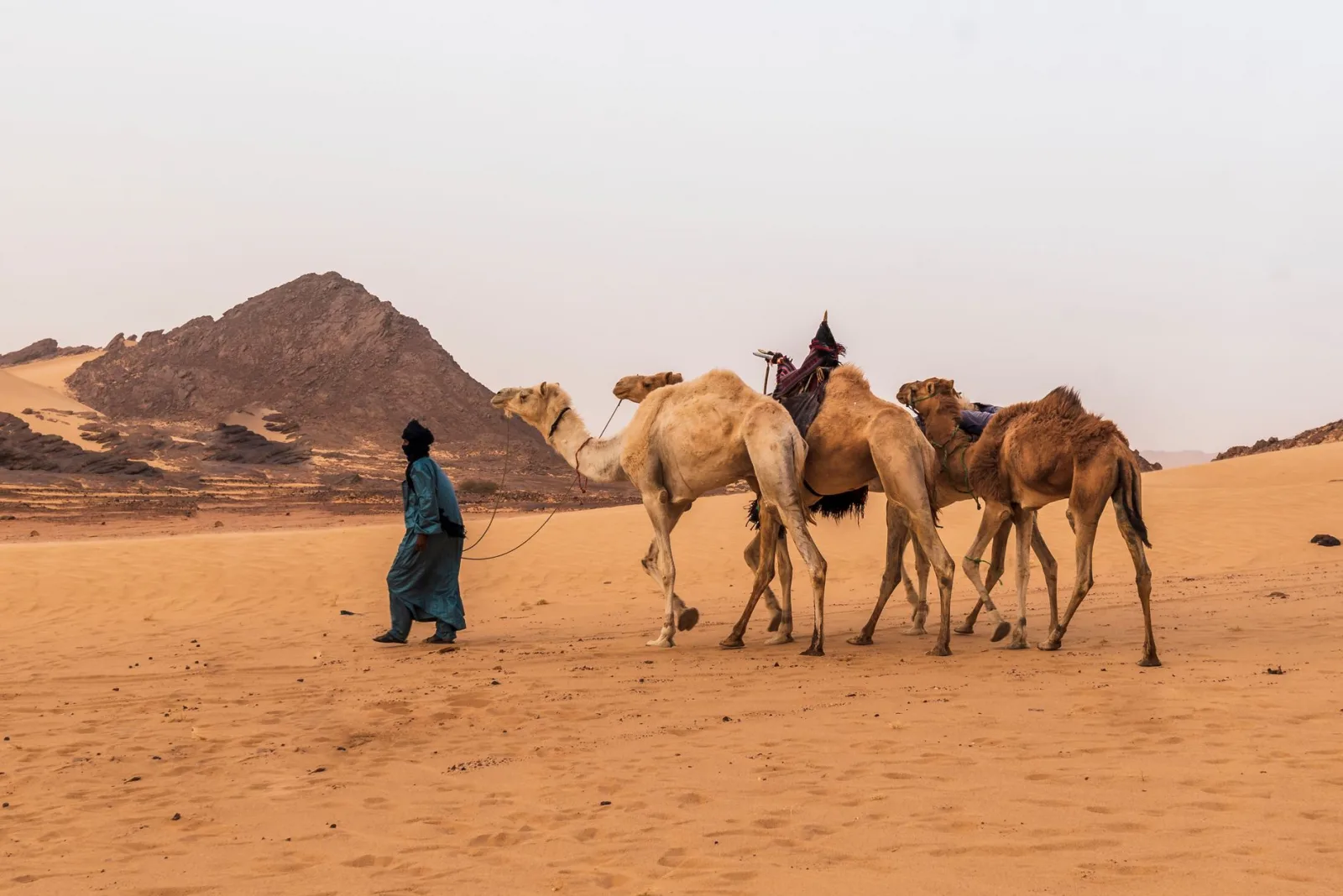
The Red Sea routes were vital for trade with other civilizations, including those in Arabia and the Far East. Egyptian merchants transported goods like incense, spices, and precious stones. You might find it interesting that these routes led to the exchange of cultural practices, especially in trade hubs like Aqaba and Berenice. Therefore, understanding these routes helps to appreciate Egypt’s role in a larger economic network.
📷 Noureddine Belfethi – Pexels
3. The Overland Trade Routes
Overland routes connected Egypt to various cultures, particularly through the Sinai Peninsula and into the Levant. Caravans would transport goods like copper and tin, essential for making bronze. Common mistake: Many travelers overlook the importance of these overland paths in shaping Egypt’s relationships with other civilizations.
Cultural Exchanges Along the Trade Routes
Trade routes were not just about the exchange of goods; they were also avenues for cultural exchanges. The interaction between different peoples led to the sharing of ideas, religious beliefs, and artistic styles. For example, the influence of Hellenistic culture can be observed in Egyptian art and architecture after the arrival of Greek traders.
1. Language and Writing
As trade flourished, so did communication. Merchants often had to learn new languages to facilitate trade. Important note: The introduction of Greek and Latin words into the Egyptian lexicon reflects this cultural blending. This linguistic exchange continues to shape modern Egyptian Arabic.
2. Religion and Beliefs
The routes allowed for the spread of religious ideas. As traders moved through different regions, they brought with them their beliefs and practices. You might find it fascinating that the worship of certain deities spread along these trade paths, influencing local traditions.
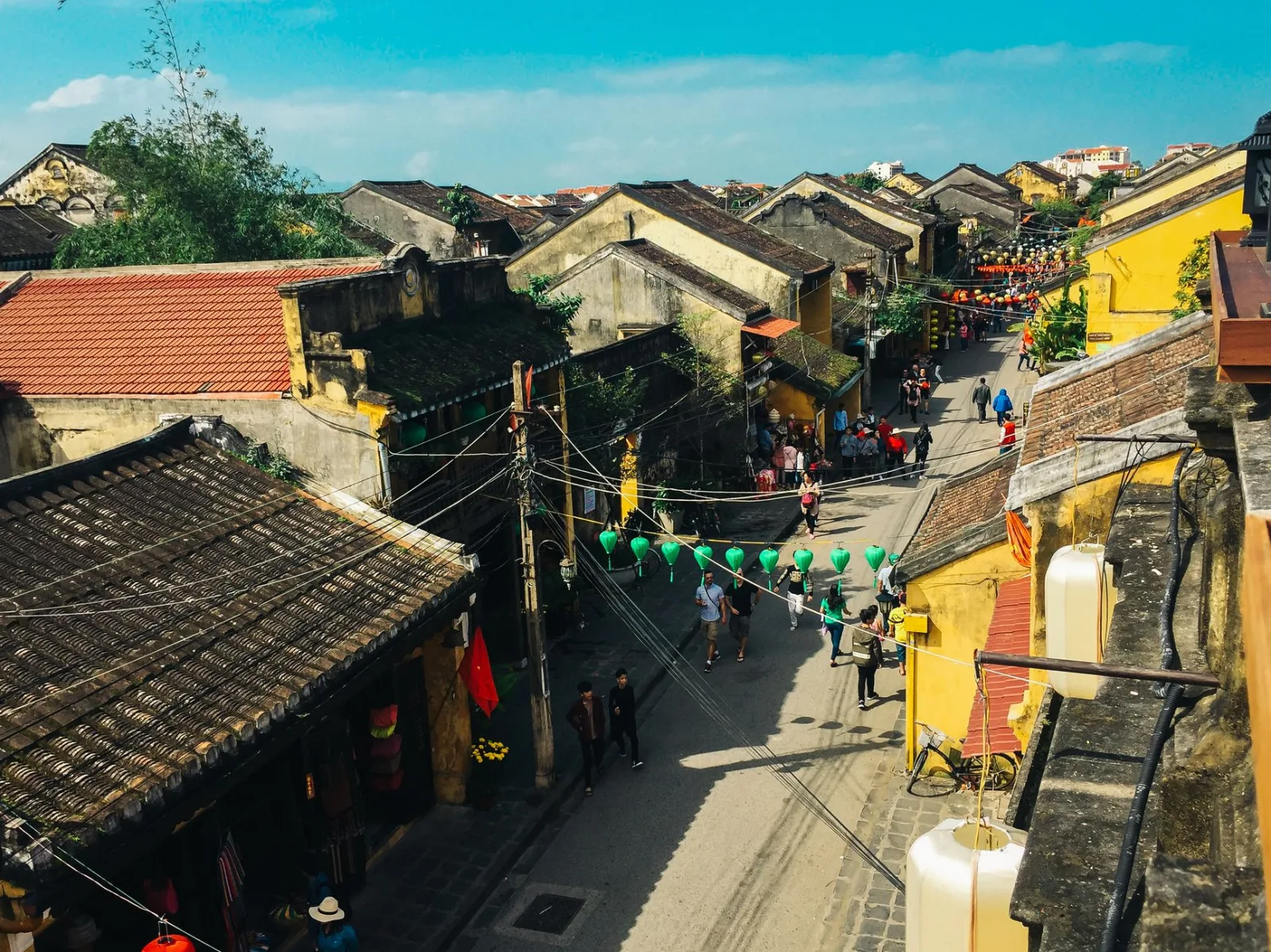
Food is a significant aspect of cultural exchange. The trade routes introduced new ingredients and culinary techniques. For example, spices from the Far East became integral to Egyptian cuisine. Pro tip: Sampling local dishes using these ancient ingredients can provide a taste of history.
📷 Lê Minh – Pexels
Common Challenges in Navigating Ancient Trade Routes
While exploring these historical paths, you may encounter challenges that ancient traders faced. Understanding these can enhance your appreciation of the journey.
1. Geographical Barriers
Deserts and mountains posed significant obstacles. Traders had to navigate these barriers carefully, often relying on local guides who understood the terrain. Warning: Ensure you are well-prepared if you plan to explore these areas; proper gear and knowledge of the environment are essential.
2. Political Turmoil
Trade routes were often affected by political changes or conflicts. For instance, control over a route could shift from one power to another, altering trade dynamics. Therefore, staying informed about the current political climate is crucial if you’re considering a journey along these paths.
3. Economic Fluctuations
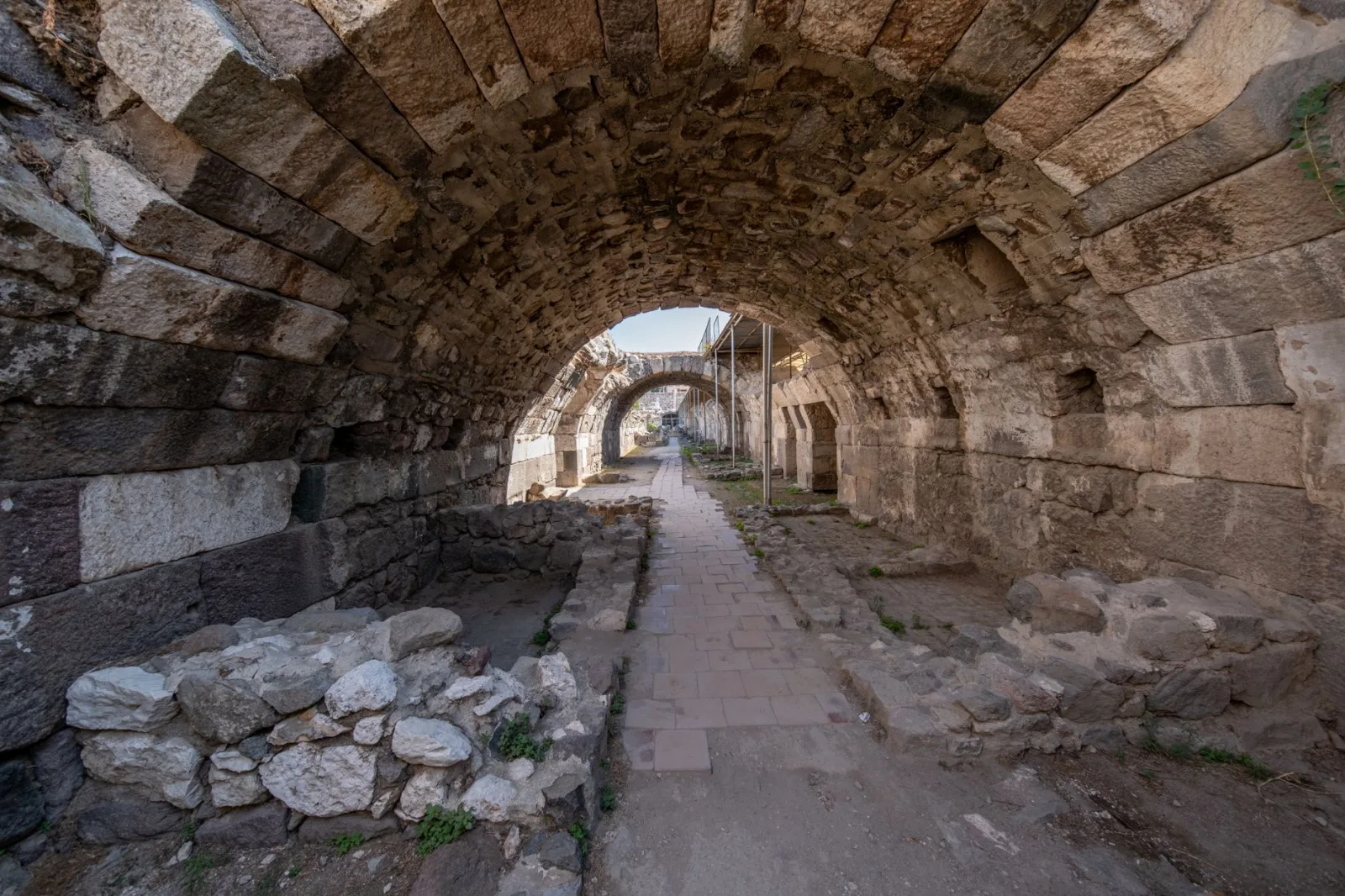
Ancient economies were volatile. Traders had to adapt to changes in demand and supply, which could impact their profits and routes. Let’s understand this with a simple example: a sudden demand for papyrus could lead to increased trade along the Nile, while a drought could hamper it.
📷 Doğan Alpaslan Demir – Pexels
Exploring the Legacy of Ancient Trade Routes Today
The influence of these ancient trade routes is still felt in modern Egypt. Many towns and cities that thrived due to trade remain cultural centers today. For instance, Cairo is not just Egypt’s capital but also a historical trade hub known for its rich cultural heritage.
1. Contemporary Trade Practices
Modern trade in Egypt is influenced by its historical routes. Understanding these paths can provide insights into current economic practices. For example, Egypt remains a critical player in the global trade of goods like cotton and textiles.
2. Cultural Festivals
Cultural festivals often celebrate the historical significance of these routes. Attending events can offer a deeper understanding of Egypt’s rich history. Pro tip: Look for local festivals that showcase traditional crafts and foods derived from these ancient exchanges.
3. Preservation Efforts
There are ongoing efforts to preserve these historical paths and the associated cultural heritage. Organizations often conduct archaeological studies and promote responsible tourism. Important note: If you choose to visit these areas, support local conservation efforts to help maintain their integrity.
Key Takeaways
In summary, navigating the ancient trade routes of Egypt provides a fascinating glimpse into the past. These pathways not only facilitated trade but also fostered cultural exchanges that shaped Egyptian society. By understanding the geographical, cultural, and economic contexts of these routes, you can appreciate their lasting impact. As you explore, remember to respect the history and heritage of these ancient paths. Whether through the bustling markets of Cairo or the tranquil banks of the Nile, the echoes of ancient trade continue to resonate in modern Egypt.