





Why Choose Egypt for Hiking?
When you think of Egypt, the iconic pyramids and the Nile may come to mind, but hidden within this ancient land are stunning hiking trails waiting to be explored. Hiking trails in Egypt offer a chance to connect with nature, experience diverse landscapes, and escape the hustle of tourist hotspots. You will discover a different side of Egypt, from its mountains to its deserts, making it a unique destination for intermediate hikers.
Understanding Egypt’s Geography
Egypt’s geography is incredibly varied, ranging from the lush banks of the Nile to the arid expanse of the Western Desert. This diversity provides numerous options for hiking enthusiasts. For instance, the Sinai Peninsula is home to rugged mountain ranges, while the Eastern Desert features vast plateaus. Understanding the terrain is crucial for planning your hiking adventure, as each area presents unique challenges and rewards.
Top Hidden Hiking Trails in Egypt
Here are some of the best hidden hiking trails in Egypt that promise breathtaking views and an authentic experience:
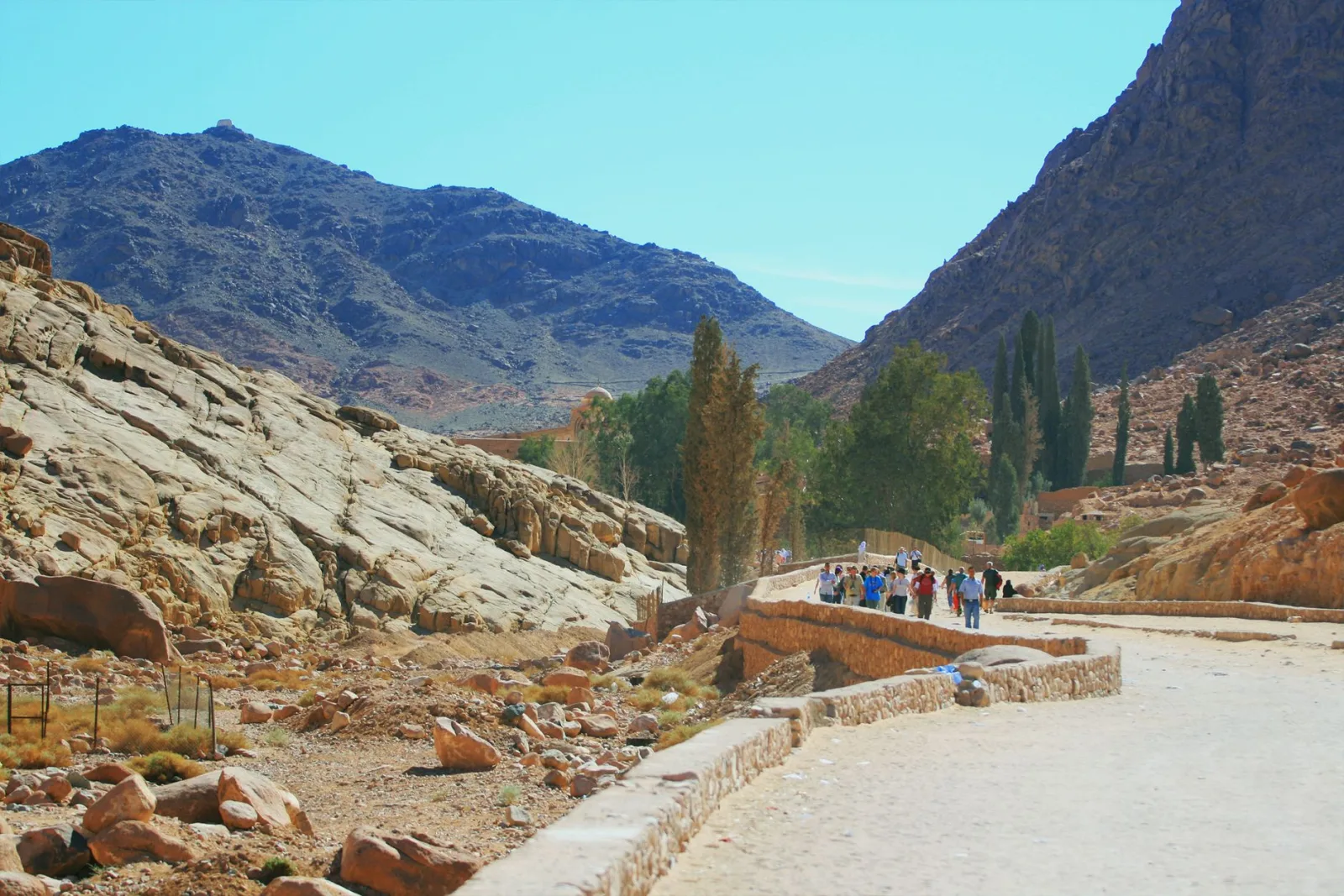
1. Mount Sinai
Mount Sinai, famous for its biblical significance, also offers breathtaking hiking opportunities. The hike to the summit is about 7 kilometers and can take approximately 2-3 hours. You can choose between two main routes: the Camel Path, which is more gradual, and the Steps of Repentance, which is steeper but offers stunning views. Pro tip: Start early to witness the sunrise from the summit, an experience you will cherish.
2. Wadi Degla Protectorate
Located just outside Cairo, Wadi Degla is a hidden gem for nature lovers. This protectorate features a 30-kilometer hiking trail through a rocky valley. The trail is relatively easy and perfect for intermediate hikers. As you walk, keep an eye out for unique rock formations and local wildlife. Important note: Bring plenty of water, especially during the hotter months, as shade is limited.
3. The White Desert
The White Desert, known for its surreal chalk formations, offers a unique hiking experience. There are various routes to explore, with some paths leading to hidden oases. The terrain can be challenging, so it’s advisable to go with a guide. Additionally, consider camping overnight to fully appreciate the stunning night sky. Warning: Ensure you have a reliable GPS or map, as landmarks can be sparse.
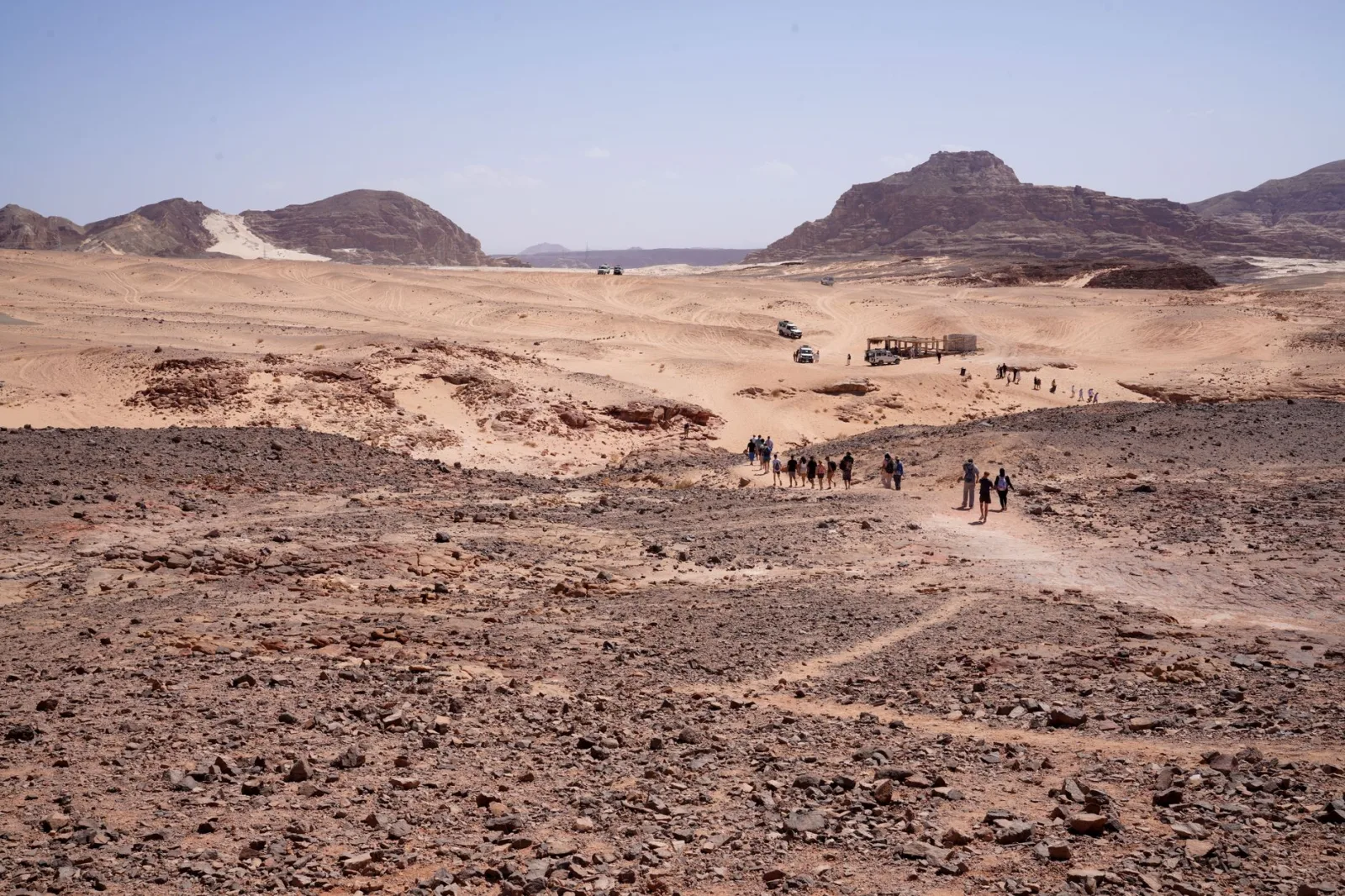
4. Al-Tod Desert
Less frequented by tourists, the Al-Tod Desert offers remote hiking trails that lead to ancient ruins and beautiful landscapes. This area is perfect for those looking for solitude and the chance to interact with local Bedouin communities. The hike can last several hours, so prepare for a full day of exploration. Common mistake: Underestimating the desert’s vastness; always carry sufficient supplies.
5. The Red Sea Mountains
The Red Sea Mountains provide a fantastic backdrop for hiking enthusiasts. There are numerous trails that meander through the mountains, offering spectacular views of the Red Sea. One recommended trail is the one leading to Ras Mohammed National Park, where you can see unique flora and fauna. Important note: Check the weather before heading out, as conditions can change rapidly in mountainous areas.
Essential Hiking Tips for Egypt
Before you embark on your hiking adventure, keep these crucial tips in mind:
- Research Your Trail: Familiarize yourself with the trail’s difficulty, length, and terrain. Use local resources or guides to gather information.
- Stay Hydrated: The Egyptian climate can be extremely hot, especially during summer. Always carry enough water, and consider using a hydration pack for convenience.
- Dress Appropriately: Wear lightweight, breathable clothing, and sturdy footwear. A hat and sunglasses are also essential for sun protection.
- Leave No Trace: Respect the natural environment by following the Leave No Trace principles. Pack out what you pack in and avoid disturbing wildlife.
- Consider Local Guides: Hiring a local guide can enhance your experience. They can provide insights into the area’s history and culture and ensure your safety.

Understanding Safety and Regulations
Safety is paramount when hiking in Egypt, especially in remote areas. Always inform someone about your hiking plans and expected return time. Additionally, be aware of local regulations regarding hiking in protected areas. Some trails may require permits or have specific guidelines to follow. On the other hand, if you’re hiking in a group, establish a clear communication system to keep everyone informed of your status.
Combining Hiking with Cultural Exploration
One of the best aspects of hiking in Egypt is the opportunity to combine your outdoor adventures with cultural experiences. For instance, after a hike in the Sinai Peninsula, consider visiting St. Catherine’s Monastery, one of the oldest Christian monasteries in the world. Or, after exploring Wadi Degla, you can dive into local culinary experiences by sampling traditional Egyptian dishes in nearby towns. Exploring Egypt’s culinary heritage can further enrich your travel experience—check out Exploring Egypt’s Culinary Heritage for more insights.
Conclusion: Embrace Egypt’s Hidden Nature Escapes
Hiking in Egypt allows you to discover the country’s hidden gems while enjoying the tranquility of nature. From the majestic heights of Mount Sinai to the surreal landscapes of the White Desert, each trail offers a unique experience. Remember to prepare adequately, respect the environment, and consider blending your hiking adventures with cultural explorations. By doing so, you can create unforgettable memories and truly experience the essence of Egypt. As you plan your next journey, keep these hidden hiking trails on your radar—they may just surprise you with their beauty and serenity.
Key Takeaways:
- Egypt offers a variety of hiking trails suitable for intermediate hikers.
- Safety and preparation are crucial when hiking in remote areas.
- Combining hiking with cultural experiences can enhance your trip.