





Understanding Hidden Cultural Festivals
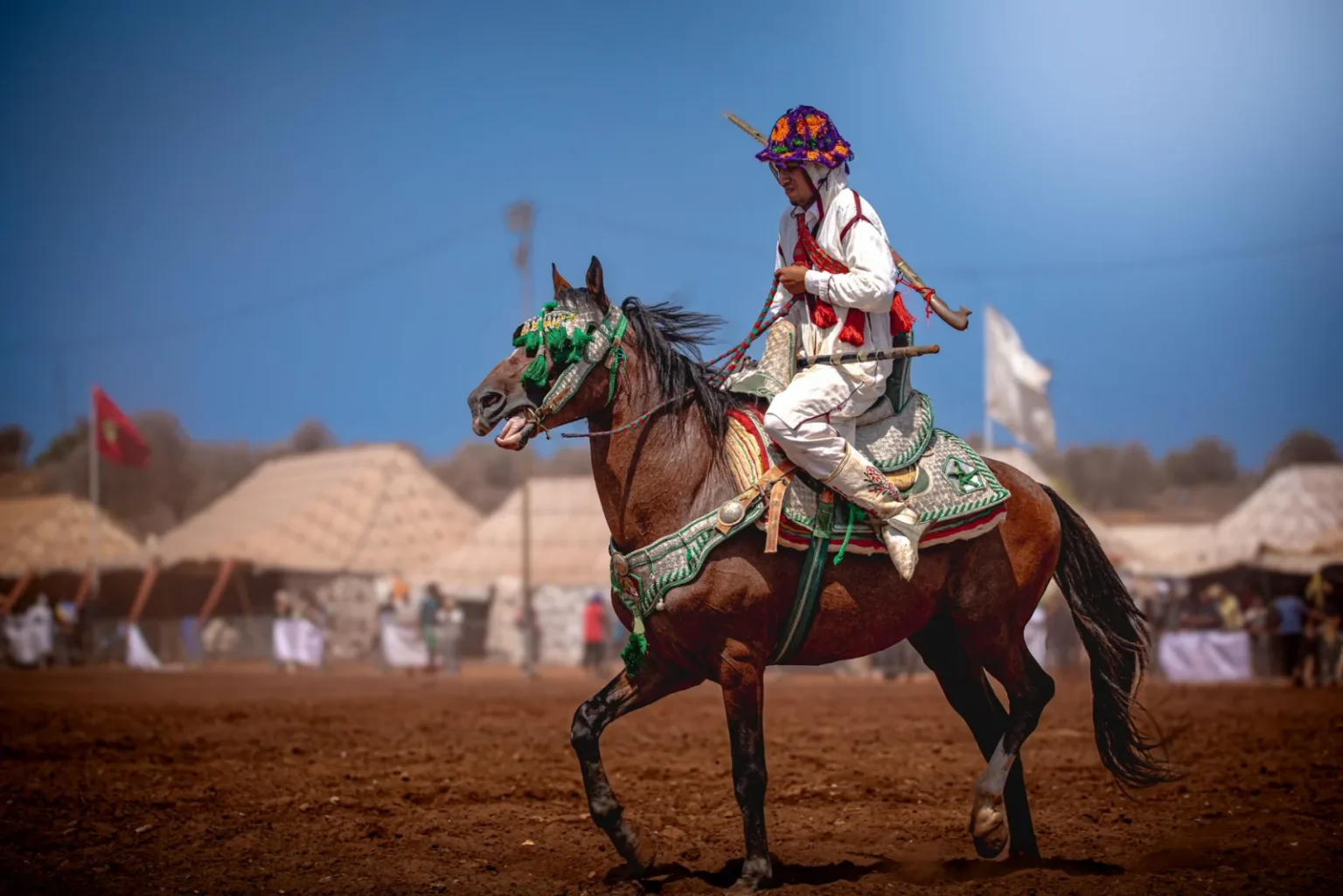
Hidden cultural festivals offer an authentic glimpse into the traditions and lifestyles of local communities. Unlike well-known events that attract mass tourism, these celebrations are often intimate, providing a deeper connection to the culture. For instance, while many travelers flock to the more famous Eid celebrations, smaller, lesser-known events may showcase unique rituals and local customs.
1. The Significance of Festivals in the Arabian Peninsula
Festivals in the Arabian Peninsula are not just celebrations; they serve as a means of preserving cultural heritage. They foster community spirit and offer a venue for storytelling, music, and traditional arts. Think of these festivals as living museums where you can experience history through the eyes of the locals. For example, the Al-Janadriyah Festival in Saudi Arabia is not only a cultural showcase but also a platform for artisans to demonstrate age-old crafts.
2. Discovering Lesser-Known Festivals
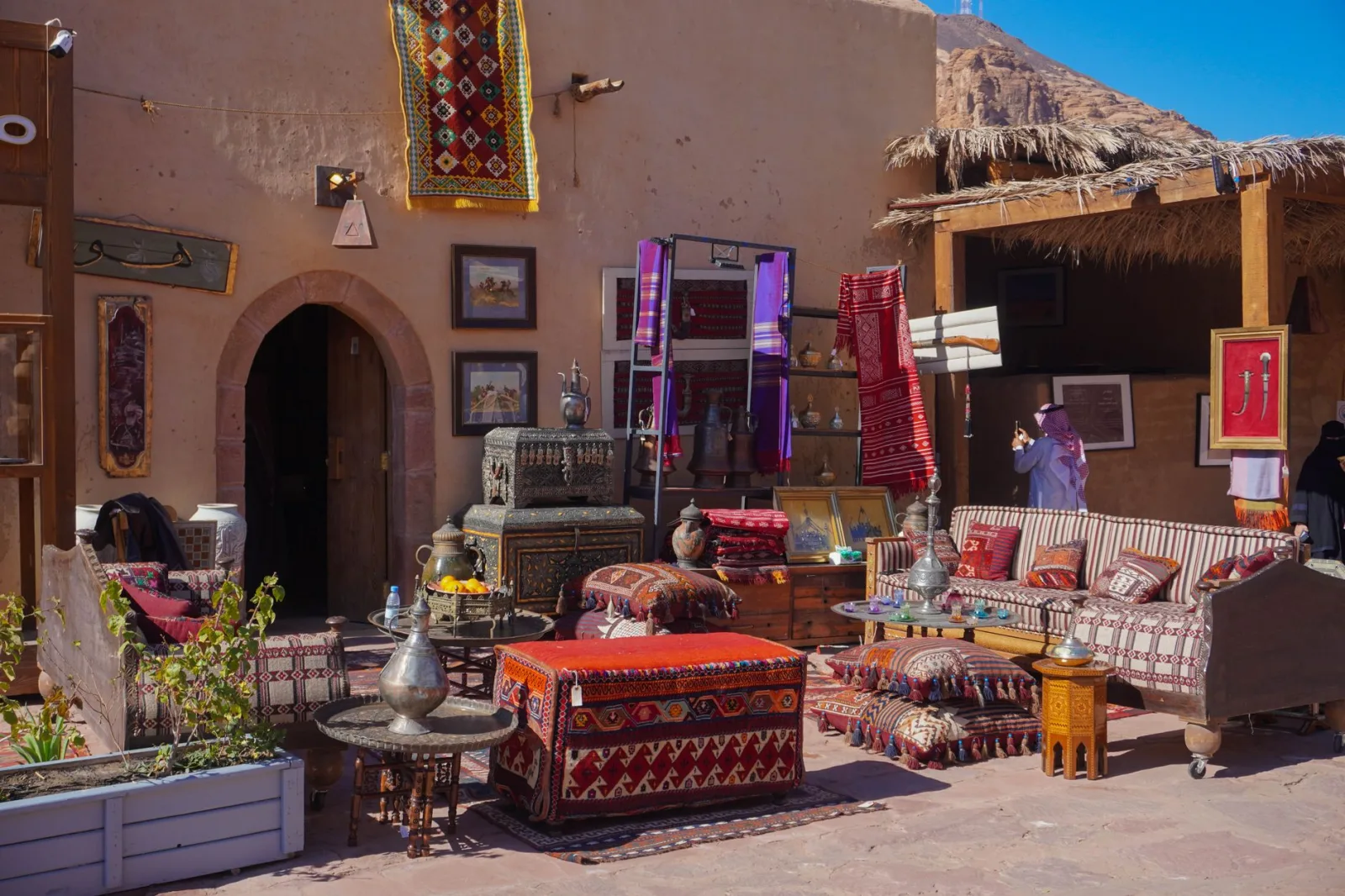
Many hidden cultural festivals occur throughout the Arabian Peninsula, often overlooked by mainstream tourism. Here are a few to consider:
- The Festival of Al-Balad: Held in Jeddah, this festival celebrates the city’s rich history with traditional music, food stalls, and art exhibitions. It’s a great opportunity to experience the local culture while avoiding the hustle of larger events.
- Emirates Festivals: Various emirates in the UAE host smaller, regional festivals focusing on local traditions, such as the Al Ain Camel Festival. Here, you can witness camel races and beauty contests, offering a unique insight into Bedouin culture.
- Omani Khareef Festival: Taking place in Salalah, this festival marks the monsoon season and features local music, dance, and food. It’s a celebration of nature and community, providing an authentic experience of Omani culture.
3. Engaging with the Local Community
To truly appreciate these hidden cultural festivals, engaging with the local community is essential. You might consider volunteering or participating in local workshops during the festival. This hands-on experience allows you to learn traditional crafts or cooking techniques, enhancing your understanding of the culture. For example, at the Al-Balad Festival, you could join a hands-on workshop in traditional weaving, allowing you to connect with the artisans directly.
4. Planning Your Visit
When planning your visit to these hidden cultural festivals, consider the following steps:
- Research the Festival Dates: Many festivals are not widely advertised. Check local tourism websites or social media pages for announcements.
- Connect with Locals: Use platforms like Couchsurfing or local Facebook groups to reach out to residents who can provide insider knowledge about the festivals.
- Respect Local Customs: Dress modestly and adhere to cultural norms. Understanding local etiquette enhances your experience and shows respect for the community.
- Be Open to New Experiences: Embrace the unexpected. Smaller festivals may have unique customs that differ from what you might anticipate.
5. The Culinary Side of Festivals
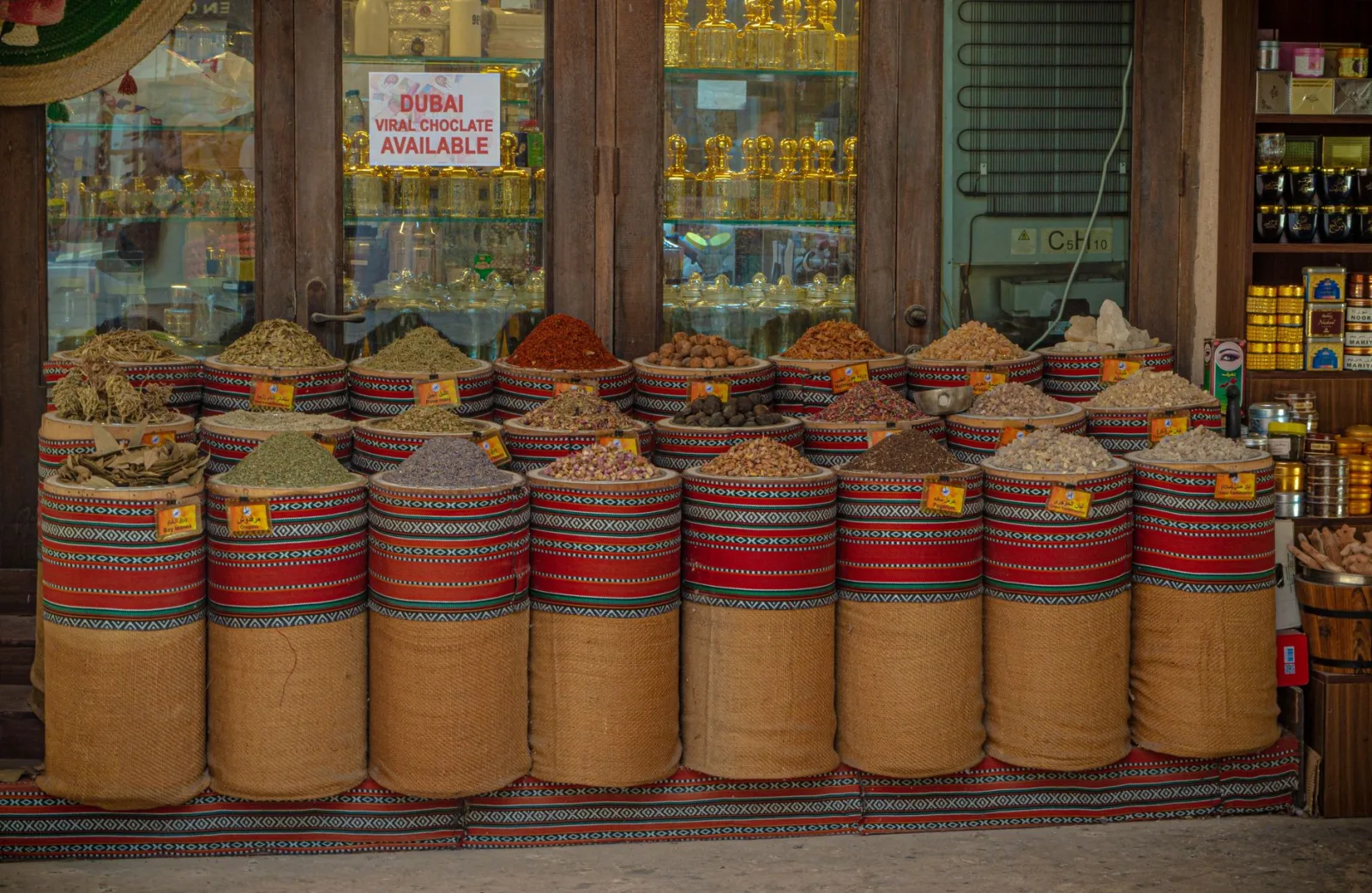
Food is often at the heart of cultural festivals, serving as both a celebration and a symbol of community. During these events, try local delicacies that reflect the region’s culture. For instance, during the Khareef Festival, you may find dishes like Shuwa, slow-cooked lamb marinated in spices. Engaging with the culinary aspects not only satisfies your palate but also deepens your appreciation for the local culture. For more on culinary experiences, check out our article on Discovering the Hidden Culinary Trails of Desert Nomads.
6. Navigating Challenges
While exploring hidden cultural festivals can be rewarding, it may come with challenges. Here are some potential obstacles and solutions:
- Language Barrier: Many locals may not speak English. Learning a few basic phrases in Arabic can help bridge this gap.
- Transportation Issues: Public transport may be limited, especially in rural areas. Consider renting a car or arranging local transport in advance.
- Accommodation: During festivals, hotels may fill up quickly. Book your stay well in advance, focusing on smaller guesthouses or homestays for a more authentic experience.
7. Summary and Key Takeaways
Hidden cultural festivals in the Arabian Peninsula provide invaluable opportunities for authentic local experiences. By understanding the significance of these festivals, engaging with the community, and planning your visit wisely, you can immerse yourself in the rich tapestry of Arabian culture. Remember to approach these celebrations with respect and an open mind, as they are often deeply rooted in tradition. Important note: Always prioritize local customs and practices to ensure a positive experience.
As you explore these hidden gems, consider combining your festival visits with other local experiences, such as discovering hidden oasis towns or eco-lodges in the region. For more insights, check out our articles on Hidden Oasis Towns and Hidden Eco-Lodges.