





1. Introduction to the Arabian Peninsula’s Biodiversity
The Arabian Peninsula, often known for its vast deserts and bustling cities, is also home to an astonishing variety of flora and fauna. Many people are unaware that beyond the arid landscapes lie hidden ecological wonders, showcasing rare species that have adapted to the harsh environment. This guide will explore these treasures, providing insight into the unique plants and animals that inhabit this region.
2. Understanding the Unique Ecosystems
To appreciate the hidden ecological wonders of the Arabian Peninsula, it’s essential to understand the different ecosystems present. These include:
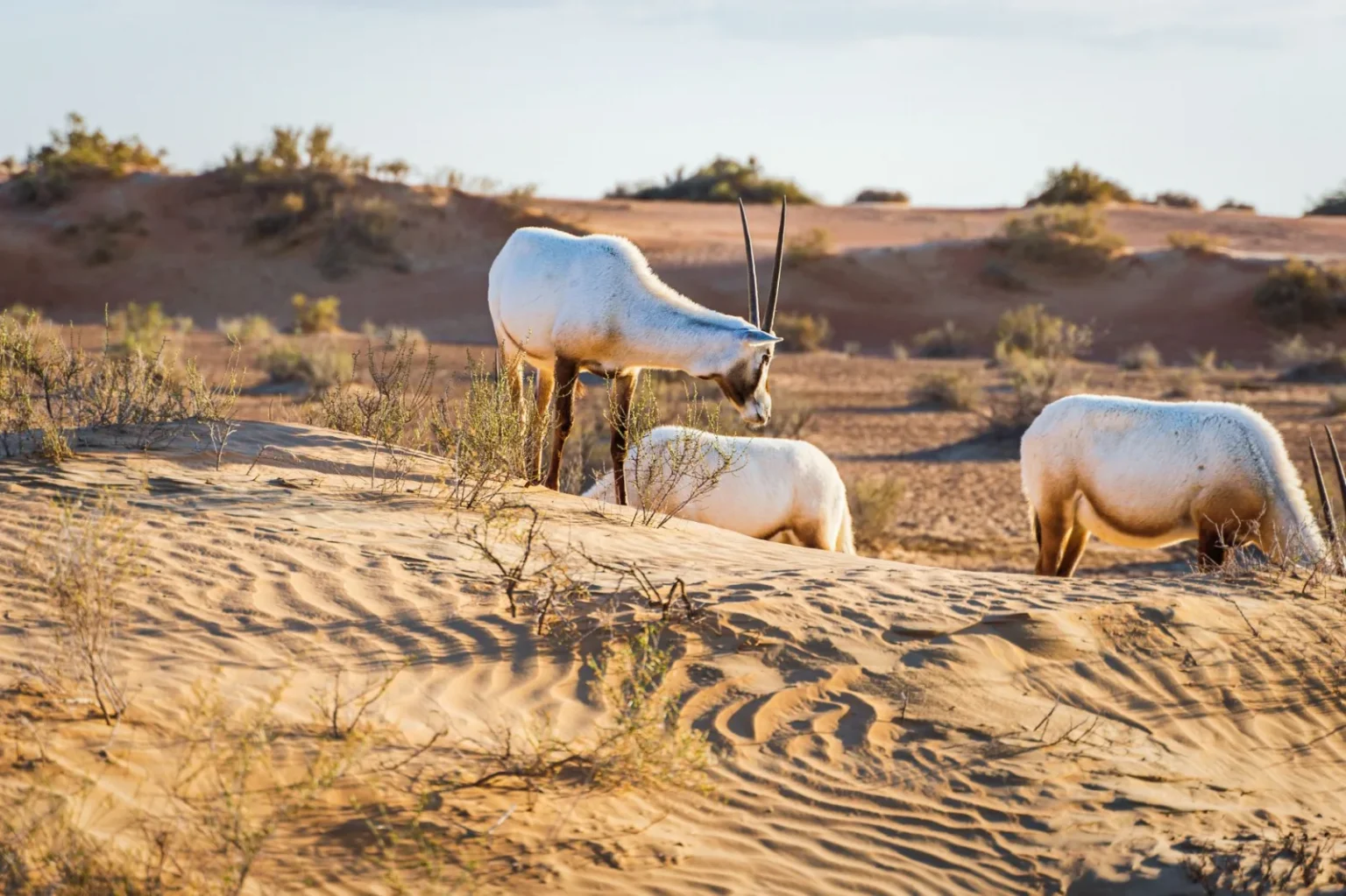
- Desert Ecosystems: Characterized by extreme temperatures and limited water, these areas support specialized flora like the Acacia tortilis and fauna such as the Arabian Oryx.
- Coastal Ecosystems: The coastline features mangroves and coral reefs, which are vital for species like the hawksbill turtle.
- Mountainous Regions: Higher altitudes harbor distinct plant life, including endemic species like the Juniperus excelsa.
Each ecosystem plays a crucial role in maintaining the region’s biodiversity, providing habitats and resources for various species. Understanding these ecosystems is your first step in exploring the hidden gems of the Arabian Peninsula.
3. Rare Flora of the Arabian Peninsula
The Arabian Peninsula boasts a variety of rare plants, many of which are endemic to the region. Below are some notable examples:
- Frankincense Trees (Boswellia sacra): Found primarily in Oman, these trees produce resin that has been prized for centuries. The trees thrive in arid conditions, showcasing resilience and adaptability.
- Algarrobo Trees (Prosopis cineraria): Often referred to as the ‘tree of life’, this species provides shade, food, and shelter in the Arabian deserts.
- Arabian Lotus (Nymphaea tetragona): This aquatic plant, found in freshwater lakes, is notable for its beautiful flowers and ecological importance in supporting local wildlife.
Each of these plants has evolved unique adaptations to survive in their specific environments. For example, the frankincense tree has developed a thick bark to protect against extreme temperatures and drought.
4. Rare Fauna of the Arabian Peninsula
Alongside its flora, the Arabian Peninsula is home to remarkable fauna, some of which are endangered or rarely seen. Here are a few examples:
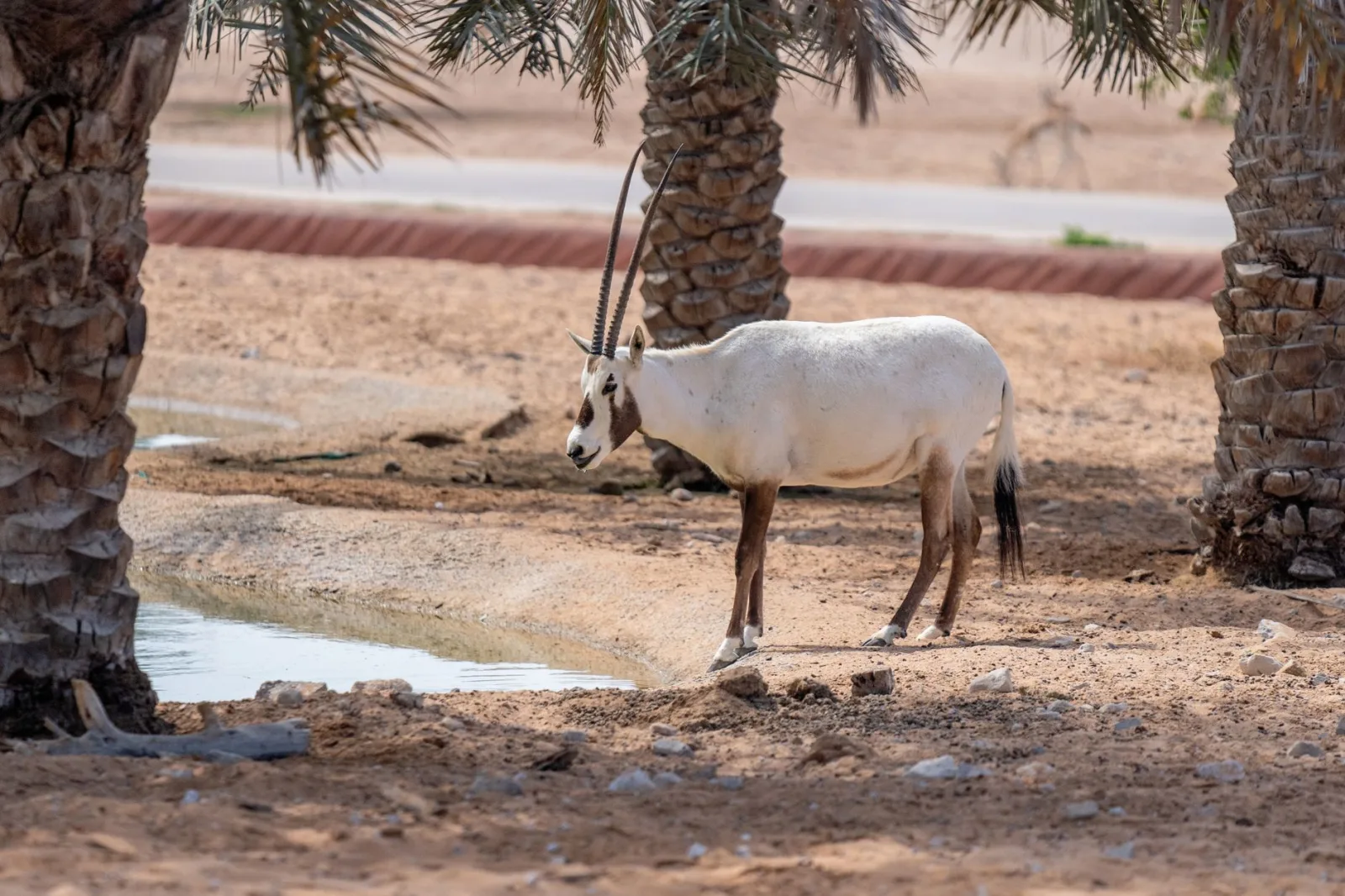
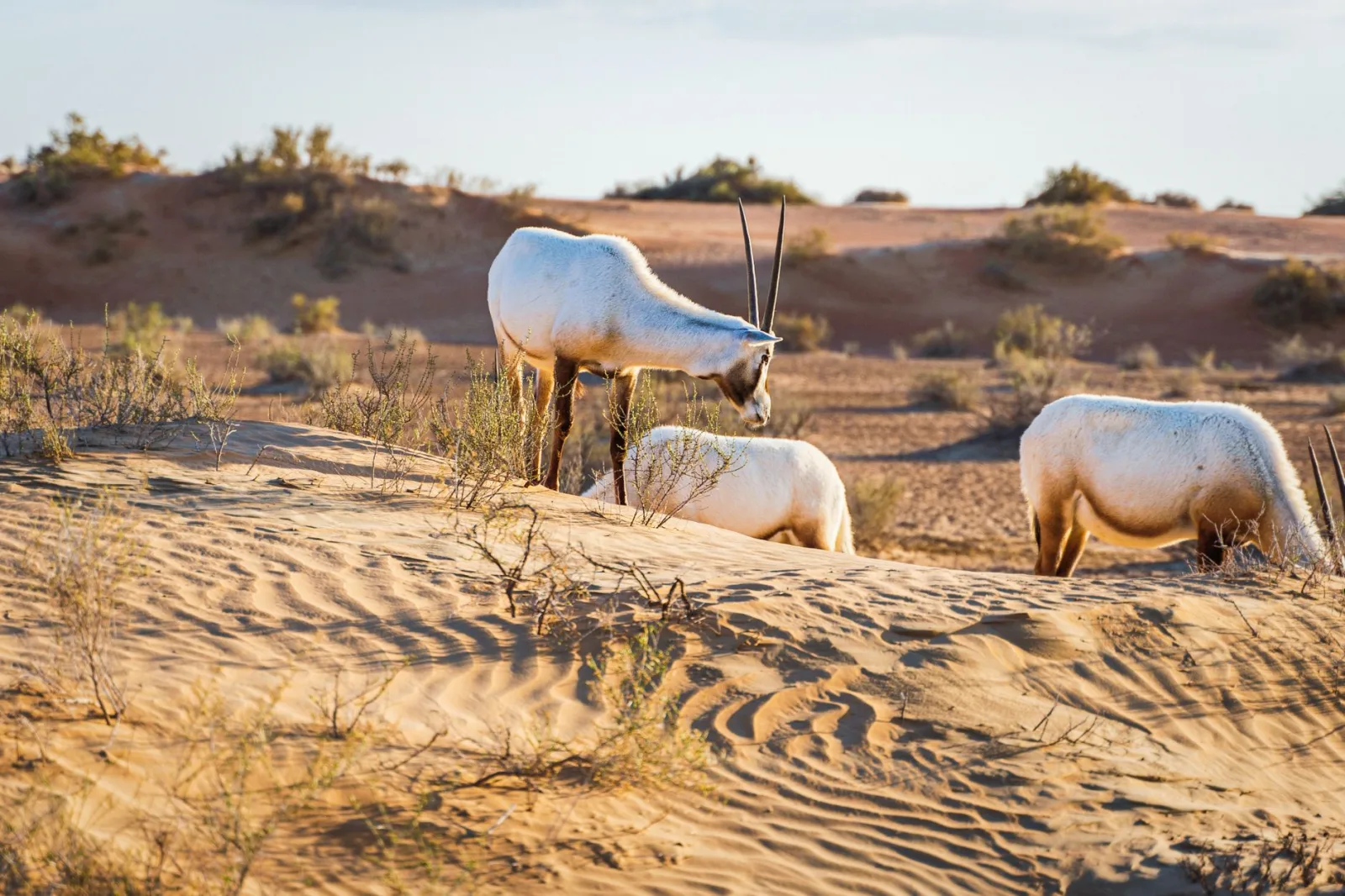
- Arabian Oryx (Oryx leucoryx): Once extinct in the wild, conservation efforts have helped to reintroduce this magnificent antelope back into its natural habitat.
- Sand Gazelle (Gazella marica): This species is well adapted to desert life, capable of surviving with minimal water and is often spotted in the open dunes.
- Arabian Leopard (Panthera pardus nimr): Critically endangered, this elusive predator inhabits the mountainous regions and remains one of the rarest big cats in the world.
These animals play a vital role in their ecosystems, contributing to biodiversity and ecological balance. For instance, the Arabian Oryx helps maintain the health of the desert ecosystem by grazing on plants that could otherwise overgrow.
5. Ecological Conservation Efforts
Conservation is crucial for preserving the unique biodiversity of the Arabian Peninsula. Various organizations and governments are actively working to protect these hidden ecological wonders. Here are some key initiatives:
- Protected Areas: National parks and reserves, such as the Arabian Oryx Sanctuary in Oman, provide safe habitats for endangered species.
- Community Involvement: Local communities are encouraged to participate in conservation efforts, fostering a sense of ownership and responsibility towards their natural heritage.
- Research and Education: Ongoing scientific research aims to understand the ecosystems better and promote awareness through educational programs.
Engaging in these conservation efforts not only aids in protecting rare flora and fauna but also enhances the ecological integrity of the region.
6. Tips for Exploring the Arabian Peninsula’s Ecological Wonders
If you wish to explore the hidden ecological wonders of the Arabian Peninsula, consider these practical tips:
- Research Locations: Identify specific areas known for their biodiversity, such as the Al Hajar Mountains in Oman or the coastal mangroves of the UAE.
- Respect Local Regulations: Always follow guidelines set by local authorities when visiting natural reserves to minimize your impact on the environment.
- Engage with Local Experts: Joining guided tours led by local ecologists can enhance your understanding and appreciation of the region’s unique ecosystems.
By following these tips, you can ensure a responsible and enriching experience while discovering the Arabian Peninsula’s hidden ecological gems.
7. Key Takeaways
The Arabian Peninsula is a treasure trove of hidden ecological wonders, from rare flora to fascinating fauna. Understanding the unique ecosystems and the importance of conservation efforts is crucial for preserving these natural resources. Remember to research, respect local regulations, and engage with local experts when exploring. By doing so, you contribute to the ongoing efforts to protect this remarkable biodiversity.
In summary, the Arabian Peninsula’s ecological wonders offer a unique glimpse into the resilience and adaptability of life in extreme conditions. The next step is to explore these hidden gems responsibly and appreciate the intricate balance of nature in this extraordinary region.