




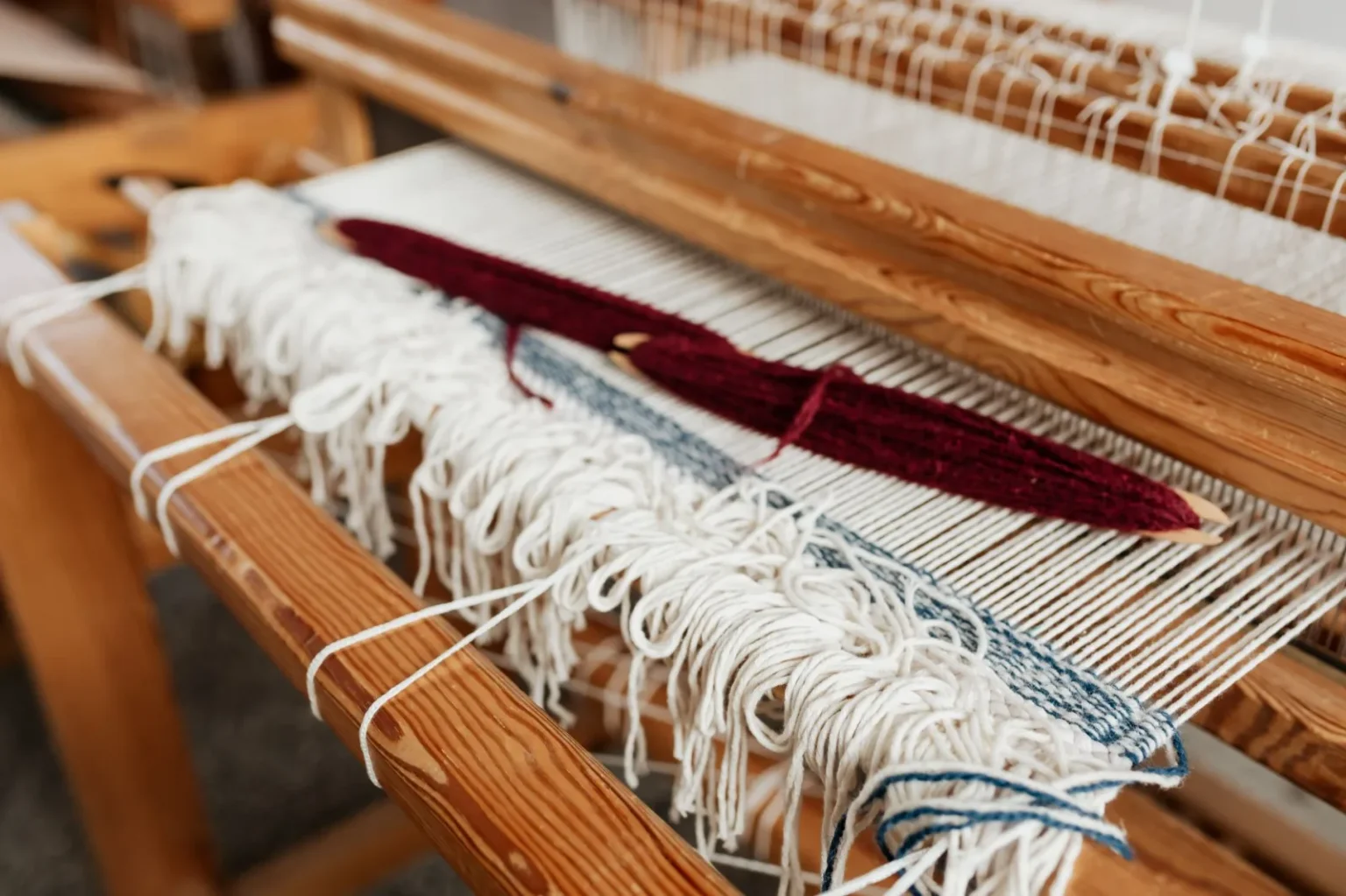

The Essence of Traditional Weaving
Traditional weaving is an intricate art form deeply rooted in the cultural heritage of the Arabian Peninsula. It encompasses a variety of techniques and materials, often reflecting the identity and history of different communities. Weaving is not merely a craft; it serves as a storytelling medium, preserving the experiences and traditions of generations. Understanding this art form requires exploring its techniques, patterns, and the stories behind them.
- The Essence of Traditional Weaving
- 1. Materials Used in Traditional Weaving
- 2. Techniques of Traditional Weaving
- 3. The Role of Hidden Artisans
- 4. Cultural Significance of Weaving
- 5. Challenges Facing Traditional Weaving Today
- 6. How to Experience Traditional Weaving
- 7. Promoting Traditional Weaving
- Conclusion: The Weaving Tapestry of the Arabian Peninsula
1. Materials Used in Traditional Weaving
Weaving in the Arabian Peninsula typically employs various materials, each chosen for its availability and suitability. Common materials include:
- Wool: Often sourced from local sheep, wool is favored for its durability and insulation. It is commonly used in rugs and blankets.
- Cotton: Known for its softness and versatility, cotton is used in lighter textiles like traditional clothing.
- Goat Hair: This material is traditionally used in the making of tents and bags, valued for its strength and resistance to harsh weather.
Understanding these materials is crucial, as they not only impact the final product but also connect the weaver to their environment.
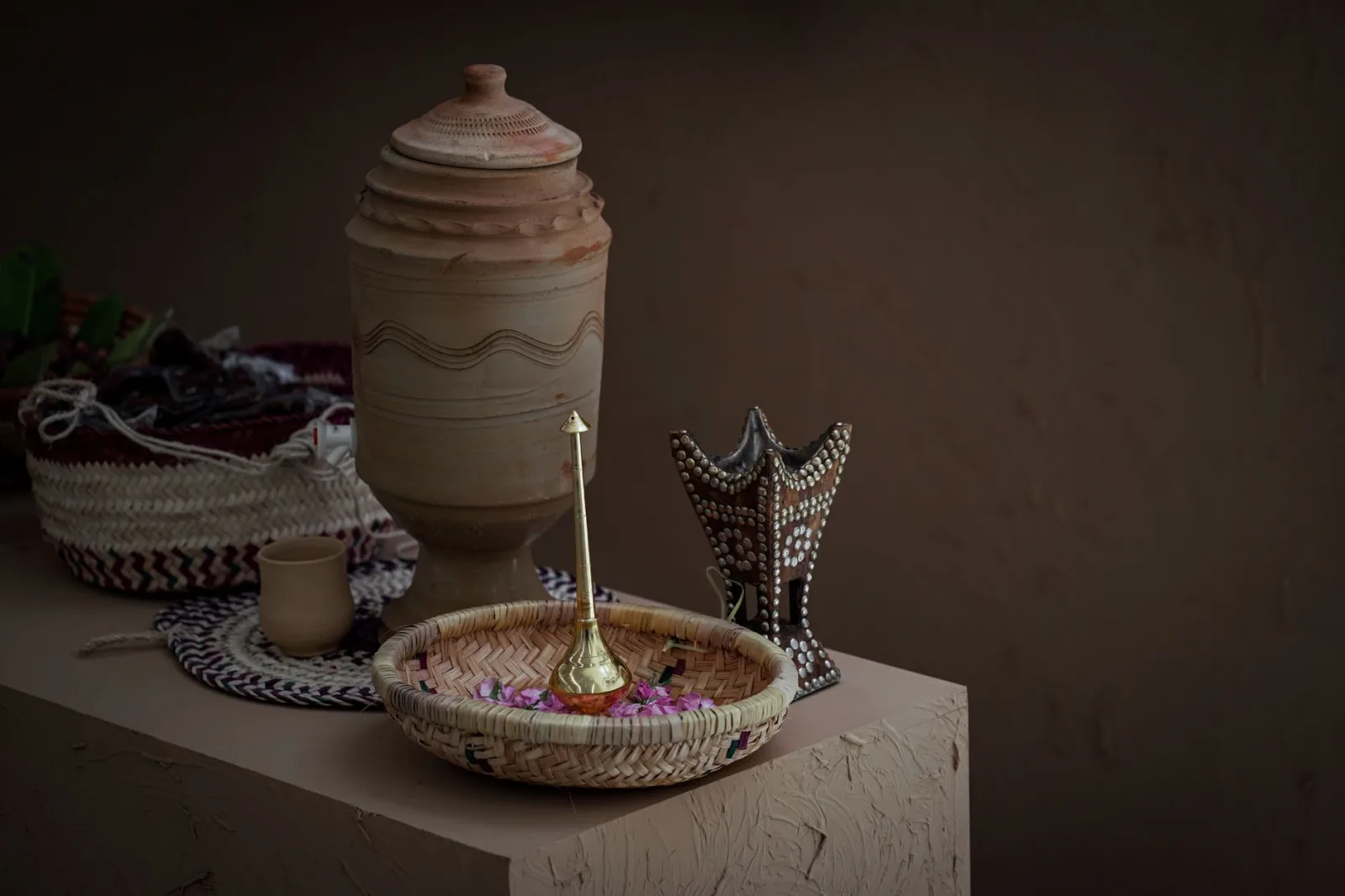
2. Techniques of Traditional Weaving
There are several weaving techniques practiced across the Arabian Peninsula, each with its unique characteristics:
- Hand Loom Weaving: This method involves a loom, where threads are interlaced manually. It’s a time-consuming process that allows for intricate designs.
- Traditional Tapestry Weaving: This technique allows for detailed imagery and patterns, often depicting local stories or landscapes.
- Rug Weaving: A significant aspect of the region’s weaving culture, rugs are crafted using various knotting techniques, resulting in unique textures and patterns.
Each technique reflects the weaver’s skill and cultural identity, making it essential to appreciate the craftsmanship involved.
3. The Role of Hidden Artisans
In the hustle and bustle of modern life, many skilled artisans remain hidden and unrecognized. These individuals often practice traditional weaving in rural or lesser-known areas, preserving their craft against the tide of globalization. Connecting with hidden artisans can be a rewarding experience, offering insights into their techniques and the stories woven into their textiles.
Pro tip: When traveling through the Arabian Peninsula, seek out local markets and craft fairs, where you might encounter these skilled artisans. Engaging with them can lead to a deeper understanding of the craft and potentially uncovering unique pieces to take home.
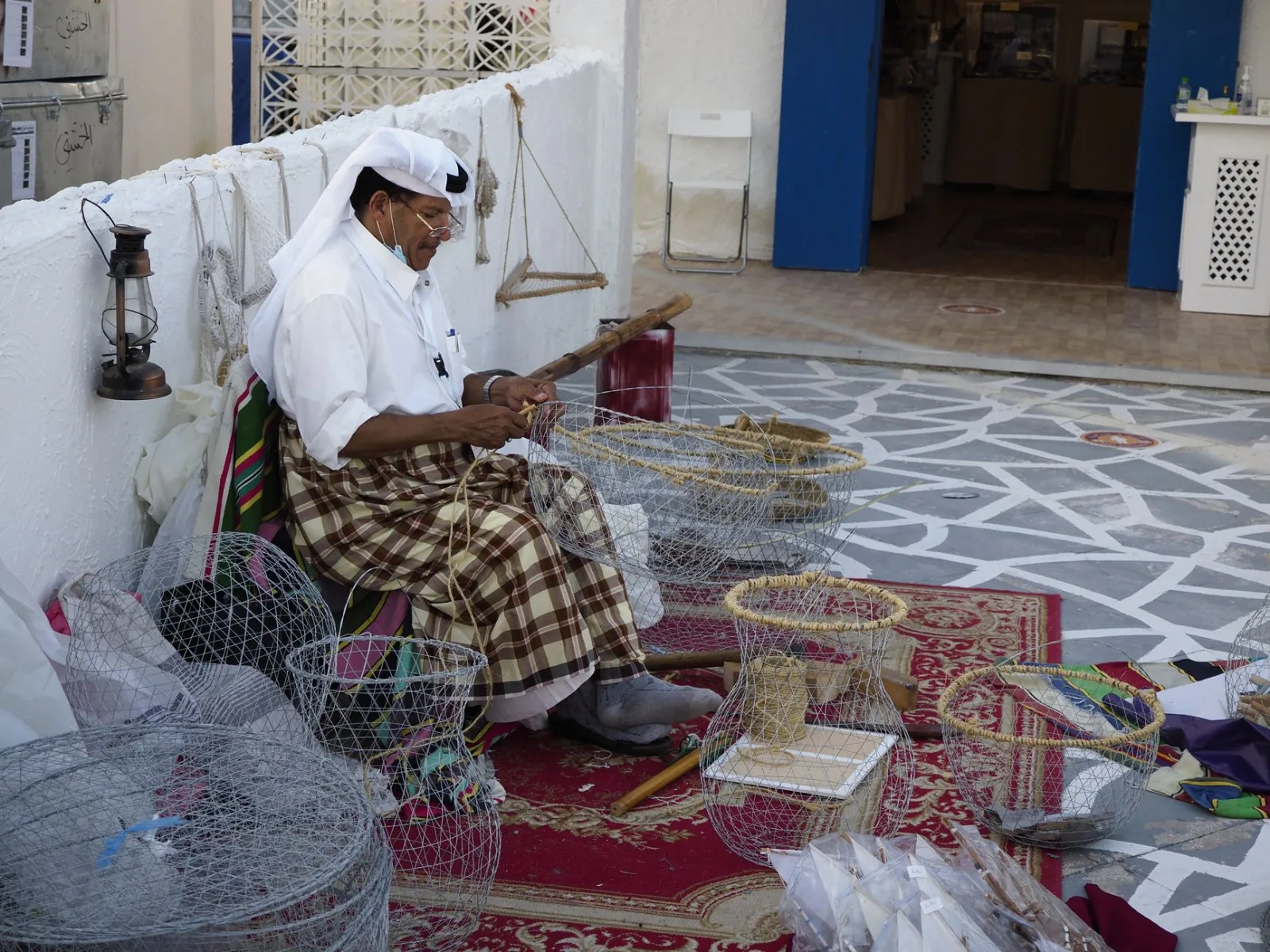
4. Cultural Significance of Weaving
The significance of traditional weaving in the Arabian Peninsula transcends aesthetics. Weaving often embodies cultural narratives, social status, and community identity. For example, specific patterns may signify regional origins, while colors can symbolize particular meanings or sentiments. In some tribes, women’s weaving skills are a measure of their value within the community, often passed down from mother to daughter.
Additionally, weaving plays a role in local celebrations, with textiles used in traditional attire and decorative elements during festivals. This cultural integration makes weaving a vital component of the region’s identity.
5. Challenges Facing Traditional Weaving Today
Despite its rich heritage, traditional weaving faces numerous challenges. One significant threat is the competition from mass-produced textiles, which are often cheaper and more accessible. This shift can lead to a decline in demand for handmade goods, putting pressure on artisans to abandon their craft.
Another challenge is the aging population of skilled weavers. Many young people are less inclined to learn traditional techniques, preferring modern occupations. This generational gap risks losing valuable knowledge and skills.
Important note: Supporting local artisans by purchasing their goods and sharing their stories is crucial in preserving this craft.
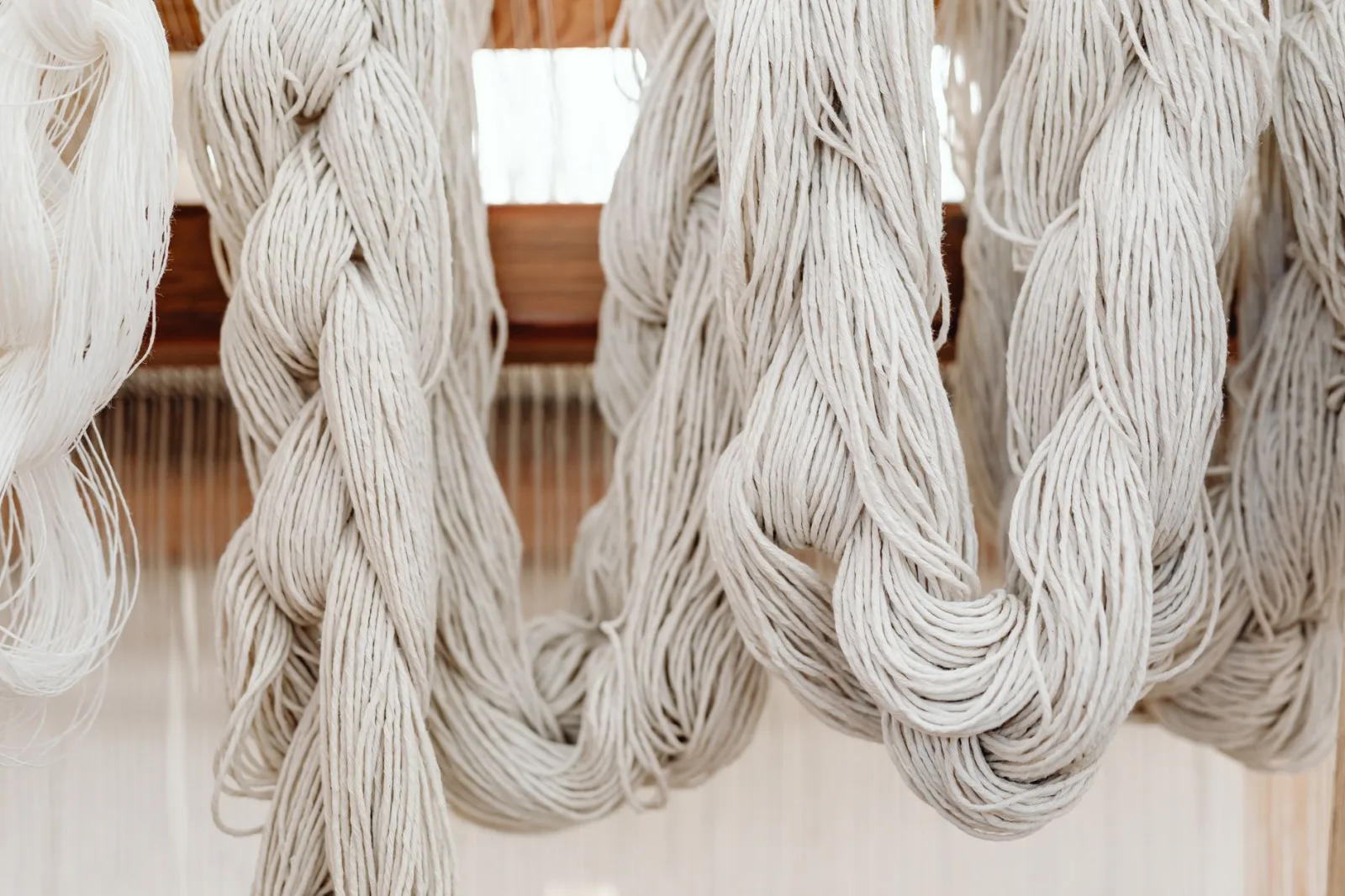
6. How to Experience Traditional Weaving
If you’re interested in experiencing traditional weaving firsthand, consider the following options:
- Workshops: Search for local workshops or classes. Many artisans offer lessons in weaving techniques, allowing you to learn directly from experts.
- Artisan Tours: Participate in tours that focus on local crafts. These experiences often include visits to weaving studios and opportunities to observe the weaving process.
- Cultural Festivals: Attend local festivals where traditional crafts are celebrated. These events often feature live demonstrations and provide a chance to interact with artisans.
Engaging in these activities not only enriches your understanding but also supports the continuation of traditional practices.
7. Promoting Traditional Weaving
To help keep the art of traditional weaving alive, consider these actions:
- Advocacy: Support organizations that promote traditional crafts, helping to raise awareness and provide resources to artisans.
- Social Media: Use platforms to share the stories and works of hidden artisans. Highlighting their craft can attract more interest and support.
- Sustainable Practices: Encourage sustainable practices within the weaving community, such as using locally sourced materials and eco-friendly dyes.
By taking these steps, you contribute to a larger movement aimed at preserving cultural heritage.
Conclusion: The Weaving Tapestry of the Arabian Peninsula
Traditional weaving in the Arabian Peninsula is more than just a craft; it’s a vibrant tapestry of culture, history, and identity. By understanding the materials, techniques, and the stories of hidden artisans, you gain insight into a rich tradition that deserves to be celebrated. Remember, each woven piece carries a legacy, and supporting these artisans ensures that their craft continues to thrive for future generations.
Key takeaways:
- Traditional weaving is deeply rooted in the cultural identity of the Arabian Peninsula.
- Materials and techniques vary, contributing to the uniqueness of each piece.
- Supporting hidden artisans is vital for preserving this craft.
- Engaging in workshops and festivals can enhance your experience of traditional weaving.
For those interested in exploring more about the Arabian Peninsula’s rich cultural heritage, consider reading The Hidden Story of the Arabian Peninsula’s Ancient Trade Routes and Exploring the Hidden Gastronomy of Remote Villages in the Arabian Peninsula.