





1. Understanding the Hidden Literary Gems of the Arabian Peninsula
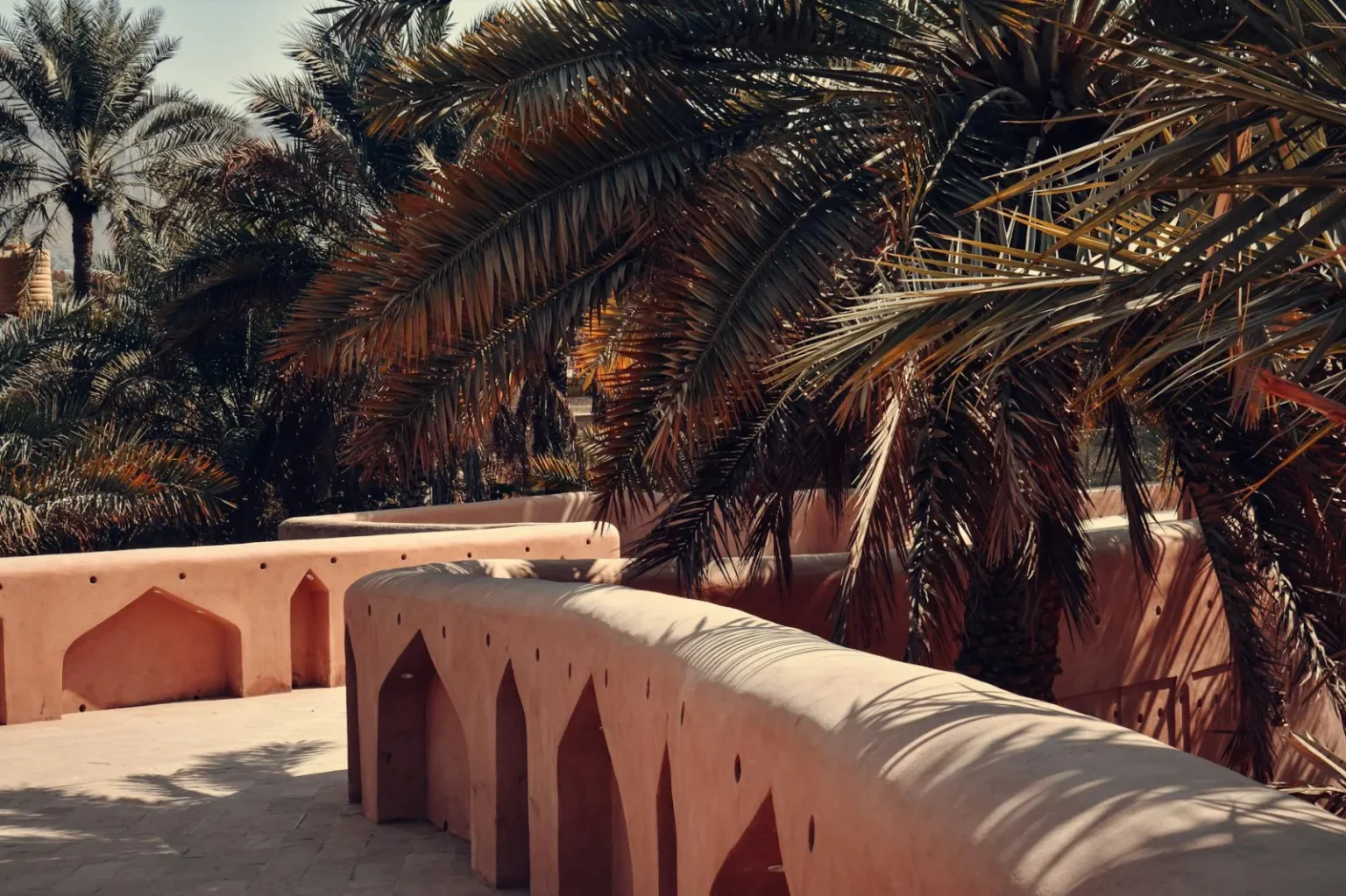
The Arabian Peninsula is often regarded for its vast deserts and modern cities; however, it also harbors a wealth of hidden literary gems that reflect its rich cultural heritage. These stories, often overshadowed by mainstream narratives, offer insights into the region’s history, traditions, and evolving identity. By exploring these lesser-known works, you can gain a deeper appreciation for the diverse voices that shape Arabian literature.
- 1. Understanding the Hidden Literary Gems of the Arabian Peninsula
- 2. Discovering Local Authors and Their Influences
- 3. Exploring Folklore and Oral Traditions
- 4. The Role of Poetry in Arabian Literature
- 5. Literary Festivals and Events
- 6. The Intersection of Culture and Literature
- 7. Visiting Literary Landmarks
- Conclusion: Embrace the Journey Through Untold Stories
2. Discovering Local Authors and Their Influences
To truly appreciate the hidden literary landscapes, you should start by familiarizing yourself with local authors. Writers such as the late Ghazi Al-Gosaibi from Saudi Arabia and Hanan Al-Shaykh from Lebanon provide unique perspectives on societal issues through their novels and essays. Their works often weave personal narratives into broader cultural contexts, making them relatable and poignant.
For example, Al-Gosaibi’s novel “The Tails of the City” critiques urban life while revealing the deeper emotional currents of its characters. Understanding these local influences helps contextualize the stories within their cultural and historical backgrounds.
3. Exploring Folklore and Oral Traditions
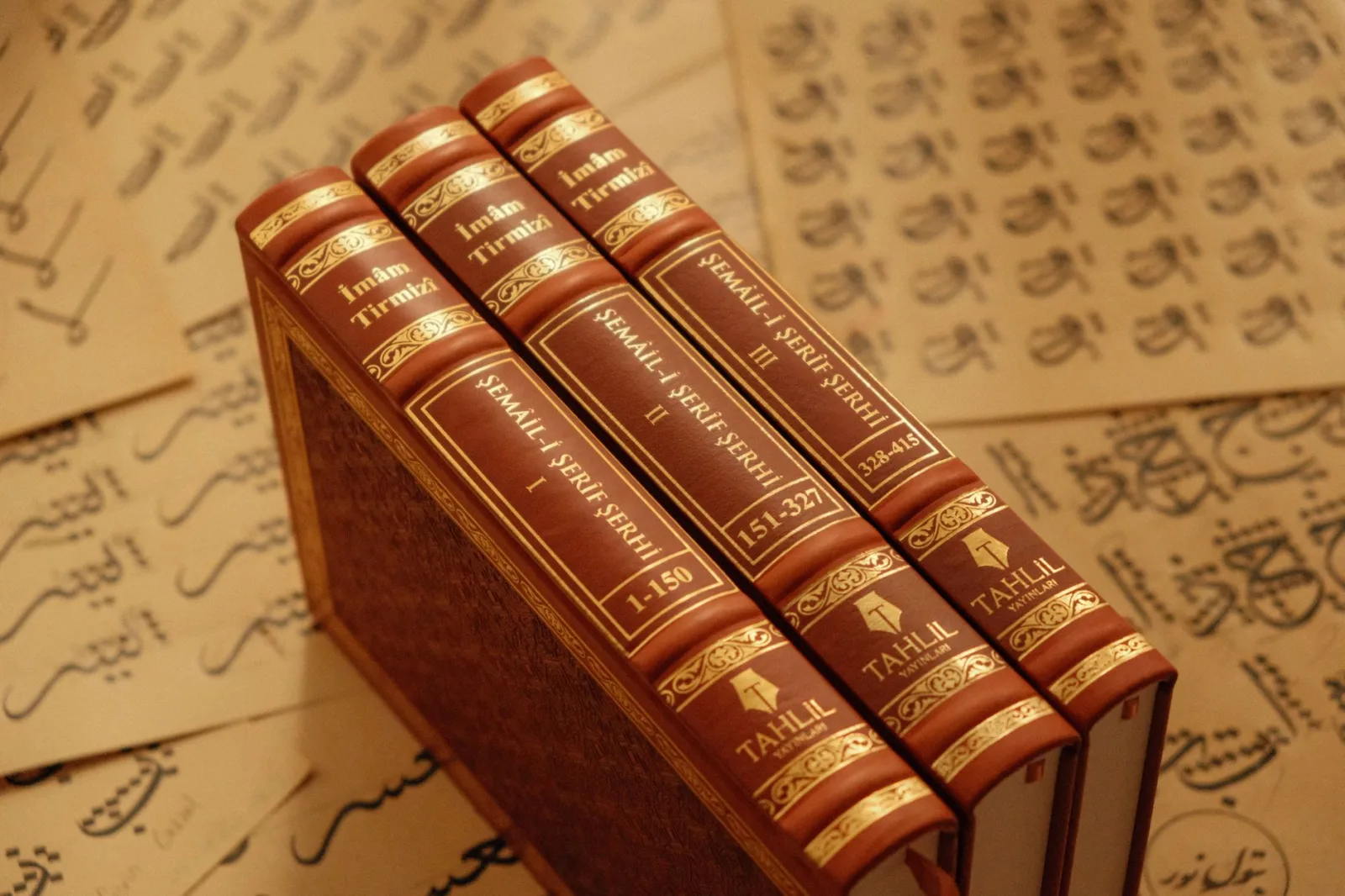
Folklore plays a crucial role in the literary landscape of the Arabian Peninsula. Oral traditions, passed down through generations, contain vibrant tales of heroism, moral lessons, and supernatural events. Engaging with these narratives can deepen your connection to the culture.
For instance, the story of “Antarah ibn Shaddad,” a legendary poet and warrior, illustrates themes of honor and love. These tales often serve as a lens through which you can view societal values and historical events. To uncover these stories, consider visiting local libraries or cultural centers that focus on oral history collection.
4. The Role of Poetry in Arabian Literature
Poetry is a significant aspect of Arabian literature, often celebrated for its emotional depth and linguistic beauty. Many poets express their sentiments through classical forms like Qasida, while modern poets experiment with free verse to address contemporary issues.
For example, the works of Adonis, a prominent Syrian poet, reflect the complexities of identity and belonging in the modern Arab world. You can read collections of poetry in local bookstores or online platforms to appreciate the variety of styles and themes. Important note: pay attention to the cultural context in which these poems were written, as it can greatly influence their meaning.
5. Literary Festivals and Events
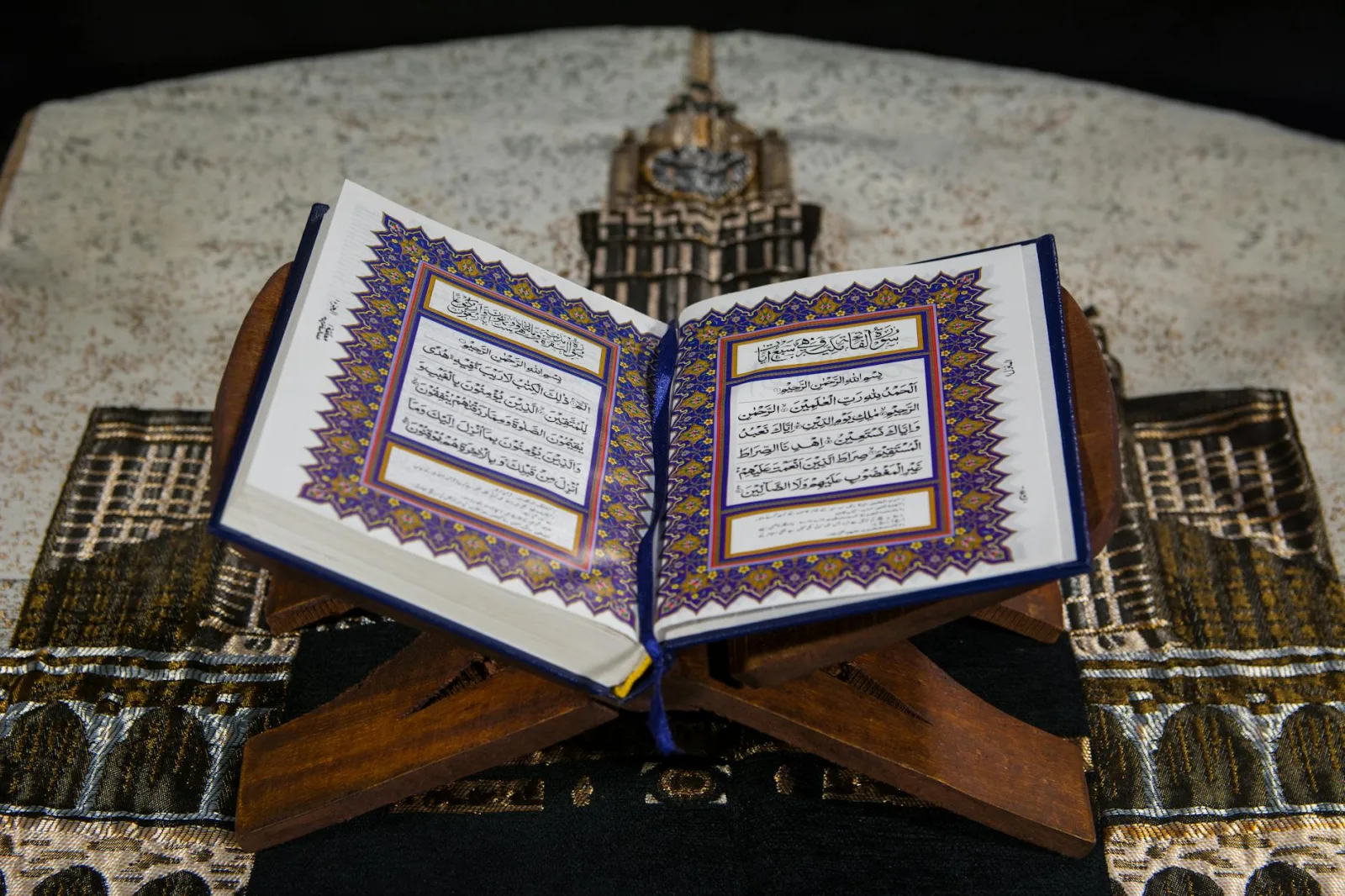
Participating in literary festivals is an excellent way to immerse yourself in the hidden literary landscapes of the Arabian Peninsula. Events like the Emirates Airline Festival of Literature and the Abu Dhabi International Book Fair showcase local talent and provide platforms for discussions on literary themes.
Attending these gatherings allows you to meet authors, listen to readings, and engage in workshops. Furthermore, these festivals often highlight underrepresented voices, giving you access to a wealth of untold stories. Pro tip: check their websites for schedules and ticket information to plan your visit.
6. The Intersection of Culture and Literature
Literature in the Arabian Peninsula often intersects with cultural heritage, providing insights into traditional practices, folklore, and societal norms. By exploring this intersection, you can better understand the dynamics that influence literary expression.
For example, the works of poet Nizar Qabbani often reflect the struggles of women in Arab societies, addressing themes of love, politics, and identity. To delve deeper, you might consider reading his poetry alongside cultural studies that explore the societal issues he addresses. This dual approach enriches your understanding of both the literature and the culture it emerges from.
7. Visiting Literary Landmarks
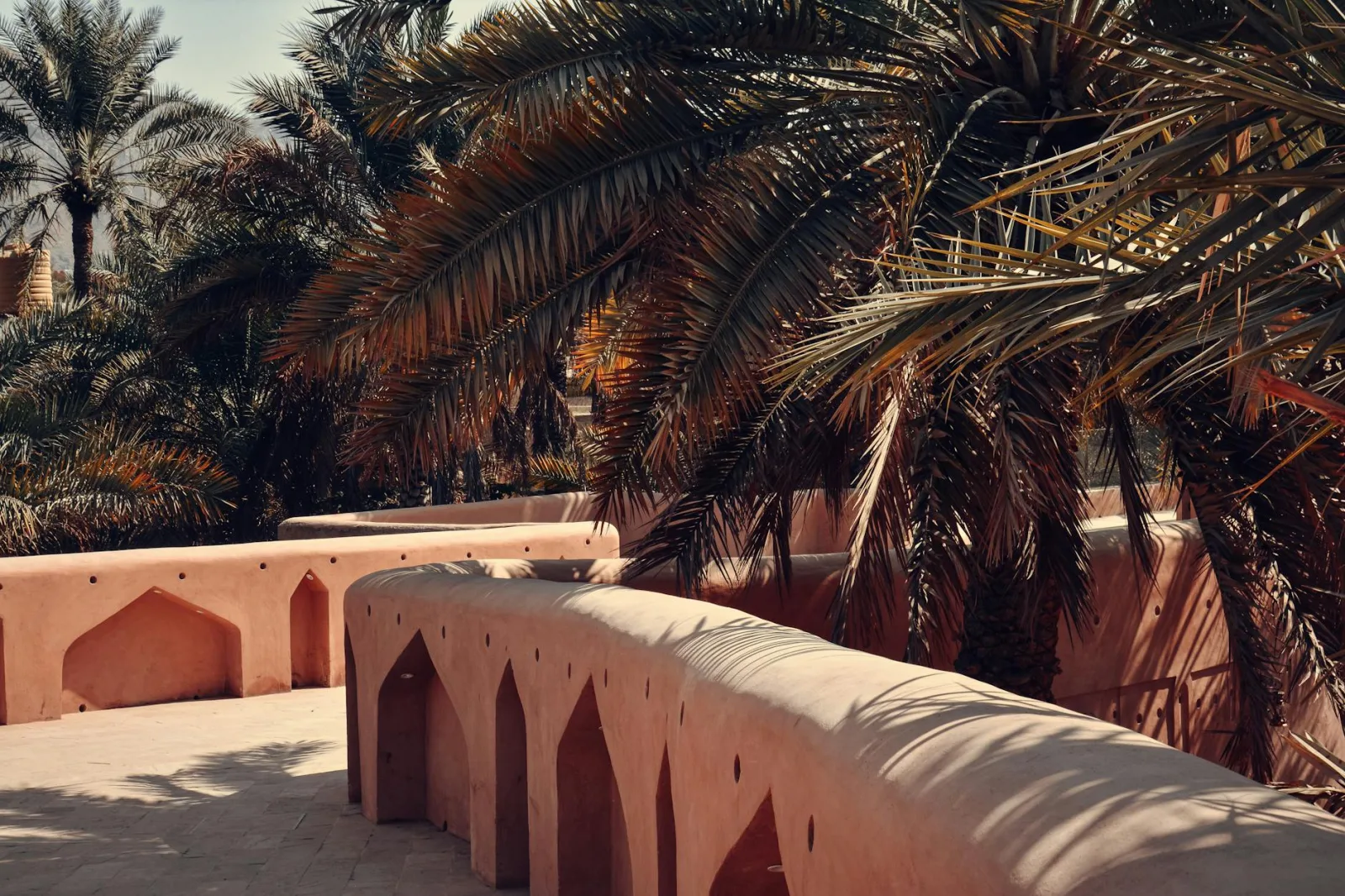
While exploring hidden literary gems, consider visiting significant literary landmarks across the Arabian Peninsula. Many cities boast museums, libraries, and historical sites that pay homage to their literary heritage. For example, the House of Poetry in Dubai celebrates local poets and hosts regular readings.
Additionally, the city of Muscat in Oman is home to the Sultan Qaboos Grand Mosque, where you can find inscriptions of famous Arabic poetry. Engaging with these spaces not only enhances your literary journey but also connects you to the cultural roots of the region.
Conclusion: Embrace the Journey Through Untold Stories
Exploring the hidden literary landscapes of the Arabian Peninsula can be an enriching experience. By engaging with local authors, folklore, poetry, and attending literary events, you can uncover a wealth of untold stories that reflect the region’s cultural heritage. Remember to approach these literary works with an open mind and a willingness to understand the cultural contexts in which they were created. By doing so, you not only broaden your literary horizons but also deepen your appreciation for the diverse voices that contribute to the tapestry of Arabian literature.
In summary, the journey through these hidden literary gems is not just about reading; it’s about connecting with the heart and soul of the Arabian Peninsula. So, take the time to explore, engage, and immerse yourself in the rich narratives that await you.