






Unveiling Hidden Architecture in the Arabian Peninsula
The Arabian Peninsula is a treasure trove of hidden architecture, showcasing a blend of historical buildings and cultural heritage that often goes unnoticed. Throughout its vast deserts and bustling cities, you’ll find structures that tell stories of ancient civilizations, trade routes, and the evolution of architectural styles influenced by various cultures. This article will guide you through some of the most significant yet overlooked architectural wonders of the region.
- Unveiling Hidden Architecture in the Arabian Peninsula
- 1. The Mystique of AlUla
- 2. The Forts of Oman
- 3. The Abandoned Villages of Yemen
- 4. The Historic Town of Diriyah
- 5. The Cultural Heritage of Qatar’s Souq Waqif
- 6. The Ruins of Al-Balad in Jeddah
- 7. The Ancient City of Al-Baida
- Conclusion: Embracing the Journey of Discovery
1. The Mystique of AlUla
AlUla, located in northwestern Saudi Arabia, is home to Nabatean tombs that rival Petra in Jordan but are far less crowded. These ancient structures, carved into sandstone cliffs, serve as a reminder of the region’s historical importance as a trade route. To truly appreciate AlUla, consider taking guided tours that offer insights into the lives of those who built these remarkable structures. Bring your camera — the dramatic landscape and intricate carvings make for stunning photographs.
2. The Forts of Oman
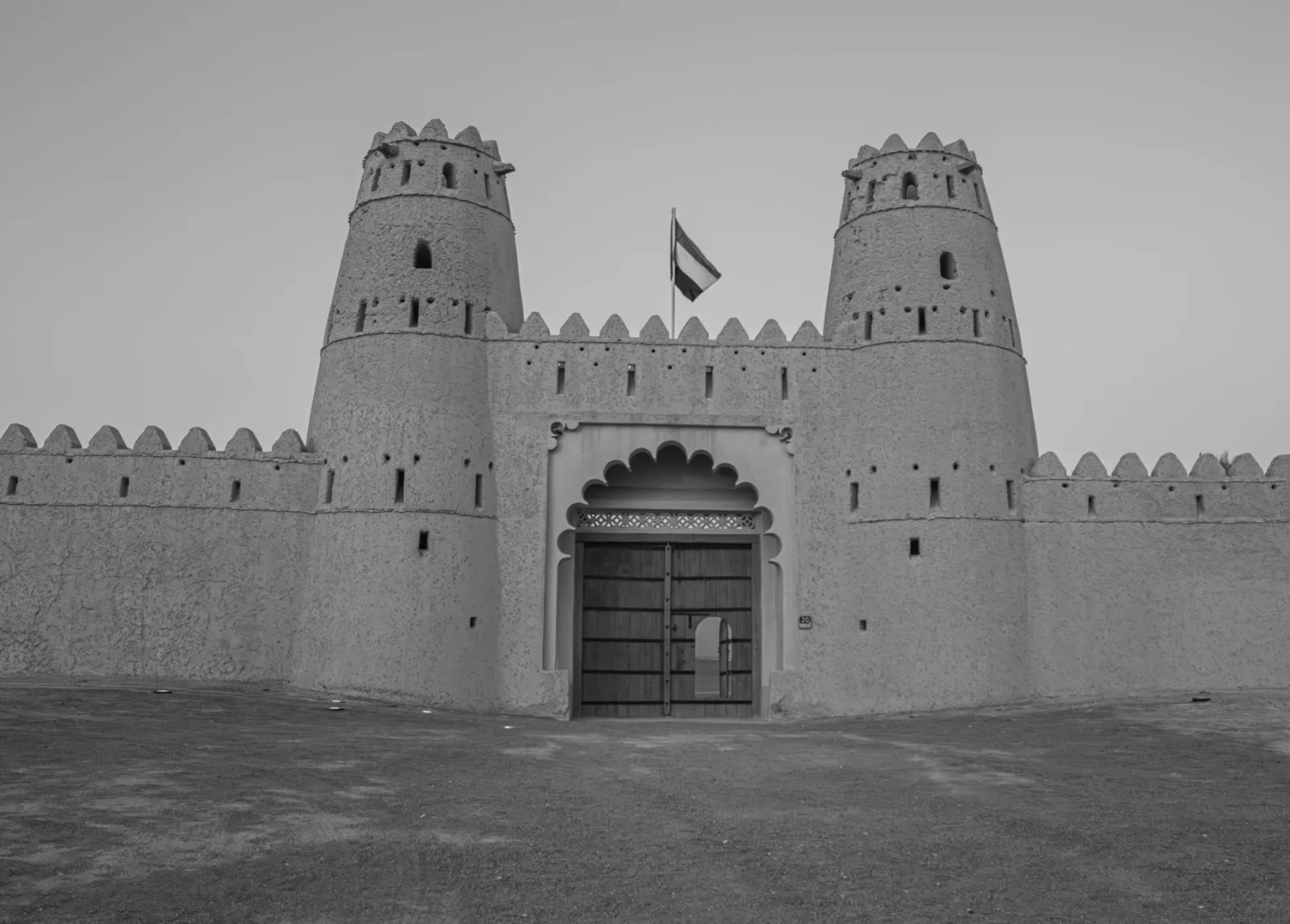
Oman is dotted with numerous forts that reflect the country’s rich cultural heritage. One notable example is the Bahla Fort, a UNESCO World Heritage Site, which dates back to the 12th century. Its mud-brick architecture and surrounding date palm oasis provide a picturesque view of Omani history. When visiting, take time to explore the surrounding town, as it offers local crafts and traditional Omani hospitality.
3. The Abandoned Villages of Yemen
Yemen’s architecture is as diverse as its landscape. The ancient mud-brick village of Shibam, often referred to as the “Manhattan of the Desert,” features tall, tower-like structures that date back to the 16th century. These buildings showcase early urban planning and are built to withstand the harsh environment. However, be cautious when exploring these areas due to safety concerns and political instability. Always check travel advisories before planning your visit.
4. The Historic Town of Diriyah
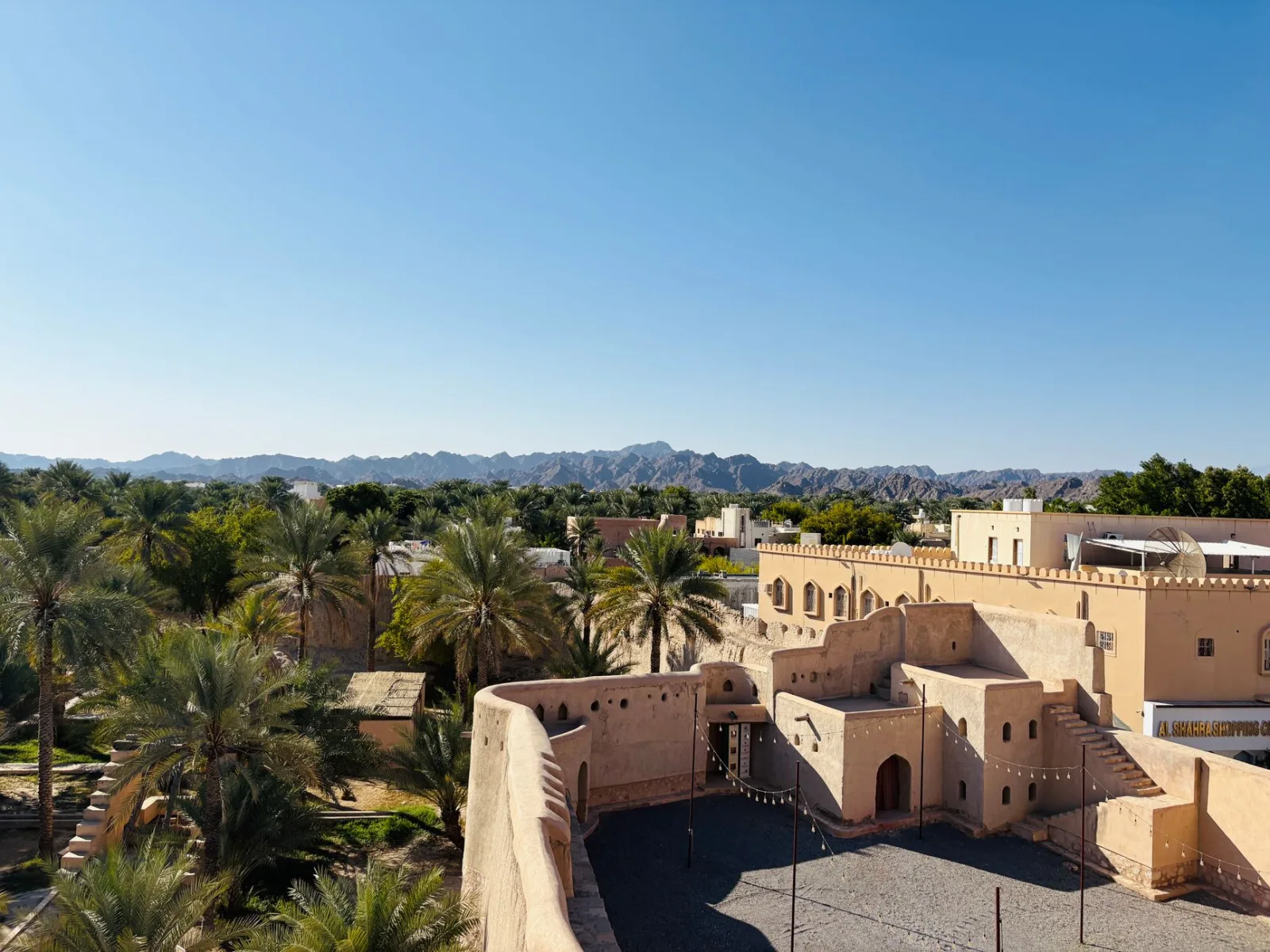
Diriyah, the birthplace of the Saudi Kingdom, is another hidden gem worth exploring. This UNESCO World Heritage Site features mud-brick structures that exemplify traditional Najdi architecture. Walk through the ruins of At-Turaif, where you can imagine the grandeur of this once-thriving town. Guided tours often include stories of the early Saudi rulers, enhancing your understanding of its historical significance.
5. The Cultural Heritage of Qatar’s Souq Waqif
While not entirely hidden, Souq Waqif in Doha offers a glimpse into Qatar’s architectural heritage. The market is constructed in a traditional Qatari style, with narrow alleyways and mud-rendered buildings. Here, you can find artisanal crafts, spices, and traditional clothing. Pro tip: visit in the evening when the market comes alive with local music and food stalls, creating a vibrant atmosphere that reflects the heart of Qatari culture.
6. The Ruins of Al-Balad in Jeddah
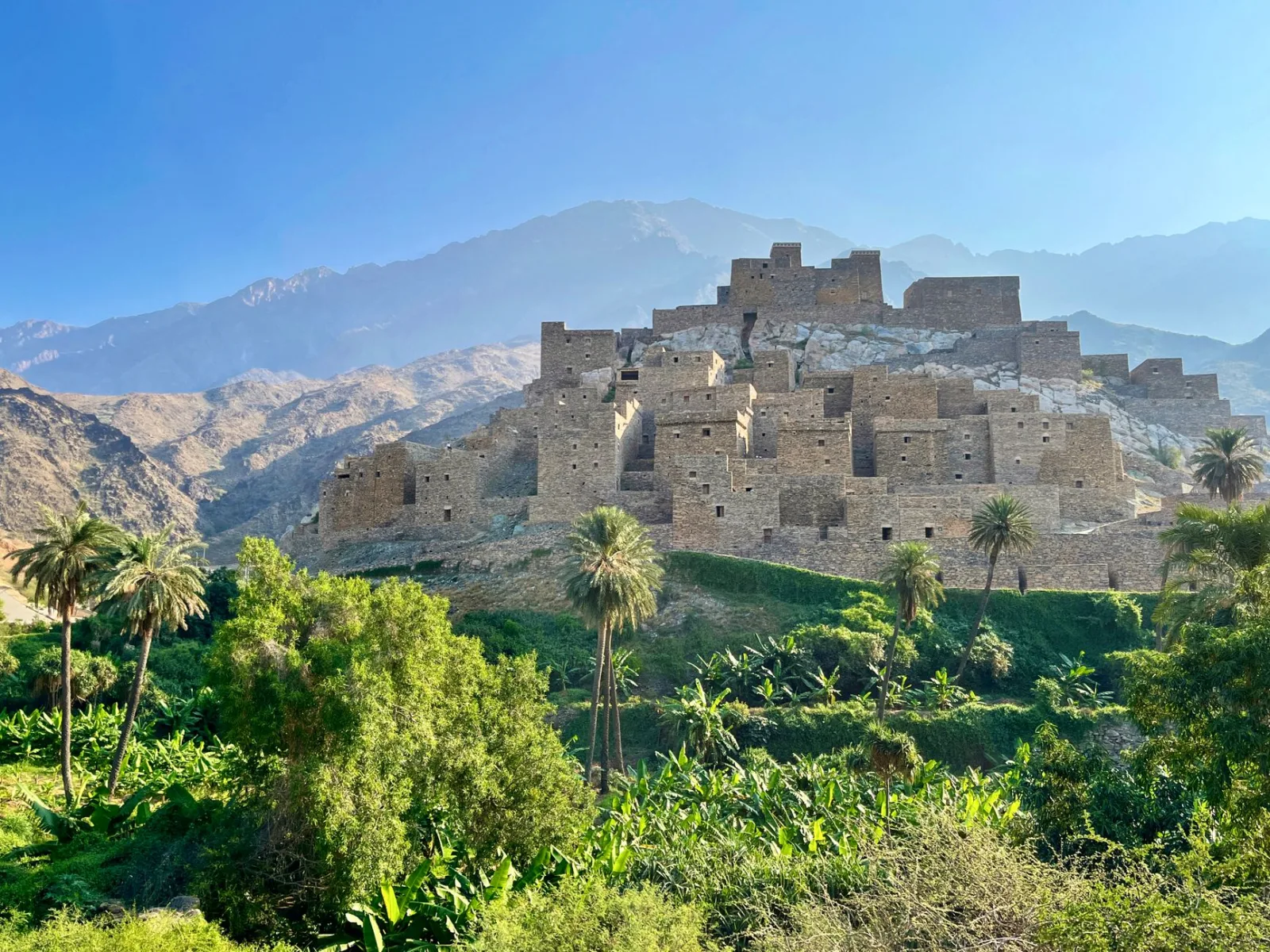
Al-Balad, the historic district of Jeddah, is a UNESCO World Heritage Site renowned for its traditional coral houses. The architecture here showcases the influence of Indian, African, and Turkish styles, reflecting Jeddah’s role as a trading port. Explore the narrow streets and discover beautifully restored buildings that now house art galleries and cafes. Important note: while wandering, be respectful of the locals and their customs.
7. The Ancient City of Al-Baida
Located near the ancient trade routes, Al-Baida is often overlooked by travelers. This archaeological site features remnants of ancient buildings and structures that date back to early Islamic civilization. The ruins provide a unique glimpse into the lifestyle of the people who once inhabited this area. To enhance your experience, consider hiring a local guide who can share fascinating stories about the site’s history.
Conclusion: Embracing the Journey of Discovery
The hidden architectural wonders of the Arabian Peninsula offer a profound insight into the region’s rich cultural heritage. As you explore these historical buildings, you not only witness the artistry of ancient architects but also connect with the stories and traditions that have shaped the identities of these places. Remember, the journey through forgotten structures is as much about the experience as it is about the destination. Keep an open mind, engage with the local communities, and take the time to appreciate the beauty that lies beyond the well-trodden tourist paths. For further exploration of the region’s hidden gems, consider checking out Exploring the Hidden Architectural Marvels of the Arabian Peninsula.