






Understanding Egypt’s Agricultural Landscape
Egypt is not only known for its breathtaking pyramids and vibrant culture but also for its diverse agricultural markets. These markets are a treasure trove for both locals and visitors seeking fresh produce. The agricultural sector in Egypt plays a crucial role in the economy, providing livelihoods for millions and showcasing the country’s rich farming traditions.
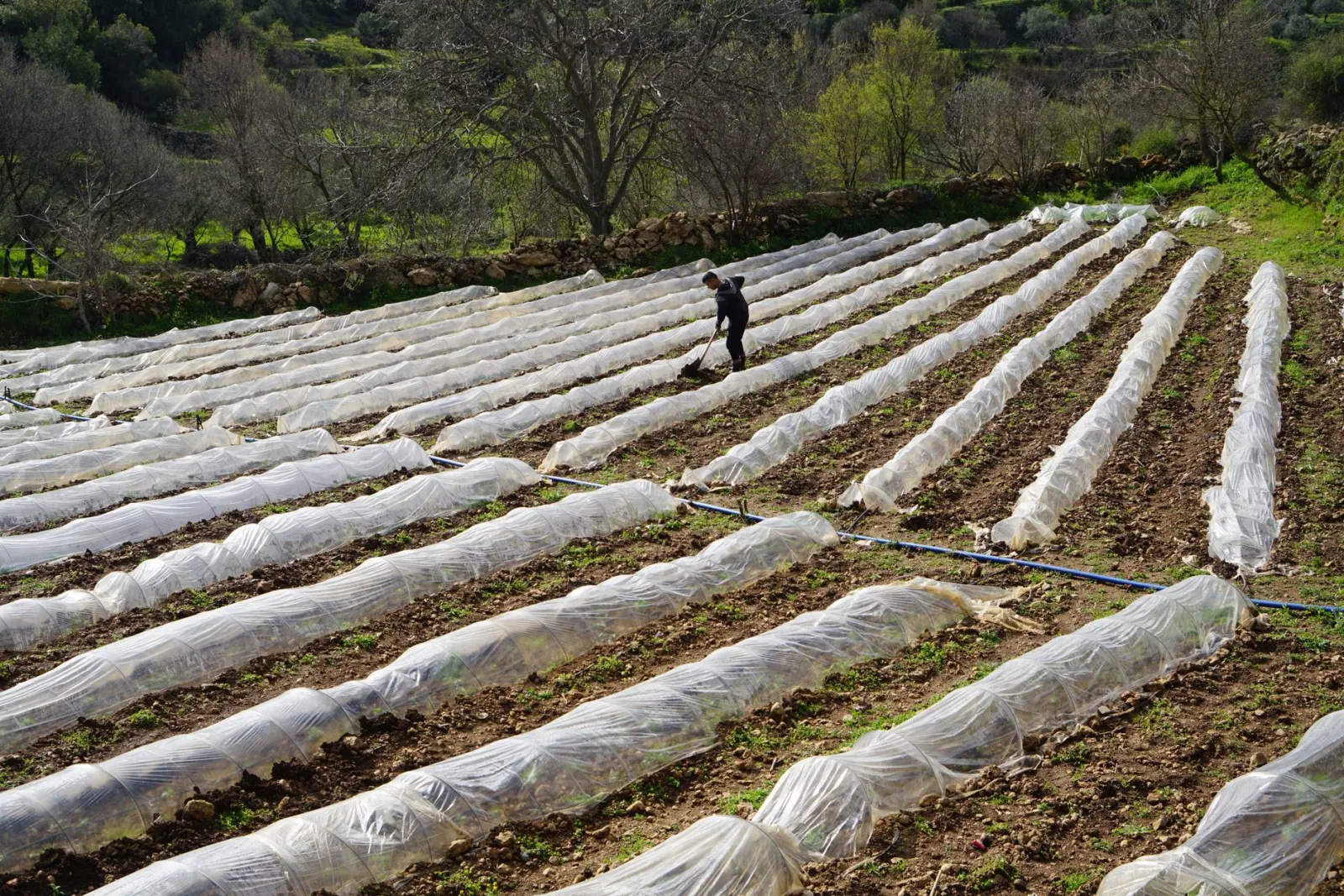
To fully appreciate Egypt’s agricultural markets, it’s essential to understand the local farming practices and the varieties of produce available. Many farmers engage in sustainable practices, prioritizing organic methods over chemical fertilizers and pesticides. This is particularly evident in regions such as the Nile Delta and Upper Egypt, where traditional farming methods are still prevalent.
Finding Local Fresh Produce
Firstly, you’ll want to know where to find fresh produce. The best way to start is by visiting local markets, commonly referred to as souks. These bustling markets offer a wide array of fruits, vegetables, herbs, and spices. Each market has its peak days, so your experience may vary based on when you visit.
For example, the famous Khan El Khalili market in Cairo is not just about souvenirs; it also offers incredible local produce. Here, you can find everything from fresh pomegranates to fragrant herbs like mint and coriander. Additionally, do not miss the Aswan Market where local farmers sell their fresh catch, fruits, and vegetables directly to consumers.
Key Steps to Navigating Agricultural Markets
When you step into an agricultural market, consider these practical steps to enhance your experience:
- Do Your Research: Before visiting, research the types of produce in season. Egyptian fruits like dates, oranges, and figs are typically abundant in summer, while root vegetables are plentiful during winter.
- Arrive Early: Markets are often busiest in the morning. Arriving early not only gives you the best selection but also allows you to engage more with local vendors.
- Engage with Vendors: Don’t hesitate to ask questions. Vendors are usually more than happy to share stories about their produce and farming methods. This interaction can lead to discovering unique items you might not find elsewhere.
- Sample Before You Buy: Many vendors allow you to taste fruits or vegetables before purchasing. This is particularly useful for items like olives or cheeses, where quality can vary significantly.
- Negotiate Prices: Haggling is a common practice in Egyptian markets. Be polite but firm, and you might end up with better deals!
Understanding Sustainable Practices in Agriculture
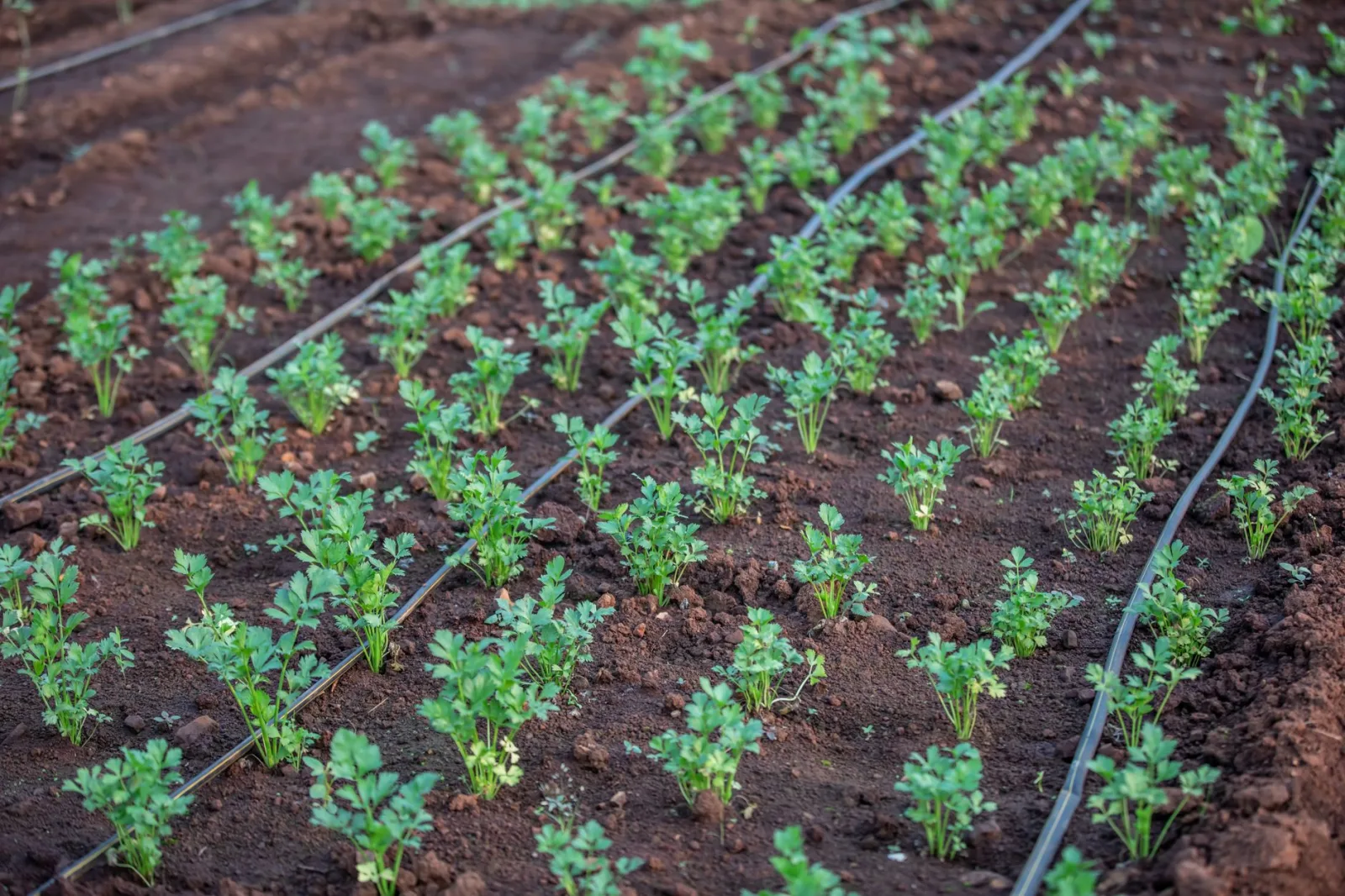
Important note: When exploring these markets, it’s beneficial to understand the sustainable practices employed by local farmers. Many farmers in Egypt are adopting eco-friendly methods, such as crop rotation and organic pest control, which not only enhance soil health but also improve the quality of produce.
For instance, some farmers cultivate heirloom varieties of tomatoes and peppers that are not only tastier but also better suited to the local environment. This practice helps preserve biodiversity and offers you a chance to enjoy unique flavors that may not be available in supermarkets.
Common Mistakes to Avoid
While navigating Egypt’s agricultural markets can be an enjoyable experience, there are common mistakes you should avoid:
- Ignoring Seasonal Produce: Purchasing out-of-season fruits or vegetables can lead to disappointment in both flavor and quality. Make sure to familiarize yourself with what’s in season.
- Overlooking Local Specialties: Each region may have its unique produce. For instance, the Delta is known for its rice, while Upper Egypt is famed for its figs. Trying local specialties enhances your culinary experience.
- Not Bringing Cash: Many vendors do not accept cards, so it’s wise to carry enough cash. Additionally, small denominations can be handy for smaller purchases.
Making Sustainable Choices
When you visit these agricultural markets, you have the opportunity to make sustainable choices. Supporting local farmers not only helps the economy but also promotes environmentally friendly farming practices. By purchasing directly from farmers, you reduce the carbon footprint associated with transporting food from far-off locations.
Moreover, consider buying organic produce when available. Although it may be slightly more expensive, the benefits of consuming chemical-free foods make it worth the investment. You’re not just buying food; you’re supporting a sustainable lifestyle.

Conclusion: Embracing the Full Experience
Navigating Egypt’s agricultural markets offers more than just fresh produce; it provides a glimpse into the country’s culture and traditions. By following the tips outlined above, you can enhance your market experience and support sustainable practices. Remember to engage with vendors, embrace seasonal produce, and make informed choices that contribute to both your health and the environment.
As you explore these markets, you’re not just a visitor; you become part of a vibrant community that values quality, sustainability, and tradition. So, the next time you find yourself in Egypt, take a step off the beaten path and immerse yourself in the rich agricultural landscape.
Key Takeaways
- Explore local markets for a diverse range of fresh produce.
- Engage with vendors to learn about sustainable practices.
- Avoid common mistakes to make the most of your market experience.
- Support local farmers by making informed purchasing decisions.