





Understanding Hidden Soundscapes
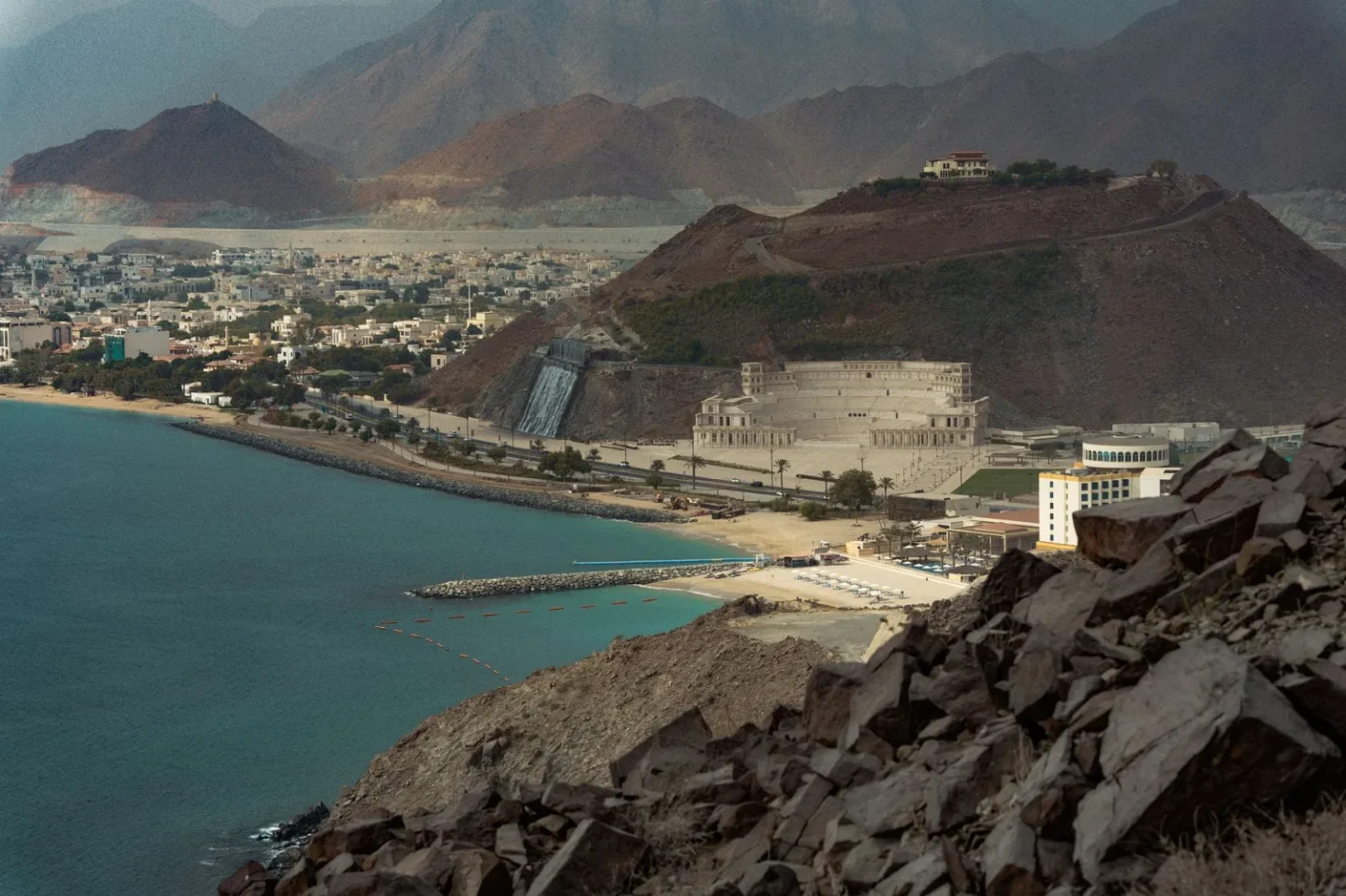
Hidden soundscapes encompass the unique auditory experiences tied to a specific culture or region. In the Arabian Peninsula, these sounds often reflect the rich tapestry of local traditions, music, and natural environments. By exploring these soundscapes, you not only experience the culture but also engage with its history and community.
- Understanding Hidden Soundscapes
- 1. The Role of Local Music
- 2. Cultural Sounds Beyond Music
- 3. Nature’s Soundscapes
- 4. Regional Variations in Sound
- 5. Festivals and Events: A Melodic Experience
- 6. Soundscapes as a Reflection of Identity
- 7. Engaging with Local Communities
- Conclusion: The Power of Sound in Travel
1. The Role of Local Music
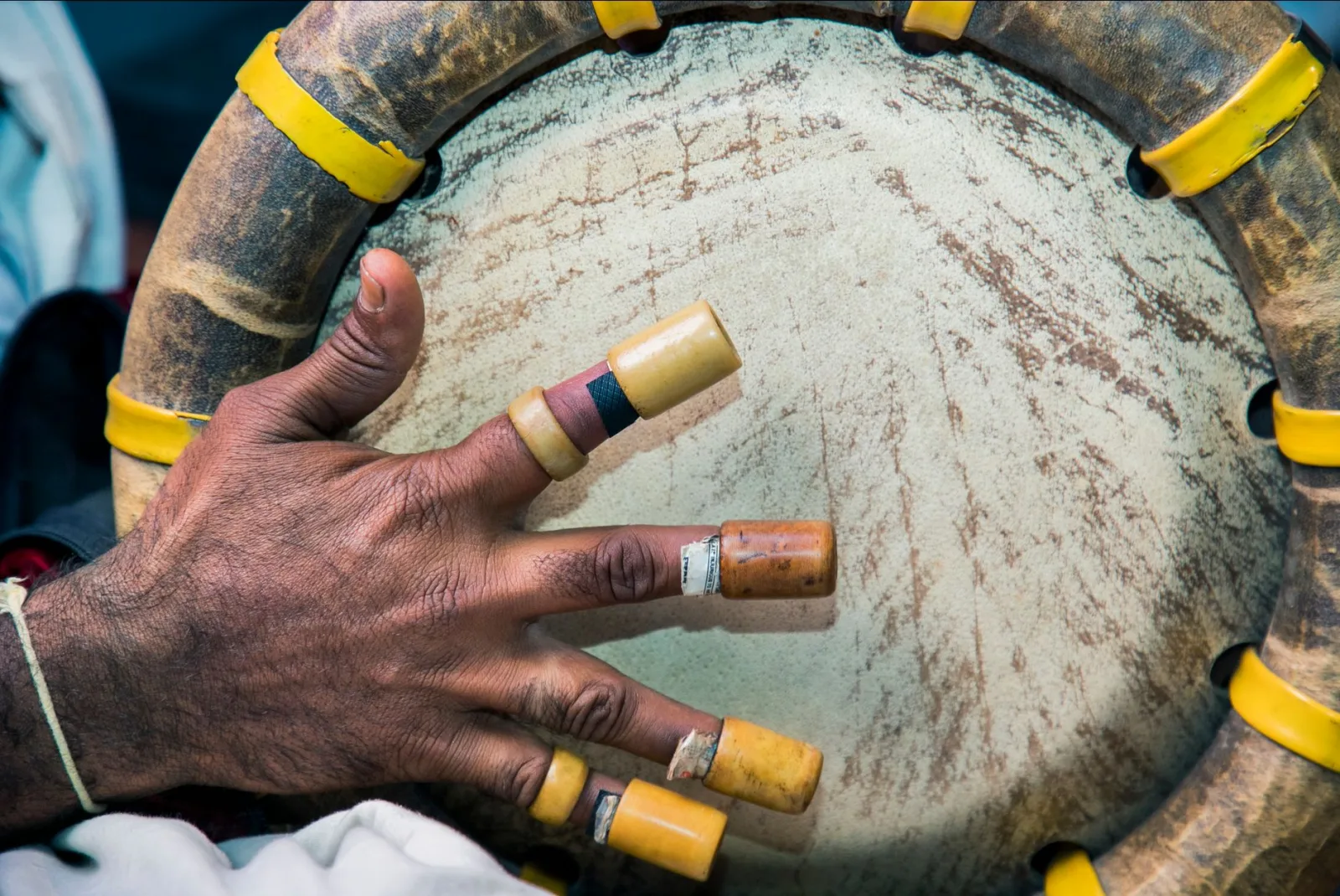
Local music forms the backbone of the soundscape in many Arabian Peninsula countries. For instance, the traditional oud and qanun are string instruments that have become synonymous with Middle Eastern music. These instruments produce melodies that are deeply embedded in cultural practices, often played during weddings, religious celebrations, and festivals.
Important note: When you travel, seek out local performances in markets or community gatherings. This not only supports local artists but also provides an authentic auditory experience.
2. Cultural Sounds Beyond Music
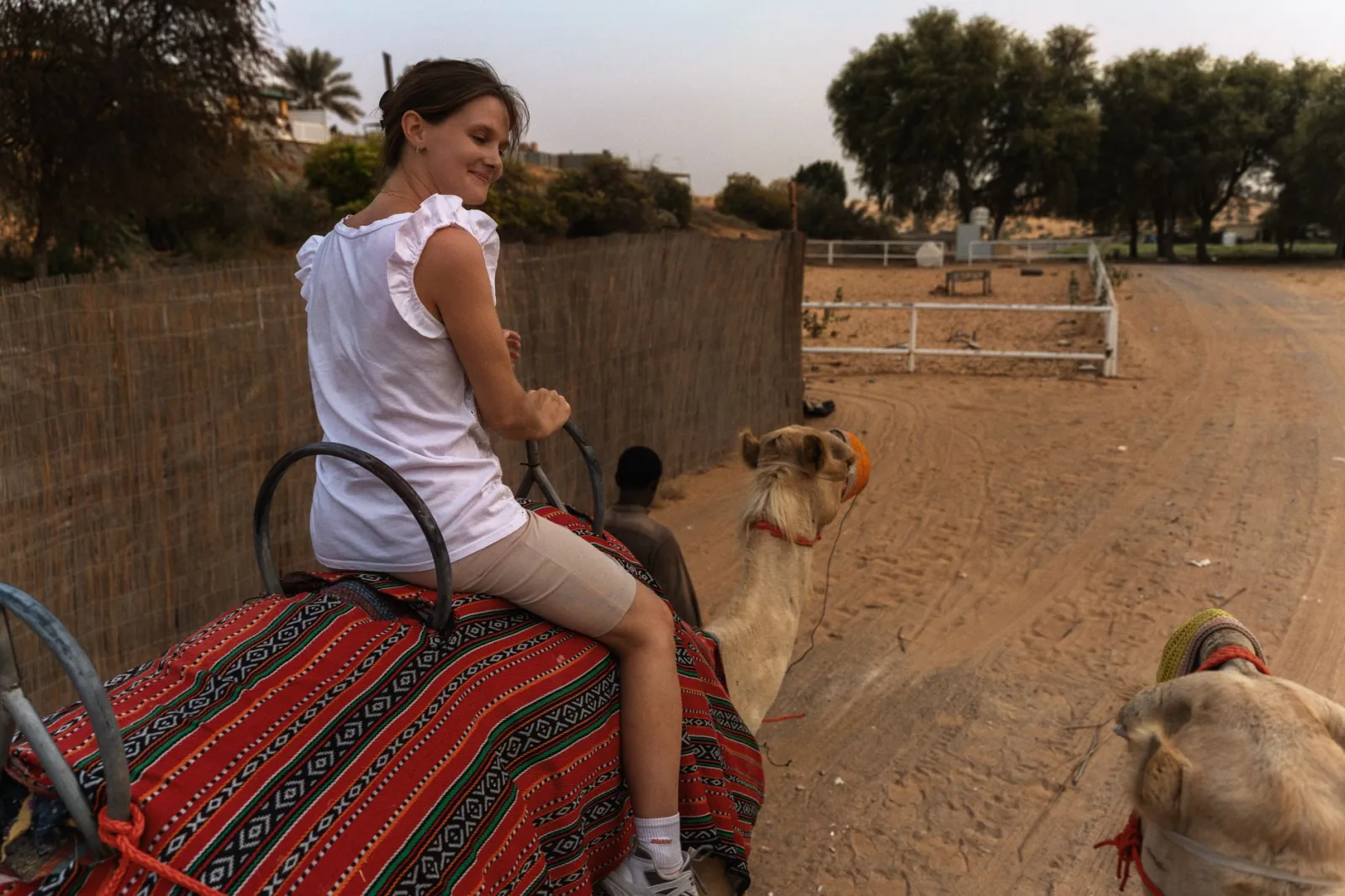
Sounds in the Arabian Peninsula extend beyond music. The calls to prayer, or adhan, resonate across the region, marking the time for daily prayers. This sound is a profound part of life for many locals, offering a sense of community and reflection. Additionally, the sounds of daily activities, such as merchants calling out in bustling souks, contribute to the vibrant soundscape.
To fully appreciate these sounds, visit local markets at peak hours. You’ll witness how sound interacts with the environment, creating an immersive experience.
3. Nature’s Soundscapes
The natural environment also plays a vital role in defining the soundscape of the Arabian Peninsula. The rustling of palm leaves in the wind, the lapping of waves along the coastline, or the echoing calls of desert wildlife add layers to the cultural sound experience. For example, in the Empty Quarter (Rub’ al Khali), the whistling sands create a haunting, ethereal sound that reflects the beauty of this vast desert.
Pro tip: Bring a recording device during your travels. Capturing these sounds can enhance your memories and allow you to revisit the auditory experience later.
4. Regional Variations in Sound
Each country in the Arabian Peninsula offers distinct soundscapes. In Oman, the khareef season introduces a symphony of rain and wildlife, while in the UAE, the mixture of traditional and modern sounds, such as the blending of local music with contemporary pop, showcases the nation’s evolving culture.
Common mistake: Underestimating the influence of regional dialects and languages on local sounds. Each area has unique expressions and phonetics that contribute to its soundscape.
5. Festivals and Events: A Melodic Experience
Cultural festivals play a significant role in showcasing the soundscapes of the Arabian Peninsula. Events like the Muscat Festival or the Abu Dhabi Festival feature traditional music, dance, and storytelling, immersing visitors in the local culture. These gatherings provide opportunities to hear everything from folk music to contemporary performances that reflect the region’s diversity.
Warning: Be mindful of festival dates. Research ahead to ensure you don’t miss out on these vibrant experiences!
6. Soundscapes as a Reflection of Identity
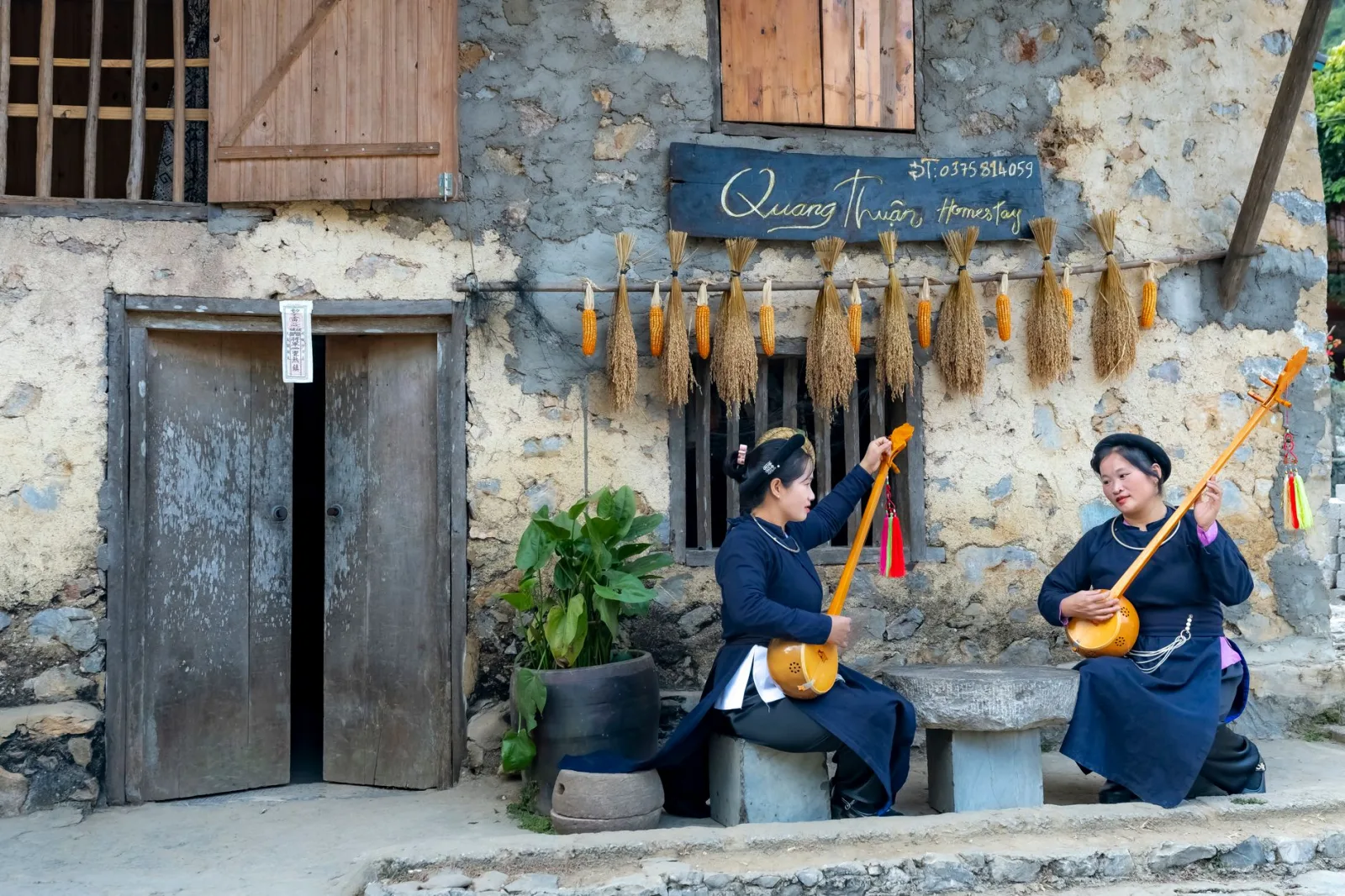
Soundscapes are often a reflection of the identity and heritage of a community. In the Arabian Peninsula, sounds tell stories of resilience, history, and cultural evolution. For example, the different styles of poetry recitation, known as nabati, not only convey artistic expression but also preserve oral histories and traditions.
To engage with this aspect of culture, consider attending poetry readings or storytelling events. This allows you to hear the sounds of identity in a powerful and personal way.
7. Engaging with Local Communities
To truly appreciate the hidden soundscapes, engage with local communities. Participate in workshops that teach traditional music or crafts. This hands-on experience offers deeper insight into the sounds that define the culture.
Additionally, volunteering or spending time in local neighborhoods can expose you to everyday sounds often overlooked by tourists. These interactions deepen your understanding and appreciation of the culture.
Conclusion: The Power of Sound in Travel
Exploring the hidden soundscapes of the Arabian Peninsula enriches your travel experience. By immersing yourself in local music, cultural sounds, and natural environments, you gain a deeper understanding of the region’s heritage and identity. Remember to engage with local communities and participate in cultural events to fully appreciate these unique auditory experiences.
Key takeaways: Hidden soundscapes are integral to understanding local culture. They encompass music, nature, and daily life, offering a multi-dimensional experience. Always be respectful, open-minded, and curious as you explore these sounds, and you’ll find that they enhance your journey in profound ways.