





Understanding Historical Villages
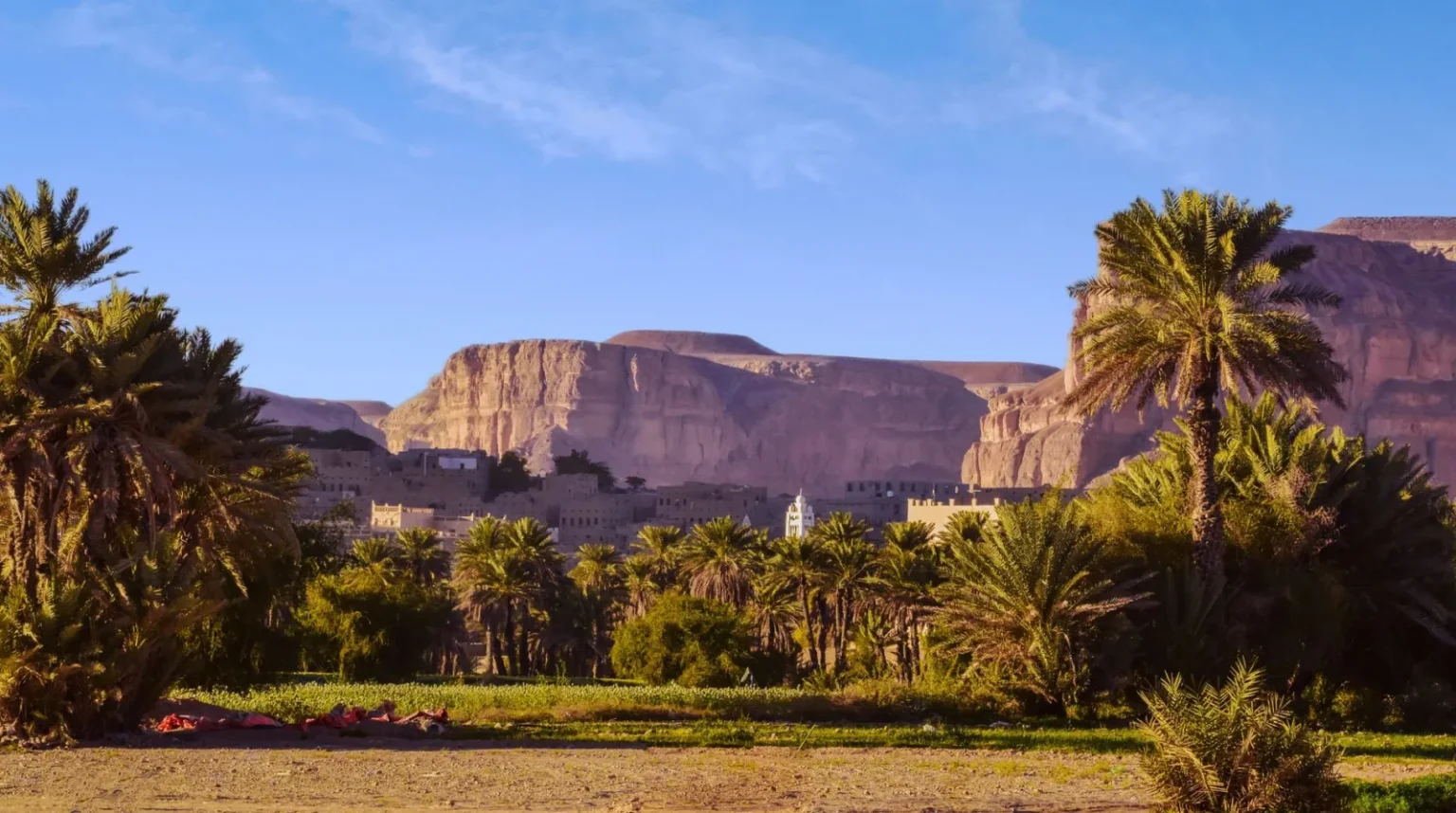
Historical villages are often defined as settlements that preserve the traditional way of life and cultural heritage of a region. In the Arabian Peninsula, these villages hold invaluable insights into the customs, architecture, and history of the area. They offer a glimpse into how communities have thrived in challenging environments, adapting their lifestyles while maintaining deep-rooted traditions.
- Understanding Historical Villages
- 1. The Allure of the Arabian Peninsula
- 2. Key Characteristics of Historical Villages
- 3. Notable Historical Villages to Explore
- 4. The Significance of Cultural Heritage
- 5. Practical Tips for Visiting Historical Villages
- 6. The Role of Technology in Preservation
- Conclusion: A Journey Worth Taking
1. The Allure of the Arabian Peninsula
The Arabian Peninsula is a region rich in history, known for its deserts, mountains, and coastal areas. It comprises several countries, including Saudi Arabia, Oman, the UAE, Qatar, Bahrain, and Kuwait. Each nation has its own unique historical villages that reflect the regional culture.
For example, in Saudi Arabia, the village of Al-Ula features rock formations and ancient tombs that date back thousands of years, highlighting the area’s significance as a crossroads for trade routes. Understanding the geography of this region helps you appreciate why historical villages developed where they did.
2. Key Characteristics of Historical Villages
When exploring historical villages, you’ll often notice a few common characteristics:
- Architectural Styles: Many villages feature traditional mud-brick homes, intricate designs, and communal areas, often built using local materials.
- Cultural Practices: Festivals, traditional crafts, and local cuisine offer insights into the daily lives of the residents.
- Preservation Efforts: Some villages are actively maintained to promote cultural heritage and attract visitors.
For instance, the village of Misfat al-Abriyeen in Oman showcases stunning terraced farming and ancient irrigation systems, demonstrating the ingenuity of its inhabitants.
3. Notable Historical Villages to Explore
Here are a few hidden historical villages across the Arabian Peninsula that you might consider for your next journey:
3.1 AlUla, Saudi Arabia
AlUla is a UNESCO World Heritage site that boasts stunning rock formations and ancient Nabatean tombs. The village is surrounded by sandstone cliffs and is home to the iconic Madain Saleh. You can explore the archaeological remnants and learn about the rich history that dates back to the 1st century AD.
3.2 Al Hamra, Oman
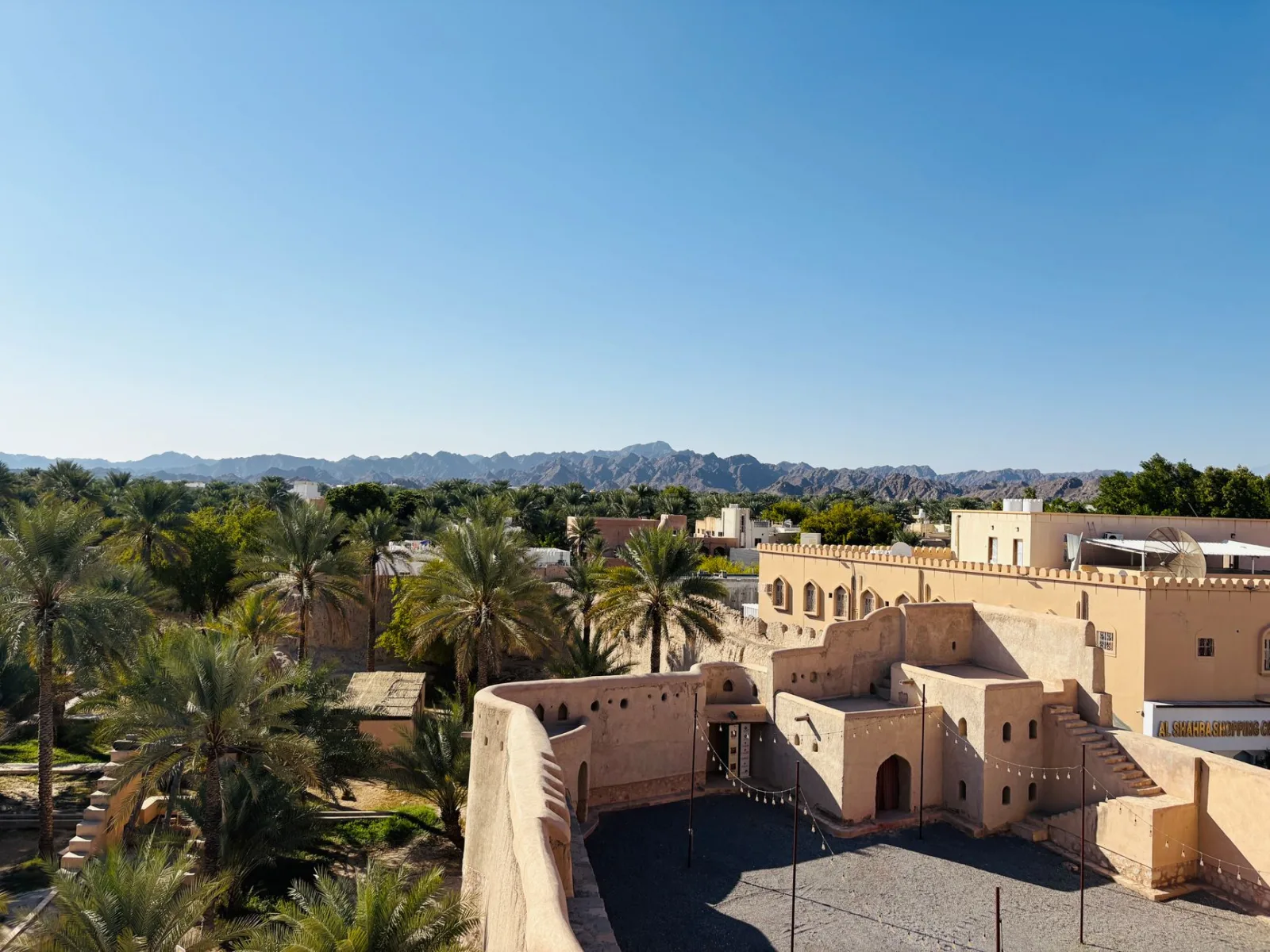
Al Hamra is known for its well-preserved mud houses, which offer a glimpse into traditional Omani architecture. You can walk through the narrow alleys and visit the local museum, which showcases the village’s history and culture. Important note: The village is a living community, so respect local customs while visiting.

3.3 Khasab, Oman
This village is nestled in the Musandam Peninsula and is famous for its fjord-like coastline. You can enjoy traditional dhow cruises and explore the surrounding mountainous landscape. Additionally, Khasab has historical forts that allow you to delve into the region’s past.
3.4 Al Ain, UAE
Al Ain, also known as the “Garden City,” is home to several historical sites, including the Al Jahili Fort and the Hili Archaeological Park. The area highlights traditional palm farming and Bedouin heritage, providing a layered understanding of Emirati culture.
3.5 Qasr Al Sarab, UAE
Located in the Liwa Desert, Qasr Al Sarab offers a blend of luxury and tradition. While not a traditional village, it’s an oasis that reflects the historical significance of the desert landscape. You can explore nearby ancient forts and learn about the desert’s role in the region’s history.
4. The Significance of Cultural Heritage
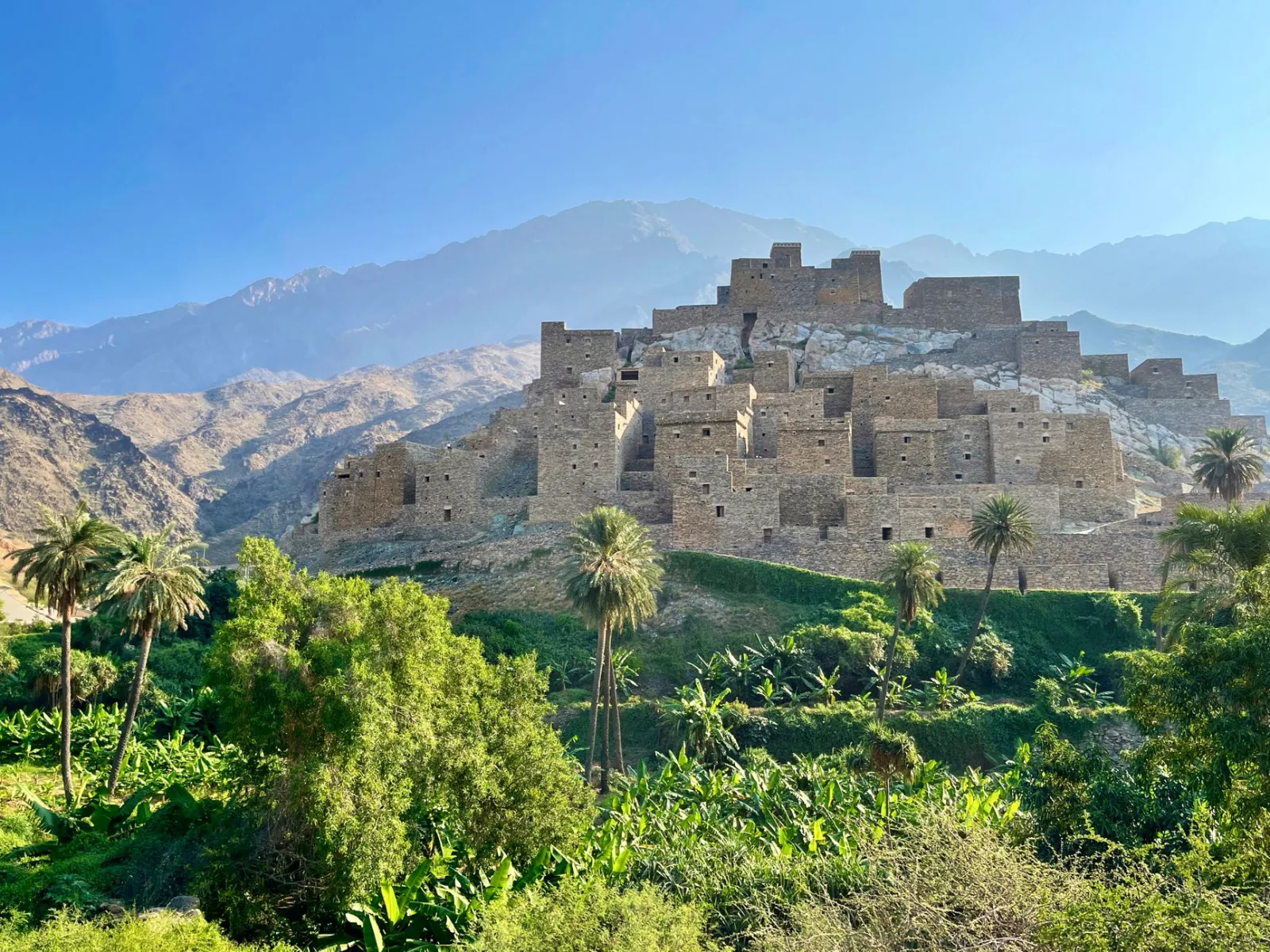
The preservation of these historical villages is essential for maintaining cultural heritage. They serve as living museums, showcasing traditional practices and fostering a sense of identity among local communities. In addition, visiting these sites contributes to sustainable tourism, allowing you to support local economies while gaining authentic experiences.
For example, in the village of Al Hamra, local artisans create traditional crafts that reflect their heritage. Pro tip: Engage with the artisans to understand their techniques and stories, enriching your visit.
5. Practical Tips for Visiting Historical Villages
When planning your visit to these hidden gems, keep the following tips in mind:
- Research Before You Go: Familiarize yourself with the history and customs of the village to enhance your understanding.
- Respect Local Customs: Always be mindful of local traditions and dress codes. In some areas, modest dress may be required.
- Engage with Locals: Take the time to talk with residents. Their stories can provide deeper insights into the village’s history.
- Support Local Businesses: Purchase handmade crafts or eat at local eateries to contribute to the community.
Warning: Some villages may not have modern amenities, so prepare accordingly. Carry sufficient water, food, and any necessary supplies.
6. The Role of Technology in Preservation
With advancements in technology, there are new ways to preserve historical villages. Digital archiving allows for the documentation of architectural styles and cultural practices. Virtual tours and online exhibitions can engage a global audience, increasing awareness of these hidden treasures.
In fact, some organizations are using augmented reality to bring historical narratives to life, allowing you to experience the past in innovative ways. Therefore, technology not only aids preservation but also enhances your visit.
Conclusion: A Journey Worth Taking
Exploring the hidden historical villages of the Arabian Peninsula offers a unique opportunity to connect with the past. Each village tells a story, reflecting the traditions and resilience of its community. Whether you find yourself in AlUla’s ancient tombs or Al Hamra’s winding alleys, you’ll gain insights into a rich cultural heritage that is often overlooked.
Key takeaways: Remember to respect local customs, engage with the community, and appreciate the unique stories each village has to tell. By doing so, you enrich your travel experience and contribute positively to the preservation of these hidden gems.
For more on exploring the cultural heritage of the Arabian Peninsula, consider reading about The Hidden Artisan Markets of the Arabian Peninsula or Discovering the Hidden Artisans of Saudi Arabia.